Why Augustus Muli and NLP are a better bet for Akamba than Kalonzo
For almost two decades, Ukambani has largely followed one political formula: remain loyal to one political leader, stay in opposition, and hope that loyalty will eventually be rewarded with development. But after years of following that path, many Akamba are asking a difficult question: Has this strategy delivered enough for our people? Drive from Athi […] The post Why Augustus Muli and NLP are a…
For nearly two decades, the people of Ukambani have followed a single political strategy: unwavering loyalty to a single leader, positioning themselves as opposition parties in the hopes that their support may eventually yield development. However, after years of adhering to this approach, many Akamba are questioning whether it has truly yielded meaningful benefits.
Traveling from Athi River to Mutomo reveals a persistent set of challenges, including water scarcity, inadequate infrastructure, and a lack of job opportunities. The Akamba have long been recognized as a politically loyal voting bloc, yet this loyalty alone has failed to generate significant investments in infrastructure, industries, irrigation projects, markets, and employment opportunities.
Perhaps the issue lies not in the people but in the strategy being employed. The political strategy driven by Kalonzo Musyoka has centered around the pursuit of national power through alliances and opposition politics. Supporters have had a glimmer of hope that a future Akamba presidency might be achievable through changing political landscapes.
However, history advises caution against relying on the assumption that another politician will be unable to hold office. The 2013 election serves as a stark reminder. While Uhuru Kenyatta and William Ruto faced international scrutiny during their campaign, they proceeded with their ticket, ultimately winning. This illustrates the risk of a political strategy that depends on the disadvantage of a rival.
As Kenya approaches the 2027 elections, former Deputy President Rigathi Gachagua has indicated that he maintains eligibility to contest the presidency despite ongoing legal proceedings. Ultimately, the courts and the Constitution will settle any legal uncertainties surrounding his eligibility. If the political calculation behind another Kalonzo presidency hinges on Gachagua being excluded from contention, Ukambani risks repeating the same strategic mistake.
The question should shift from "who are we supporting?" to "what are we gaining in return?" The cost of perpetual opposition is considerable. While remaining in opposition has its place in a democracy, prolonged marginalization carries its own consequences. For Ukambani to attract major investments in water, roads, irrigation, industry, and employment, its political leadership must possess the capability to negotiate effectively with whoever holds national power.
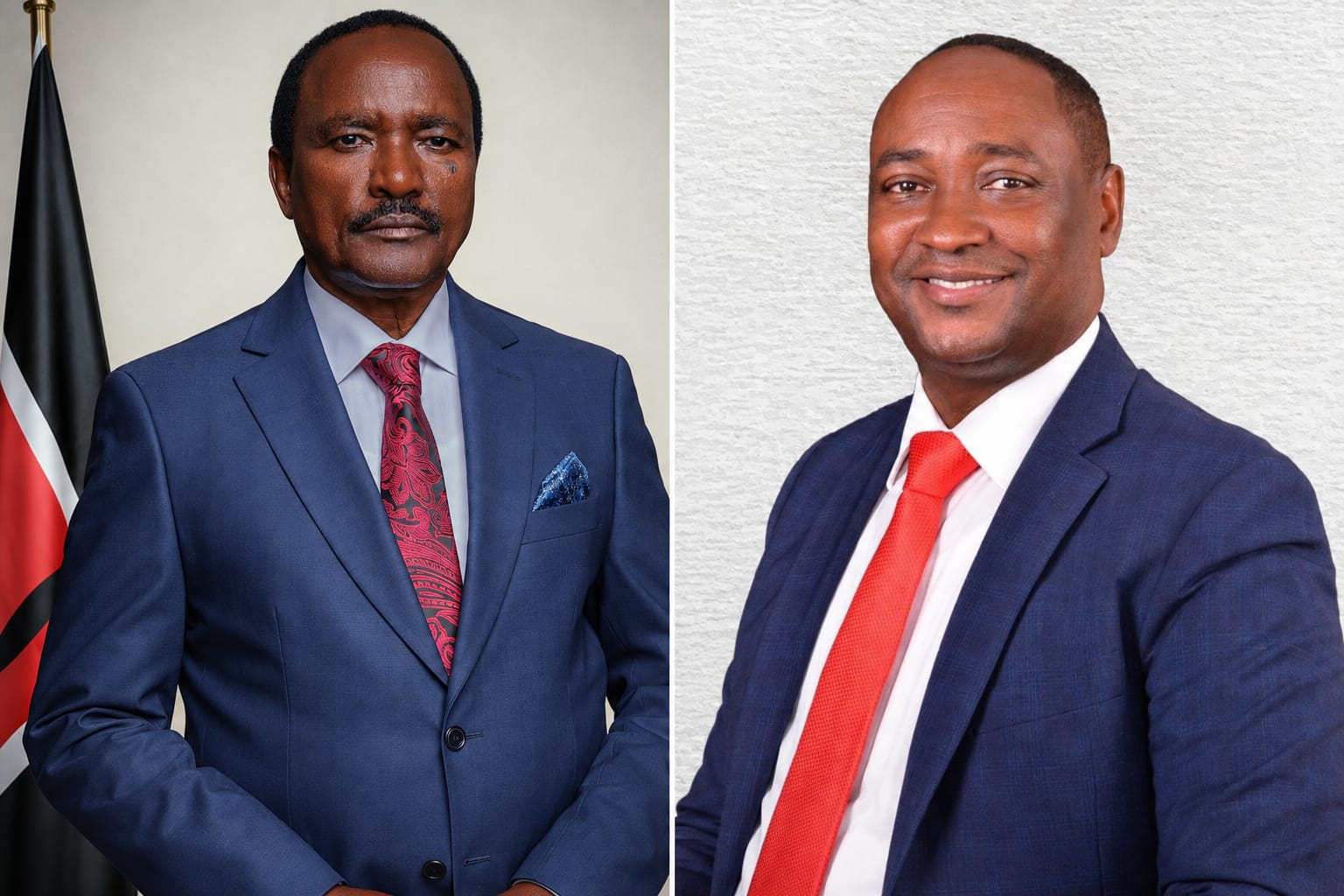
Development should not be a reward for political loyalty but rather the outcome of effective representation, strategic negotiation, and accountable leadership. The National Liberal Party (NLP), led by Dr. Augustus Kyalo Muli, presents an alternative proposition. Muli's strategy is grounded in a straightforward principle: Ukambani should actively bargain for its development priorities rather than merely offering political support and hoping for the best.
This involves creating a detailed, costed development agenda that encompasses water projects, roads, irrigation, agricultural value chains, industries, job creation, and market expansion. This agenda would serve as a concrete negotiating tool with any administration that seeks the Akamba's support, allowing voters to hold their leaders accountable.
Additionally, the NLP emphasizes the importance of being in the room – actively engaging with any political formation in power while retaining the ability to advocate firmly for the community's interests. Rather than perpetually opposing or offering unconditional support, the objective should be tangible results. To achieve this, Kitui, Machakos, and Makueni counties must be transformed through representation capable of influencing national budget decisions, infrastructure development, water resources, agriculture, investment, and employment.
The NLP's candidate, Dr. Augustus Kyalo Muli, hails from Kitui Central. A graduate of Starehe Boys' Centre and School and Kenyatta University, he holds an MBA from Dubai. As a businessman, Muli has forged connections between Kitui and the diaspora, aiming to translate those networks into opportunities for his community. Through the Kyalo Kya Maendeleo Foundation, he has spearheaded initiatives focused on education bursaries, water access, youth and women's empowerment.
Beyond politics and business, Muli identifies as a leader deeply rooted in Kamba culture, community values, and service. On October 3, he is set to be formally installed as Chief of the Anzauni clan, a role he believes will further enhance his ability to lobby for development and strengthen unity and cultural identity within the community.
Written by urgent.news from KBC's reporting — not their text. Machine-written — may contain errors; check the original before relying on it.