What remains of the last Neanderthals tell us about their demise
An isolated population of Neanderthals is shedding new light on their species’ final days. Palaeoanthropologist Ludovic Slimak takes us inside the cave where they lived and died
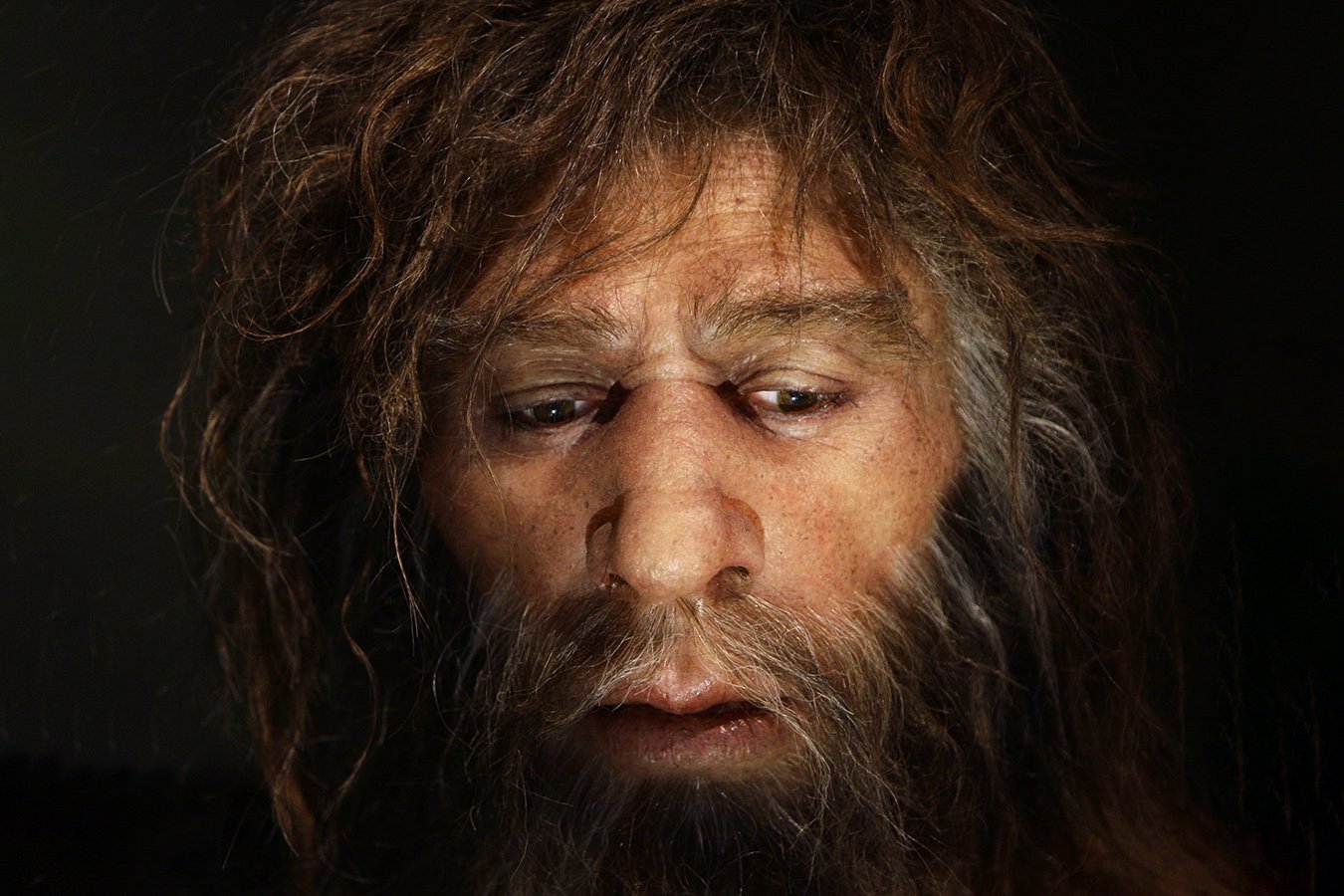
Grotte Mandrin, a small cave in France near the Rhône river, holds a unique record of the very last Neanderthals to have lived, thanks to the remarkable discoveries made by Ludovic Slimak over decades. This cave, frequented by both Neanderthals and early Homo sapiens for over 80,000 years, is littered with flint tools and fossilized bones, making it a time capsule of the lost society.
The scent of ancient BBQs still lingers on the cave walls, trapped in the layers of soot deposits, revealing the meals eaten by Neanderthals and Homo sapiens.
In 2015, Slimak discovered a remarkable Neanderthal fossil, Thorin, who lived around 42,000 years ago. Named after a dwarf character in J.R.R. Tolkien's The Hobbit, Thorin represents the end of the Neanderthal lineage and is one of the most complete series of Neanderthal teeth ever found. His remains were painstakingly excavated over 10 years, with only 31 teeth and fragments of the skull, mandible, and phalanges recovered so far.
Excavating Thorin's context is crucial to ensure no information is lost, as it provides valuable insights into the final moments of Neanderthal existence and their interactions with Homo sapiens.
Written by urgent.news from New Scientist's reporting — not their text. Machine-written — may contain errors; check the original before relying on it.