What is Article 142 that the Supreme Court used to quash FIRs against NEET protesters? | Explained
How expansive is the power it gives the Supreme Court? What are the limits?
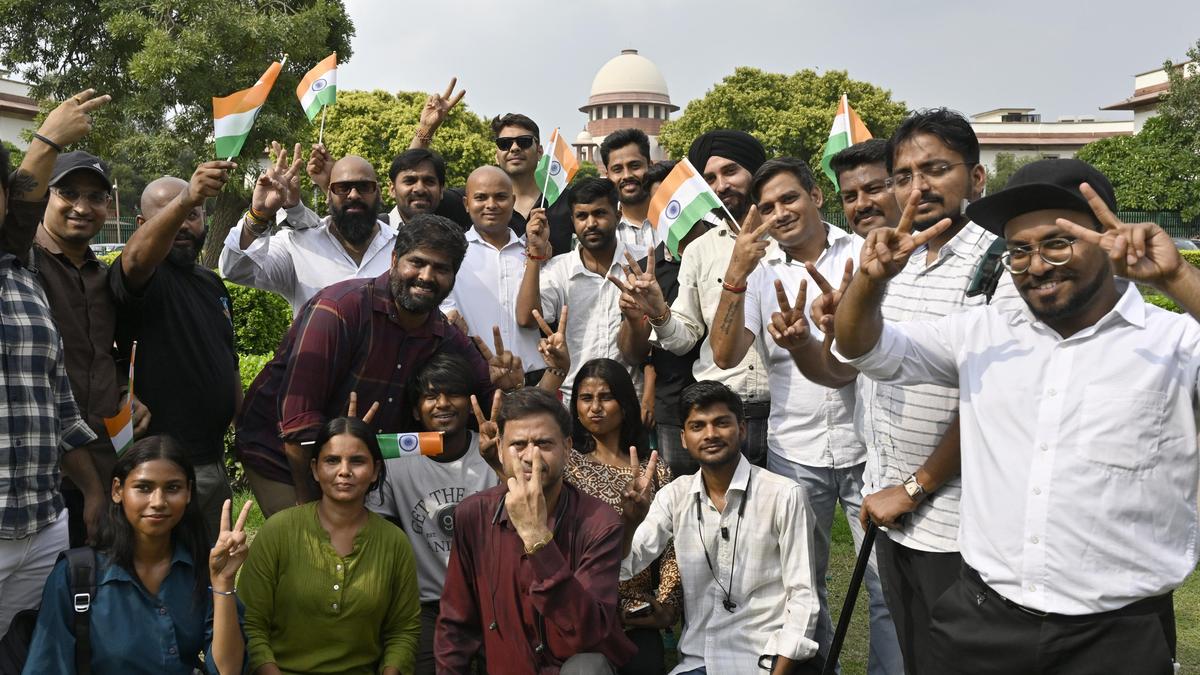
On September 1, 2026, the Supreme Court took a bold action to dismiss criminal cases filed against young protesters who participated in nationwide protests related to the NEET-UG 2026 question paper leak. This unprecedented move was made by a three-judge Bench led by Chief Justice of India Surya Kant, who employed Article 142 of the Constitution.
Article 142 grants the Supreme Court the power to do "complete justice" in any case that comes before it. In this instance, Chief Justice Surya Kant utilized this extraordinary authority to ensure that the FIRs (First Information Reports) against the Gen Z protesters would not be investigated further and would be closed out. This decision was made to protect the protesters and maintain the integrity of the ongoing protests linked to the Cockroach Janta Party (CJP).
The court's action came in response to the leak of the NEET-UG 2026 question paper, which sparked widespread outrage and protests across the country. The protesters, primarily young individuals between the ages of 18 and 25, were subsequently arrested and charged with criminal offenses related to their involvement in the demonstrations.
By employing Article 142, the Supreme Court demonstrated its willingness to take swift and decisive action to address the concerns of the protesters. The decision to quash the FIRs and close the cases for all practical purposes reflects the court's commitment to ensuring justice and upholding the rights of individuals, even in the face of a high-profile and politically sensitive case.
Written by urgent.news from The Hindu's reporting — not their text. Machine-written — may contain errors; check the original before relying on it.
This story
This is one outlet's version. Read the fullest account.