Wall Street's Scariest Seasonal Pattern Returns in September. Should AI Stock Investors Be Worried?
Key PointsStretched AI valuations, heavy concentration, leverage, and circular financing are the real risks in September.
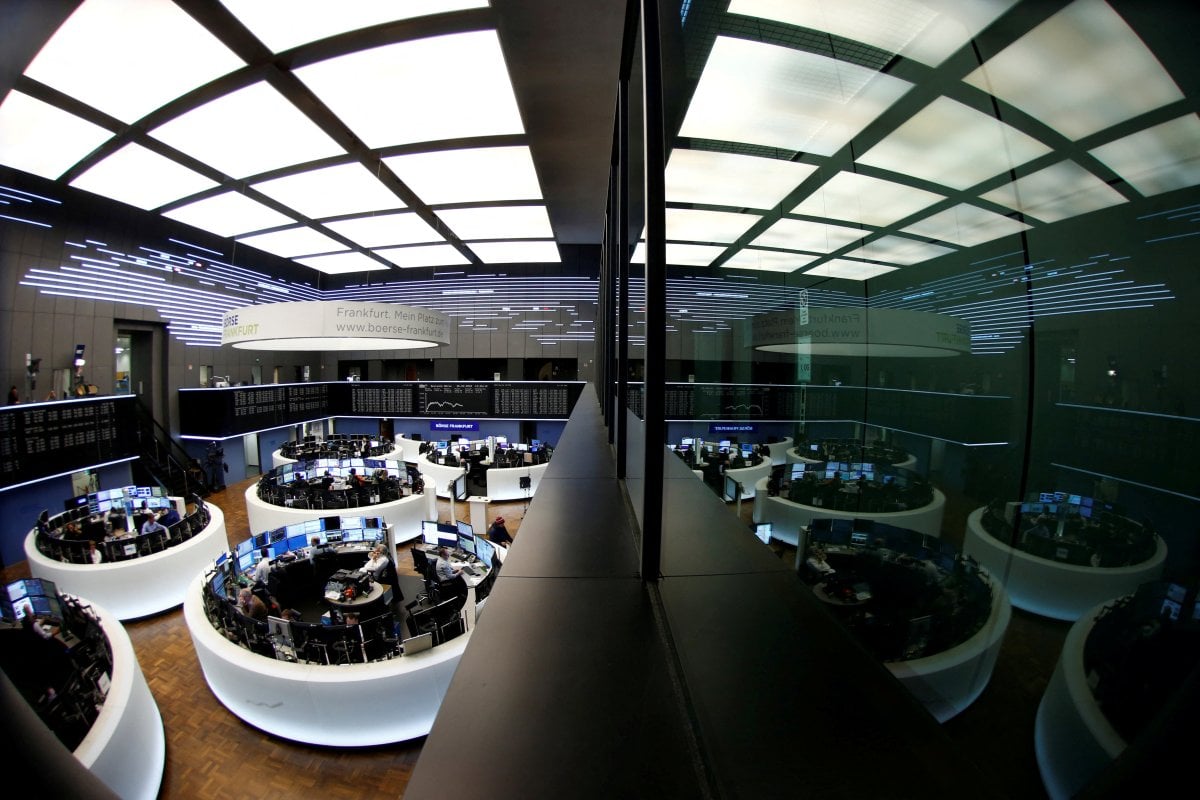
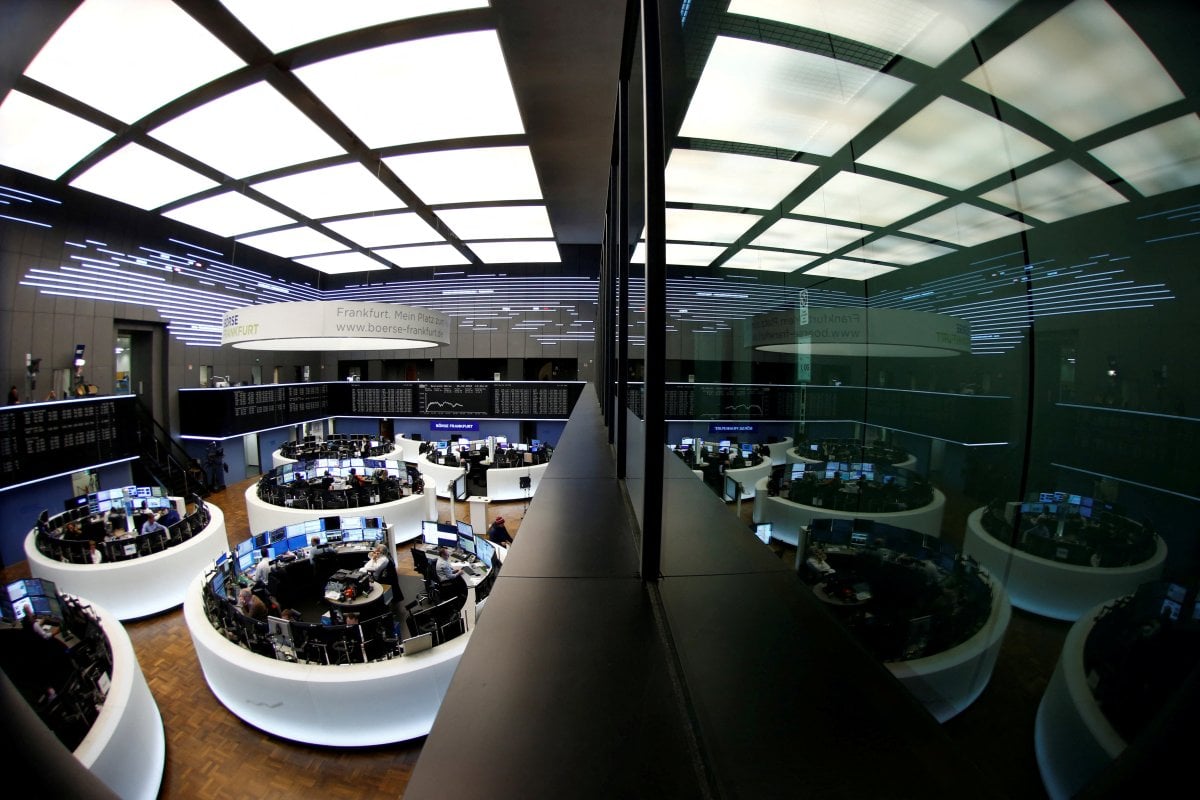
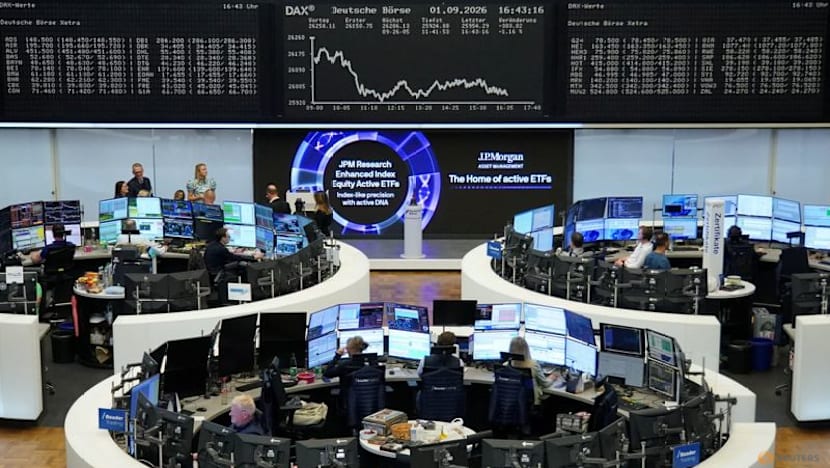
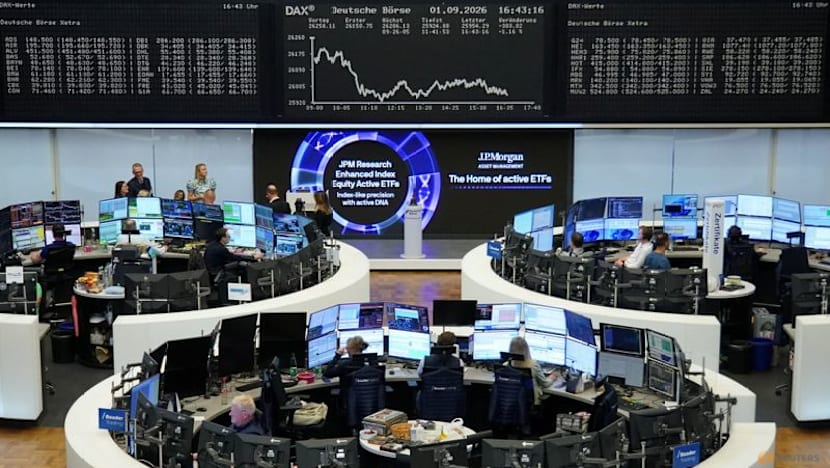
Wall Street has a particularly concerning seasonal pattern that emerges in September, raising concerns for investors who have placed their faith in AI stocks. Rather than attributing the market's poor performance to the calendar, the real worry lies in how a market that relies heavily on artificial intelligence spending, leverage, and a select group of major companies must now demonstrate the validity of these expectations.
September stands out as the only month with a consistently negative long-run average return; since 1928, the S&P 500 has dropped an average of 1.2% during this month, surpassing all other months in decline.
Since 1950, the S&P 500 has only managed to finish the month on a positive note 44% of the time, making September the month below a coin flip. Nine out of the 40 worst monthly losses in market history have occurred in September, more than any other month. Things have only gotten more dire in recent years, with four out of the past five Septembers seeing the market decline by an average of 4.2%, more than triple the long-term average decrease. When September closes out on a loss, the average loss stands at 3.8%.
However, there is a slightly optimistic caveat to consider: if we exclude a few outlier years, September still manages to produce a positive return more than half the time. One useful filter to assess this seasonality is to observe the index's position relative to its 200-day moving average as September begins. If the index is above this moving average at the start of September, the average return for the month turns positive, with 1.3% being the average return and 60% of occurrences resulting in gains.
Written by urgent.news from Motley Fool's reporting — not their text. Machine-written — may contain errors; check the original before relying on it.
This story
This is one outlet's version. Read the fullest account.