Vom Asphalt nur Natur: Alte A 4 in Thüringen: Wandern, wo einst Autos rasten
Eine Region erfindet sich neu: Wo sich früher Autokolonnen durch die Hörselberge bei Eisenach schoben, entstehen gerade sieben Wanderwege. Schon heute ist die Gegend reizvoll. Und sagenhaft.
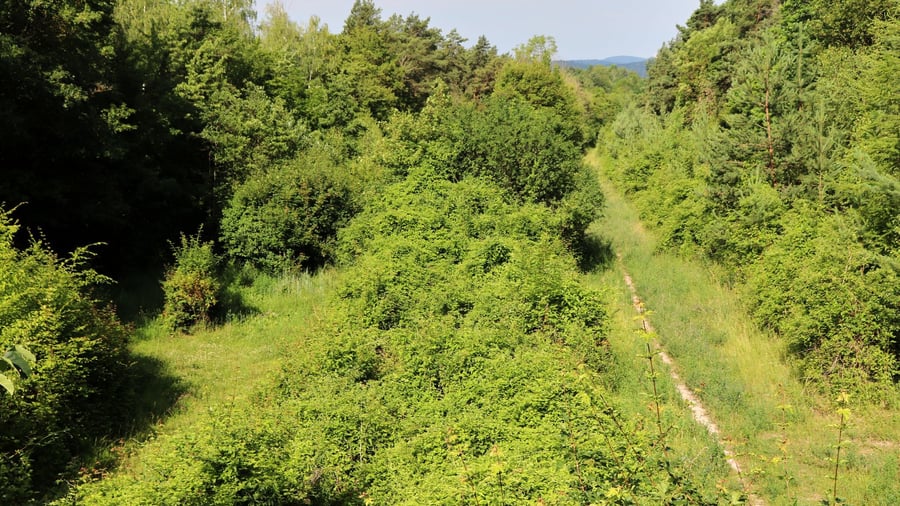
In the Thüringen region, the asphalt is gradually being replaced by nature, inviting hikers to explore the Hörselbergen. The once bustling roadways now give way to a serene landscape, with bees, hummingbirds, and dragonflies buzzing around. Where once heavy trucks and endless metal boxes filled the air, nature's symphony now plays.
Birds sing, butterflies flutter, and a delicate moth blends seamlessly into the barren ground and calcified debris. The terrain may still bear the scars of heavy concrete plates and traffic, but change is on the horizon.
At the end of 2010, the A4 section was closed, and the road was dismantled, returning the traffic to a new route beyond the mountains. However, the A4 will soon be reopened as a premium hiking trail, "PWW2," adorned with blue signs and a dedicated "Zubringer," a former delay strip at the Kleiner Hörselberg parking lot. The former rest area still operates on weekends and holidays, though with limited hours.
Sylvia Grasreiner, the coordinator of the "Sagenhafte Hörselberge" project, describes the situation: "It's unpredictable; on a beautiful day, you don't have enough glasses, and then there are days with nothing." The restored hiking trail, along with six other premium trails, aims to generate attraction and guide visitors. The former Autobahn track, now reclaimed, shows remnants of heavy concrete plates and wartime traffic, but is gradually being reclaimed by nature.
The only sign of past human activity is the occasional sighting of a solitary hiker. The hike, once a bustling thoroughfare, is now a tranquil path, with nature reclaiming the space once occupied by vehicles. The dense greenery absorbs the noise of the nearby highway, offering a peaceful view of Wutha-Farnroda and the plain that once accommodated the eastbound traffic.
As the path winds through the dense forest, it becomes increasingly narrow and the nature more unspoiled. Amidst towering pines, birches, and oaks, the once bustling track leads to a wild landscape. The A4, once a symbol of human ingenuity, now stands as a silent reminder of progress, while the A4's aftermath has transformed into a thriving ecosystem. The landscape, once deemed "sagenhaft" (remarkable) by the mighty Richard Wagner, draws tourists eager to experience the natural beauty of the Hörselbergen.
Written by urgent.news from Handelsblatt's reporting — not their text. Machine-written — may contain errors; check the original before relying on it.
This story
This is one outlet's version. Read the fullest account.
- Thüringen: Vom Asphalt zur Natur: Wandern in den Hörselbergen handelsblatt.com