Visiting Helen Keller’s Birthplace While Deaf: What it Means to Navigate Accessibility
On a sticky Saturday morning in July, I stepped out of the air-conditioned car, and the Alabama summer hit me like a wet blanket. The brick pathway at my feet passed through a small ornamental fence, crossed some scrubby grass,
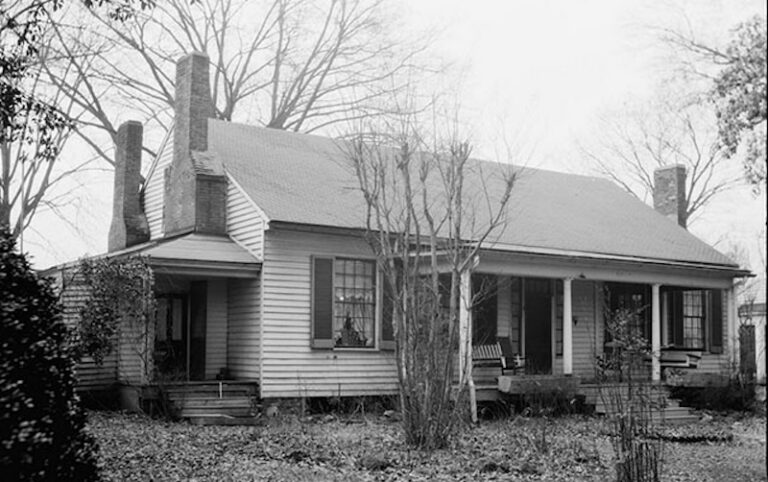
On a hot July Saturday, I arrived at the small brick house near the Tennessee River in Tuscumbia, Alabama. We were there to see the Helen Keller Birthplace, part of a road trip that included visits to civil rights landmarks in Birmingham and Montgomery. The house was modest, with green shutters, a white-painted exterior, and two chimneys framing a shingled roof.
It was not the grand monument I had expected. At the front entrance, a sign hinted at the site's preservation, but it did little to convey its significance to a deaf visitor.
The house was not designed with accessibility in mind. My hearing companion questioned why there was no ASL interpreter for the tour, and the lady at the front desk dismissed the idea with a condescending "I know they should," but "they understand this house as a shrine to overcoming disability." She refused to provide an interpreter, leaving us to grapple with the lack of accommodations. I reflected on the contradictions between my idealism and the realities of accessibility.
As we wandered through the house, I noticed the photos and braille books behind glass, creating a barrier between the visitor and the history. The lady leading the tour spoke about Helen Keller's life, but her focus was on the romanticized image of the deaf woman rather than the complexities of her experiences. The tour group, composed of hearing, sighted individuals, seemed to be engrossed in the story, missing the opportunity to connect with the real Helen Keller.
The visit to the Helen Keller Birthplace was a reminder of the challenges faced by disabled individuals in navigating a world that often prioritizes myths and symbols over reality. It sparked a conversation about how cultural myths can obscure the true experiences of those who have been marginalized. I left the house with a sense of disappointment, but also a desire to learn more about the forces that shape our understanding of disability history.
Written by urgent.news from Literary Hub's reporting — not their text. Machine-written — may contain errors; check the original before relying on it.