US Envoy Courts Central Asia on Sidelines of SCO Summit
Two high-level US Trump administration emissaries crashed the Shanghai Cooperation Organization summit in the Kyrgyz capital Bishkek, holding talks with top Central Asian leaders and disrupting any appearance of unity among the gathering’s attendees. Leading participants in the SCO summit, including top officials from China, Russia and Iran, sought to strengthen what amounts to an anti-US…
Two high-ranking emissaries from the US Trump administration made an uninvited appearance at the Shanghai Cooperation Organization (SCO) summit in Bishkek, Kyrgyzstan. They met separately with presidents of Kyrgyzstan, Tajikistan, and Uzbekistan, despite not being invited or participating in any SCO events. This unexpected visit disrupted the expected unity among the SCO summit attendees, who primarily included top officials from China, Russia, and Iran.
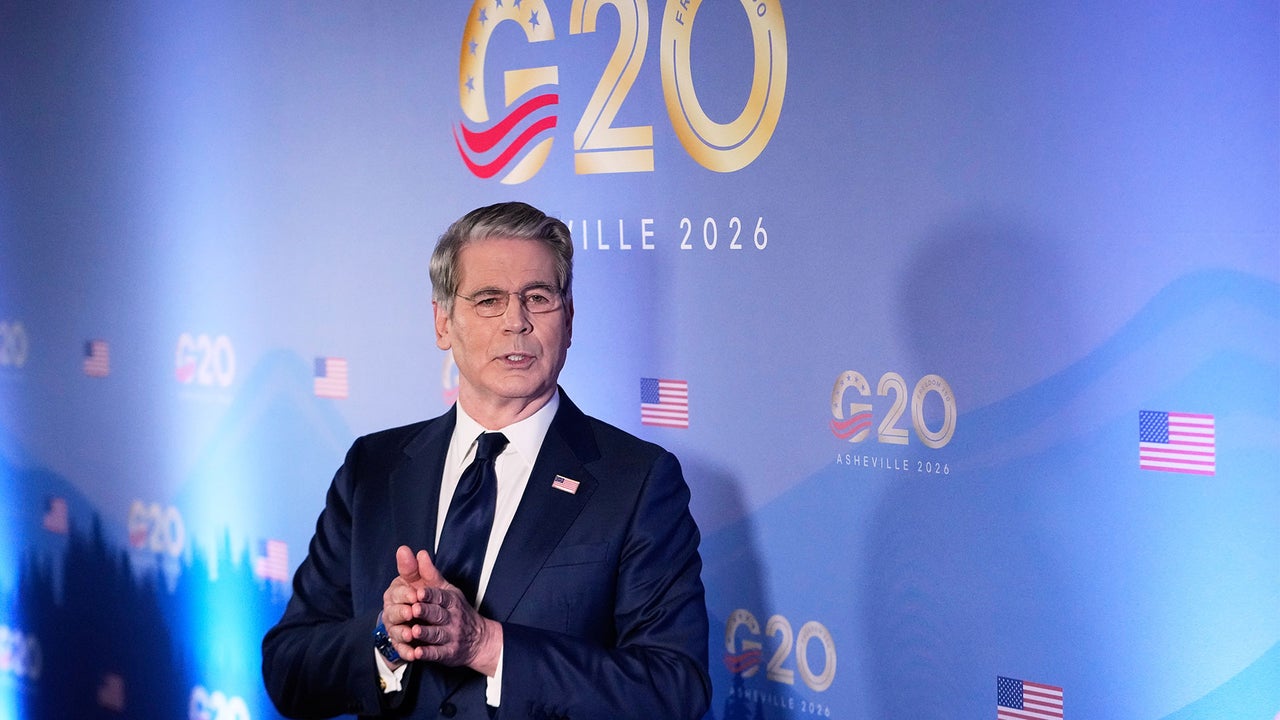
The Iranian President, Masoud Pezeshkian, pushed for a plan to "de-dollarize" the global economy during the summit. The SCO summiteers adopted a communique on September 1, criticizing the United States for its military and economic campaign against Iran, alleging violations of international law and the UN Charter. On the same day, US Special Envoy Sergio Gor, accompanied by retiring Republican Senator Steve Daines, arrived in Bishkek.
They held meetings with the leaders of Kyrgyzstan, Tajikistan, and Uzbekistan, despite not being part of any SCO proceedings. Uzbek President Shavkat Mirziyoyev's press service issued a statement praising US-Uzbek relations, highlighting the positive momentum in political dialogue, inter-parliamentary, and inter-regional contacts, as well as the expansion of trade, economic, and investment cooperation.
The statement also emphasized Uzbek government attention to preparations for US-Uzbekistan cooperation initiatives within the C51 format and the upcoming meeting of the US-Uzbekistan Business and Investment Council.
Written by urgent.news from OilPrice's reporting — not their text. Machine-written — may contain errors; check the original before relying on it.