UN warns world will breach critical 1.5°C warming limit within years
The UN said on Wednesday that the world was set to breach the warming threshold of 1.5°C above pre-industrial levels, agreed to under the 2015 Paris climate accord, within the next few years. It warned that governments must now work to limit the rise and bring temperatures back down. In an assessment drawing on the work of dozens of scientists, the UN Environment Programme said global action to…
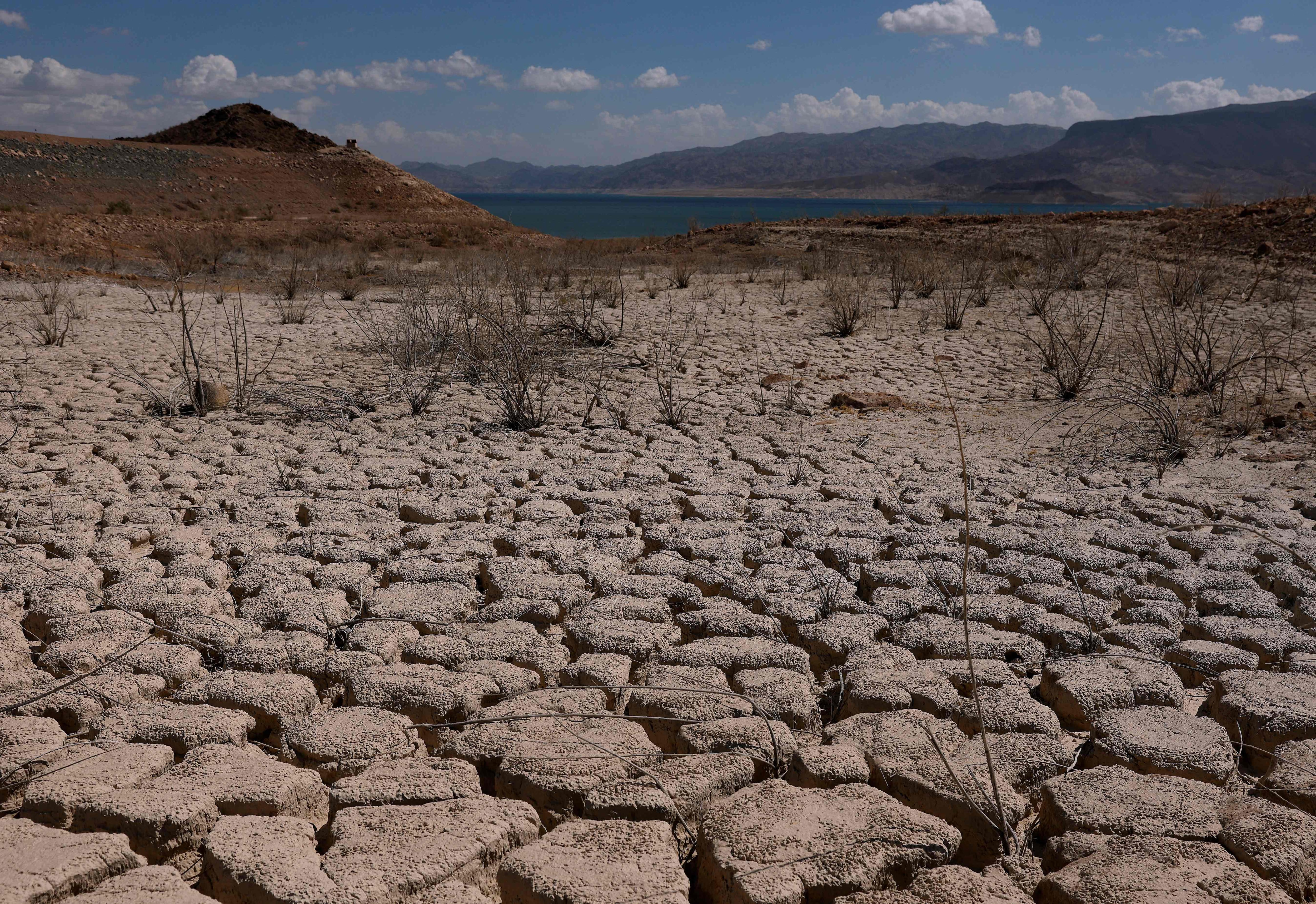
The United Nations has warned that the world is on track to exceed the 1.5°C warming limit set by the 2015 Paris climate accord within the next few years. The UN Environment Programme (UNEP) released an assessment based on the work of numerous scientists, stating that governments must now work to limit further warming and bring temperatures down.
However, global efforts to curb greenhouse gas emissions have been insufficient, heightening the risks of extreme weather, rising sea levels, and ecosystem loss, according to UNEP Executive Director Inger Andersen. She emphasized that the world is already witnessing the consequences of inaction, with extreme heatwaves illustrating that climate impacts will intensify, leading to more severe consequences for human health, food and water security, urban life, and infrastructure.
Andersen warned that surpassing the 1.5°C threshold would result in more extreme weather, glacier melting, ecosystem loss, and sea-level rise, placing additional pressure on various aspects of human existence. While it remains possible to keep temperatures below this threshold, achieving this goal is fraught with uncertainty. Under the most optimistic scenario, temperatures would peak at approximately 1.8°C before potentially falling back to 1.5°C later in the century.
To accomplish this, significant reductions in greenhouse gas emissions, coupled with large-scale carbon dioxide removal through measures such as reforestation and direct carbon extraction from the atmosphere, would be necessary. Andersen highlighted the need for greater commitment from nations with higher emissions, noting that renewable energy costs are now lower than those of fossil fuels.
However, she stressed that the pace of change is not swift enough, warning that surpassing 1.8°C would make returning to 1.5°C highly challenging, with potentially catastrophic impacts on humanity. UN Secretary-General Antonio Guterres had previously stated that global temperatures were expected to temporarily rise above the 1.5°C mark compared to pre-industrial levels.
Written by urgent.news from The National UAE's reporting — not their text. Machine-written — may contain errors; check the original before relying on it.
This story
This is one outlet's version. Read the fullest account.
- UN warns world will breach critical 1.5°C warming limit within years thenationalnews.com
- World Set To Breach 1.5°C Warming Limit, But Route Back Remains Open: UN Report freepressjournal.in