Uday Kotak warns of 'roller coaster' ride in interest rate markets
Japan’s 10-year bond yield crossing 3% and rising US yields are raising concerns over tighter global liquidity, higher inflation and interest rates. Veteran banker Uday Kotak warned that central banks may have to expand their balance sheets, potentially pushing short-term rates higher and making global interest-rate markets more volatile.
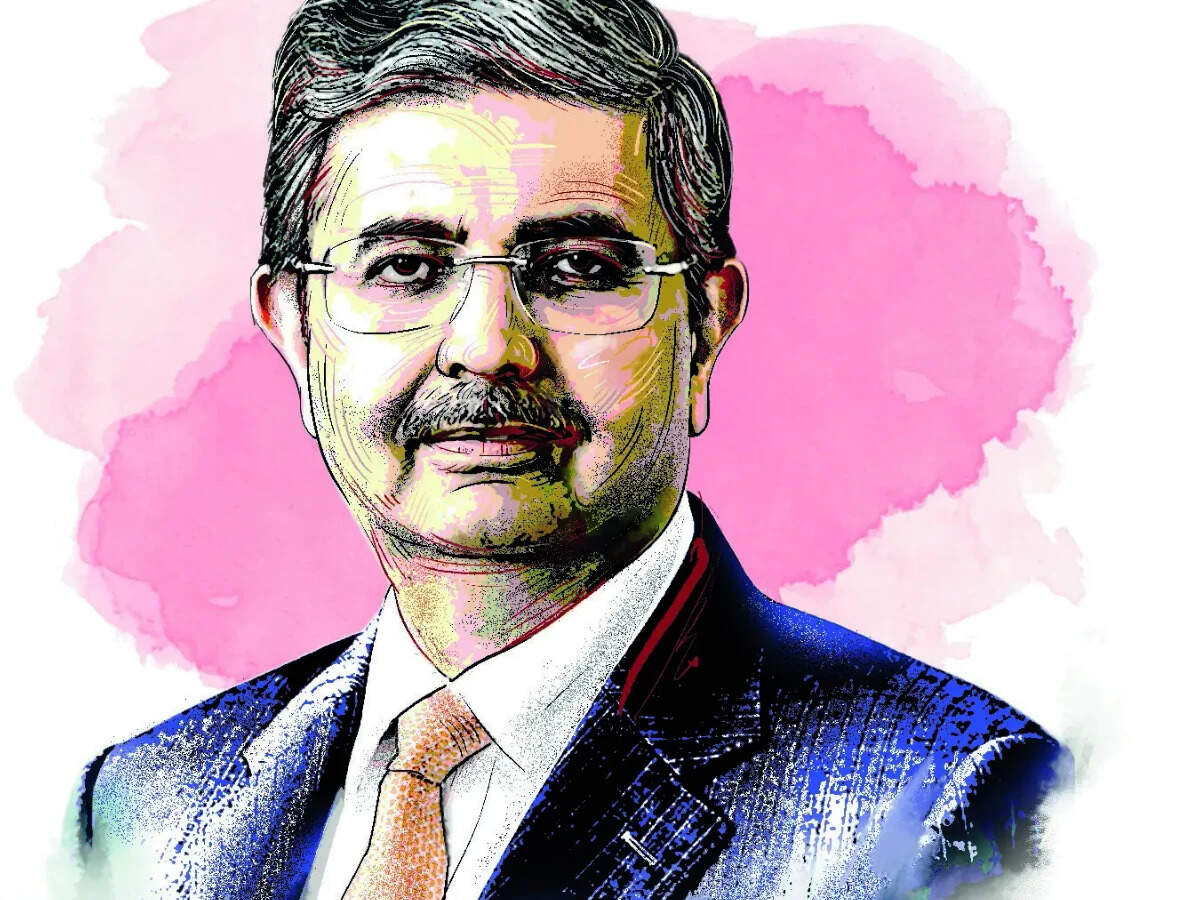
Uday Kotak, a veteran banker, has cautioned that interest rate markets may experience a turbulent journey in the coming days. This warning comes as Japan's 10-year bond yield recently surpassed the 3% mark for the first time since 1996, while the US 10-year yield edged close to 4.8%. The surge in global bond yields, driven by rising government debt and fiscal deficits, has sparked concerns about potential inflation and higher interest rates.
In a post on social media platform X, Kotak stated, "As their government debt and deficits go up, central banks may have no option but to expand balance sheets (print money)." He elaborated that if central banks indeed start printing more money, inflation is likely to rise, short-term rates will follow suit, and a roller coaster ride in interest rate markets awaits.
Kotak's warning is particularly relevant for India, as rising bond yields across major markets, coupled with high crude oil prices and ongoing tensions in the Middle East, could further tighten global liquidity and elevate inflation risks.
Analysts believe that Japan's significant role as a global pool of savings is becoming less pronounced. With Japan's 10-year yield at 3%, it is more indicative of a normalization of interest rates rather than an impending crisis. However, the gradual decline in Japan's demand for foreign bonds could lead to increased global bond yields, making emerging markets like India less attractive for foreign investors.
This shift may result in higher domestic bond yields, putting pressure on the Indian rupee and potentially impacting stock valuation multiples.
Written by urgent.news from The Economic Times - Economy's reporting — not their text. Machine-written — may contain errors; check the original before relying on it.
This story
This is one outlet's version. Read the fullest account.
- Uday Kotak sees GDP resilience, warns India not to lower guard economictimes.indiatimes.com