Trump Wants Big Oil to Build More Refineries. That’s a Tough Sell.
Owning an oil refinery is a profitable proposition in the U.S. Building a new one? Not so much.

On Tuesday, President Trump called on oil executives to construct more refineries to lower gasoline prices ahead of the November midterms. However, building new refineries presents a significant challenge. In the United States, running a profitable refinery is currently feasible, but constructing a new one is not. The reasons behind this paradox shed light on why U.S. refineries, despite making record profits, have no plans to expand their fleet. The oil industry anticipates that the boom will not endure.
During the meeting, Trump and oil executives explored alternative methods to augment the nation's refining capacity. These included reducing regulations, expediting the permitting process, and making further investments. A White House official confirmed that the president seeks lower gas prices at the pump for Americans, and the refiners and distributors share this objective.
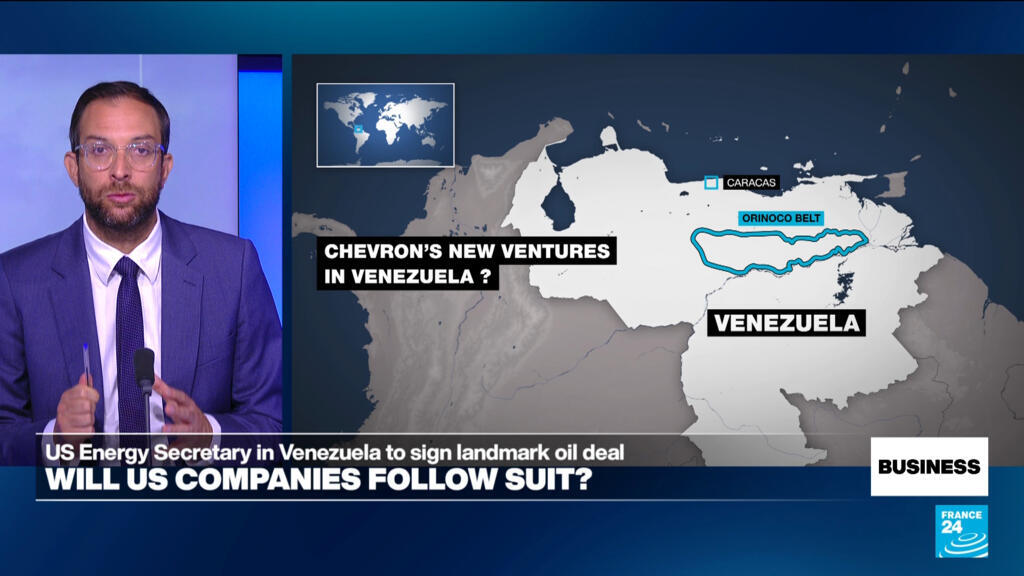
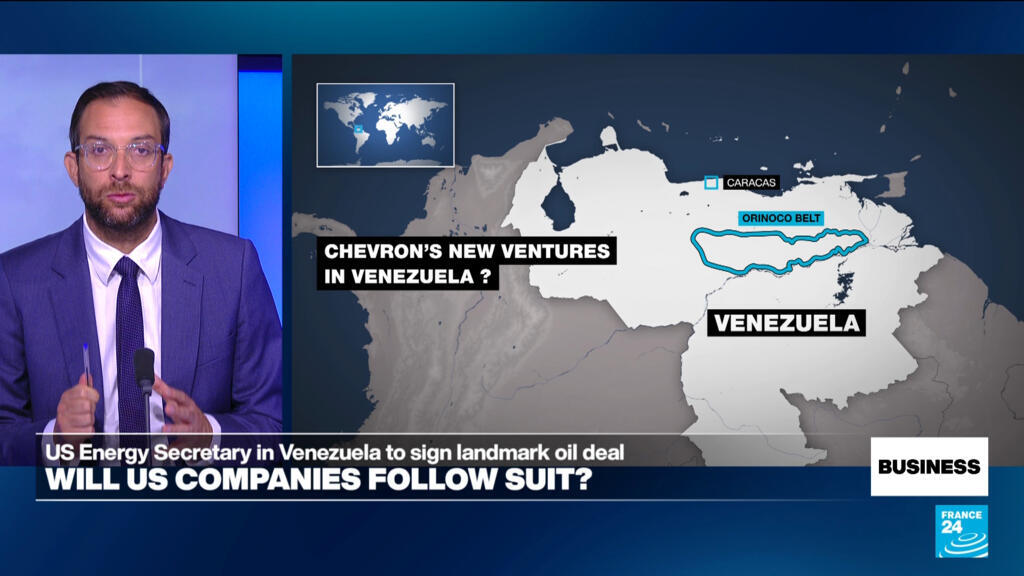
Among the attendees were executives from Chevron, Valero Energy, Marathon Petroleum, and PBF Energy. ExxonMobil, the nation's third-largest refiner, did not send a representative. Some companies initially hesitated to attend due to Trump's recent criticisms of the industry for not swiftly reducing gasoline prices. The average price of gasoline at the pump on Tuesday was $4.10, up from $2.98 at the beginning of the Iran conflict.
The primary driver of higher fuel prices, beyond the control of the president and his favored industry, is the supply crunch for diesel, jet fuel, and gasoline.
U.S. refineries have been operating at over 97% capacity in recent weeks, nearing their highest rate in nearly eight years. Darren Woods, CEO of Exxon, informed investors in late July that the refining challenge is likely to persist for a while. Some companies are deferring routine maintenance to capitalize on high margins for diesel and other fuels.
The "crack spread," the difference refiners make by purchasing crude and selling fuel, reached a record above $100 a barrel for diesel, contributing to the industry's strong bottom line.
Despite record margins, building new refineries is not economically viable. It would require a substantial investment of billions of dollars and several years of construction. The industry forecasts that the energy market will stabilize before then. Instead, companies have focused on expanding and updating existing facilities.
The United States has been dismantling refineries for decades, now possessing 128 fewer than in 1982. The most recent one was completed in 1977; roughly a quarter were constructed over a century ago. Establishing new refineries poses substantial hurdles, such as obtaining numerous permits from federal, state, and local governments.
The oil industry has been striving to persuade Congress to reform the permitting process for pipelines and other energy infrastructure for years. Gasoline demand is expected to decline over the long term as drivers adopt electric vehicles and more fuel-efficient engines. Analysts estimate that oil companies could add 400,000 barrels a day of refining capacity by enhancing their facilities in Texas, Louisiana, and other Gulf Coast states over the next two decades.
However, analysts doubt that new projects can be launched. In March, Trump stated that a startup named America First Refining would build the first new U.S. oil refinery in 50 years in Brownsville, Texas, aiming to create jobs and economic growth in South Texas. The $300 billion deal was intended to boost employment and economic development, but the region lacks the infrastructure to supply sufficient oil to a refinery, and financing such a project would be challenging.
Securing permits would also be difficult. Meanwhile, major oil companies are spending hundreds of millions of dollars to shift refinery output from gasoline, the fuel most impacted by the rise of electric vehicles, to diesel, petrochemicals, and lubricants. Exxon is projected to invest about $2 billion to upgrade its Baytown, Texas, refinery to produce more diesel and lubricant base stocks while generating less gasoline, starting in 2028.
Chevron has a comparable, smaller project at its Pascagoula refinery in Mississippi. Chevron CEO Mike Wirth has suggested that his company may continue to shift toward upstream-weighted oil production rather than refining in the long run.
Written by urgent.news from Hindustan Times - World News's reporting — not their text. Machine-written — may contain errors; check the original before relying on it.