Trans-Pacific spot rates reach new highs on resilient demand, port congestion
Trans-Pacific freight rates hit record highs due to strong, early peak-season demand. The post Trans-Pacific spot rates reach new highs on resilient demand, port congestion appeared first on FreightWaves .
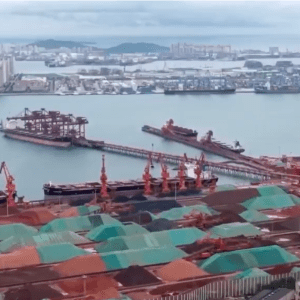
Trans-Pacific container freight rates surged to record levels last week, driven by robust demand that has remained stronger than anticipated since May began. Persistent port congestion in major Asian ports, caused by consecutive typhoons, has limited vessel capacity and contributed to maintaining elevated rates for both trans-Pacific and Asia-Europe trades.
Asia-U.S. West Coast prices climbed 2% to $7,621 per forty-foot container, according to data provider Freightos (NASDAQ: CRGO). Similarly, Asia-East Coast rates rose 2% to $9,791. Analyst Judah Levine attributes part of the demand increase to the absence of additional tariffs in July, which lessened a potential disruption to U.S.-bound imports.
Furthermore, the surge in shipments of data-center hardware is bolstering volumes, while reports of tariff refunds enabling some retailers to reduce prices may be raising expectations for consumer demand. Currently, SONAR's Ocean Booking Index is lagging behind indices from 2023-2025. Ocean carriers plan to add trans-Pacific capacity in September, ahead of the country's Golden Week holiday.
However, scheduled service withdrawals later in the month may again constrain available space. Some carriers are contemplating Panama Canal transit surcharges, which could push rates higher to the U.S. East Coast, particularly for routes reliant on the canal rather than the Suez Canal or around Africa. Typhoons have added to the disruption at Chinese and regional Asian ports since mid-July, significantly impacting cargo movement and causing some carriers to skip port calls or reroute shipments through transshipment hubs.
The resulting constraints on effective capacity have supported freight rates, even as demand varies by trade lane. Asia-Europe rates have decreased by more than $1,000 per forty-foot container unit from their July peak, while rates to the Mediterranean have fallen by more than $2,000 per FEU. Despite these declines, both lanes are still roughly 40% to 70% higher than pre-peak May levels.
The ongoing congestion in Asian ports and disruptions at regional transshipment hubs are preventing a sharper correction in spot pricing. Meanwhile, trans-Atlantic container rates have increased by approximately $400 per FEU over the past two weeks due to capacity reductions. Although some carriers have announced additional September rate hikes, market observers remain doubtful that the complete increases will persist in a market where demand has been less favorable compared to the trans-Pacific route.
The future direction of rates through September will depend on whether Far East port congestion eases, the extent of Golden Week empty sailings, and whether carriers can maintain capacity discipline as the traditional peak shipping period continues.
Written by urgent.news from FreightWaves's reporting — not their text. Machine-written — may contain errors; check the original before relying on it.