This clever app turns photos of everyday objects into an aesthetic file system
A new app will let you build your own museum-worthy archive out of everyday objects and bring it with you everywhere you go. Archiv is the brainchild of graphic designer David McGillivray . The app, which is currently in beta (potential testers can join the waitlist here ), functions as a “collection system for organizing and identifying the physical world,” according to McGillivray. Users can…
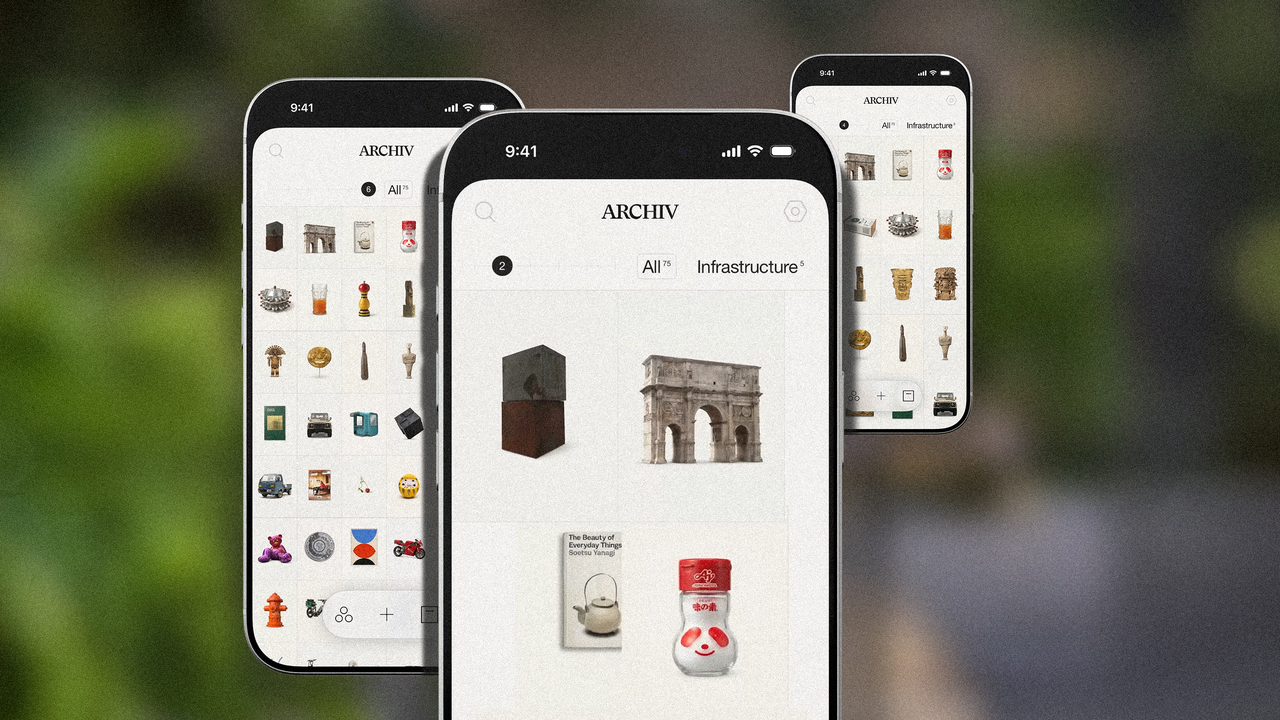
Archiv is a new app designed to help users build a personalized museum-quality archive of everyday objects, with the ability to share and discuss their findings. Graphic designer David McGillivray created the app, which functions as a "collection system for organizing and identifying the physical world." Users can take photos of anything they encounter, such as statues, fire hydrants, or furniture, and Archiv will convert them into visually appealing images with descriptions of the object and its origin.
Once a user has accumulated items in their collection, they can share their curated observations with friends or simply reflect on the patterns in their own discoveries. McGillivray believes the app encourages a deeper engagement with the physical world, serving as a mindful digital tool that enhances our appreciation for the mundane.
The concept for Archiv began with the idea of a digital rock collection, but McGillivray expanded it to include nearly any physical object that can be observed and documented. The app uses Google's AI image generation technology to create archival-quality images of user-submitted photos, correcting perspective, lighting, and background to make the objects appear as if they were taken in a traditional archive setting.
The beta version of Archiv includes features like automatic sorting of items into categories and a sharing functionality that lets users follow their friends' collections. In the future, McGillivray hopes to introduce 3D-rendering capabilities and find more sophisticated ways to analyze users' collections, such as identifying patterns in their collections that reveal what they find valuable and noteworthy.
Written by urgent.news from Fast Company's reporting — not their text. Machine-written — may contain errors; check the original before relying on it.