The World Will Overshoot 1.5°C and Must Now Remove Carbon, United Nations Says
Humanity is certain to exceed the warming limit set by the Paris Agreement, a legally binding treaty meant to cap the world’s carbon emissions, according to a new report from the United Nations Environment Programme (UNEP). Now, to reduce severe threats to human health, food security, water supplies, and more, societies will need to reach net-negative greenhouse gas emissions by not only cutting…
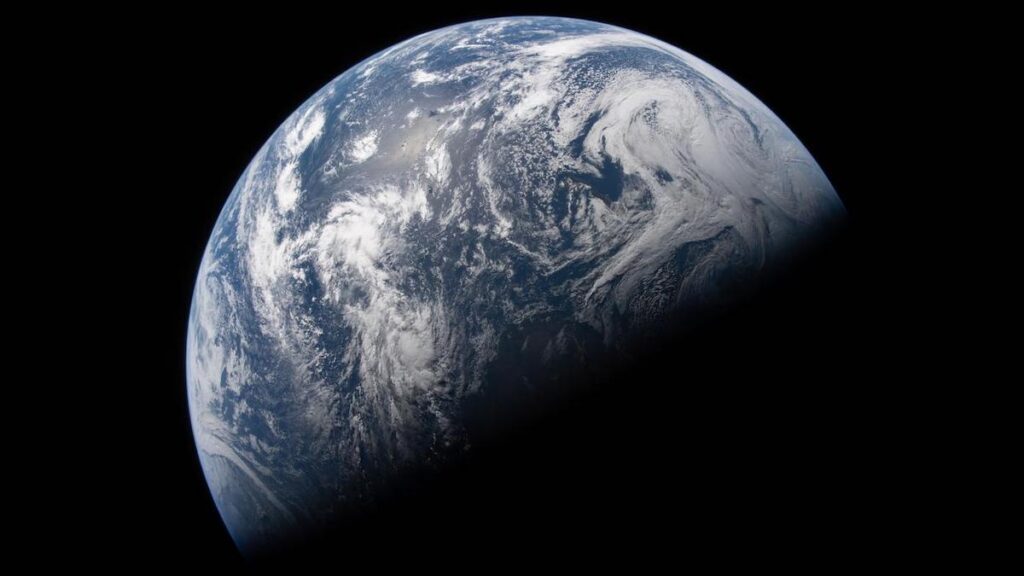
The United Nations Environment Programme (UNEP) has reported that humanity is certain to surpass the 1.5°C warming limit set by the Paris Agreement. To mitigate severe impacts on human health, food security, and water supplies, societies must now aim for net-negative greenhouse gas emissions through a process called "overshoot, peak and decline."
This would require virtually eliminating greenhouse gas emissions by mid-century and rapidly deploying carbon dioxide removal technologies. Inger Andersen, UNEP's executive director, warned that this is "simply the best remaining option" despite not being an acceptable or preferred pathway. The report is the first time UNEP has deemed staying beneath the 1.5°C warming limit as impossible rather than unlikely.
To bring global temperatures back to the 1.5°C mark, Earth's warming must not exceed 1.8°C (3.2°F); beyond that, cooling Earth back to the 1.5°C level becomes increasingly challenging. Carbon dioxide removal technologies are still limited in scale, with only 12 successful projects so far. Experts warn that large-scale carbon removal projects could face obstacles, such as the need for reforestation, which could conflict with agriculture, and the potential damage caused by wildfires and climate change itself.
UNEP emphasizes the importance of strong governance frameworks for ethical deployment and the critical need for increased political will to avoid dangerous tipping points in Earth systems.
Written by urgent.news from Eos's reporting — not their text. Machine-written — may contain errors; check the original before relying on it.