The Met’s Problem Was Always Bigger Than John Galliano
Maybe museums shouldn’t be showcasing living fashion designers.
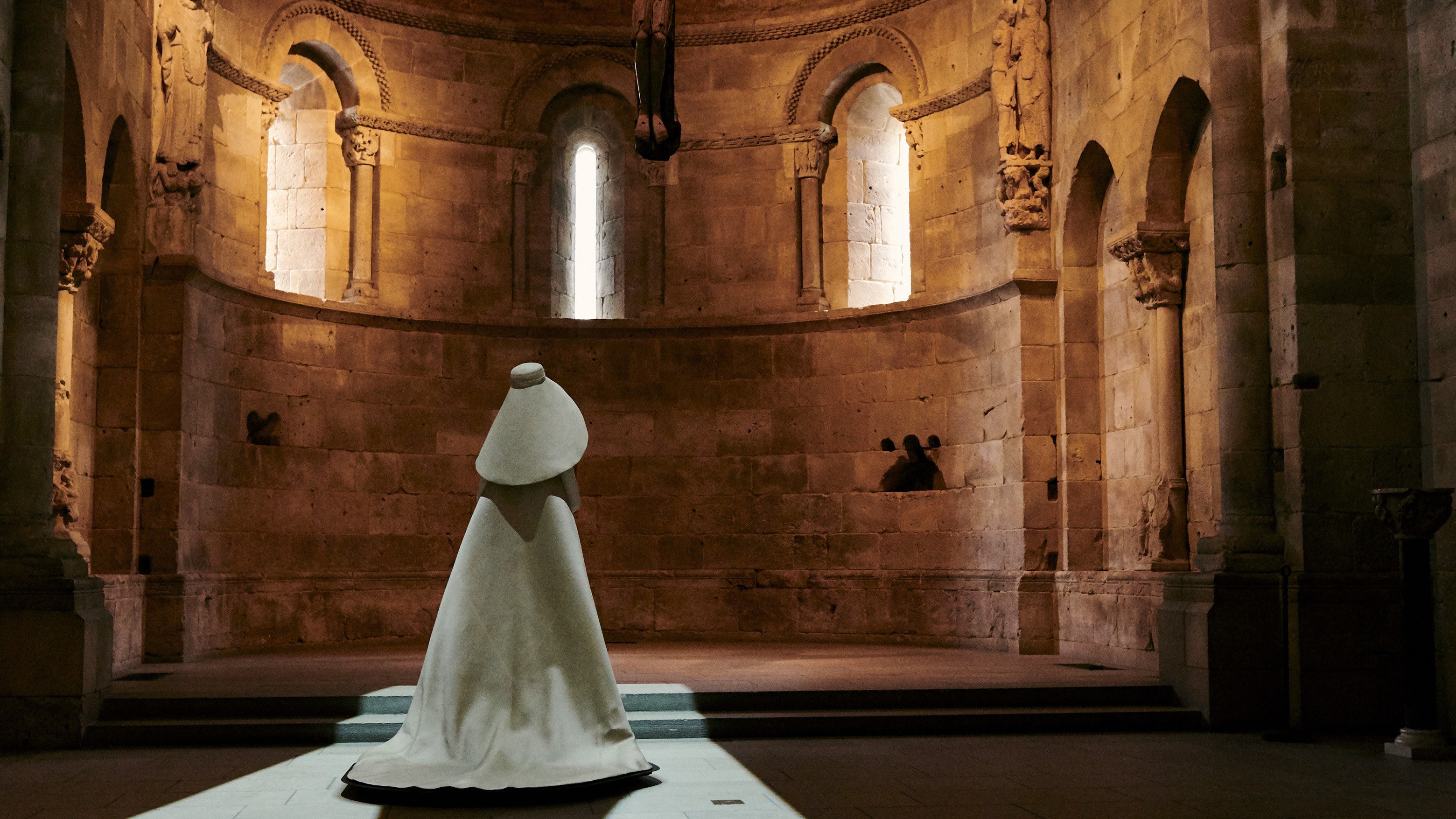
The Metropolitan Museum of Art has decided to cancel next year's exhibition featuring the fashion of John Galliano. This announcement, though surprising, was likely foreseeable given Galliano's troubled past. In 2011, he lost his job at Dior following a video of him making anti-Semitic remarks while drunk, and a French court later convicted him of making anti-Semitic and anti-Asian insults. Recent reports have also alleged anti-Semitic comments made by Galliano in 2019, though he has denied these claims.
Galliano, known for his controversial image but exquisite and theatrical designs, managed to reclaim his reputation after acknowledging his past substance abuse issues and entering rehab. He was subsequently hired by Maison Margiela and enjoyed a resurgence in popularity, with celebrities like Zendaya wearing his designs and Zara announcing a partnership with him. Additionally, Anna Wintour, the global editorial director of Vogue and chair of the Met Gala, has long been a friend and supporter of Galliano.
Despite these efforts, the decision to exclude Galliano from the Costume Institute's exhibition raised concerns. Museum donors threatened to withdraw funding, and the New York City council speaker labeled the choice as a "serious mistake." In response, the museum released a statement expressing that the decision was the "right decision" for the museum's reputation.
This cancellation represents a significant blow to the museum and its standards. Historically, the Costume Institute has followed an unofficial rule against showcasing the work of living designers, except for two exceptions in its 80-year history. These exceptions were controversial and aimed at separating cultural analysis from commercialism, a principle the museum has long upheld.
The cancellation of the Galliano exhibition raises questions about the ethics of featuring living designers in museum exhibits. Galliano's continued benefit from the publicity and prestige associated with the exhibition suggests that such shows remain ethically challenging, even when the designer has publicly apologized for past behavior. The museum may need to reconsider its approach to showcasing living designers and reflect on the reasons behind the established guidelines.
Written by urgent.news from The Atlantic's reporting — not their text. Machine-written — may contain errors; check the original before relying on it.