The history of financing America, in six crisis episodes
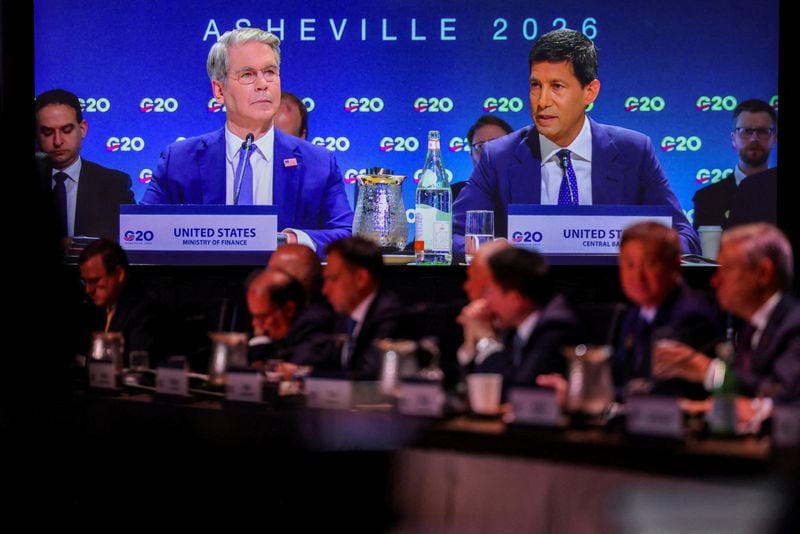
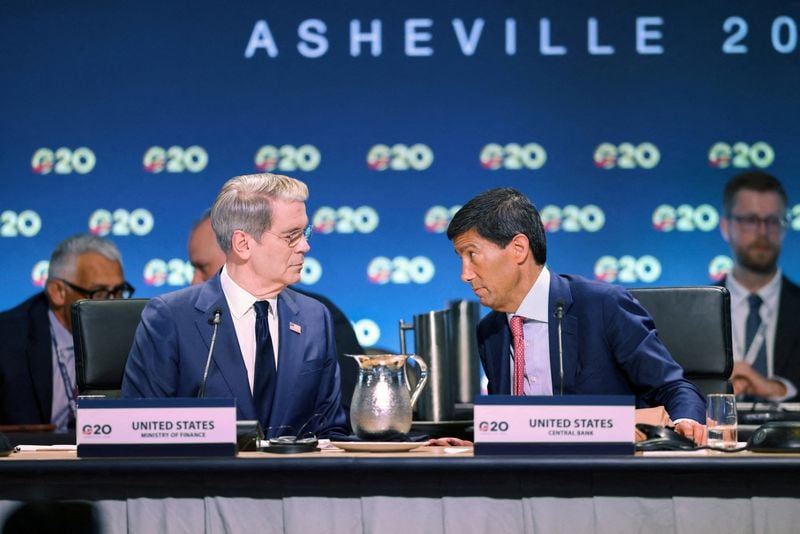
The story of financing America spans six major crisis episodes. During the Civil War, federal debt skyrocketed from $65 million in 1860 to $2.7 billion in 1865, thanks to unprecedented borrowing. Treasury Secretary Scott Bessent believes the U.S. can overcome debt, but history shows Washington creates new methods to raise funds when usual options are unavailable.
The National Banking Acts of the 1860s required federally chartered banks to back currency with U.S. bonds, turning federal debt into a mass retail product. In 1895, a recession and gold exports caused the Treasury's gold reserve to plummet below its politically vital $100 million benchmark. Private financiers J.P. Morgan and August Belmont Jr. helped stabilize the reserve by providing $65 million in gold.
World War II required cheap borrowing and restrained civilian spending to curb inflation. The government turned to war bonds, with about 27 million Americans buying them through payroll plans, financing roughly half of the wartime debt. The Federal Reserve supported this system by capping Treasury yields. Post-war inflation made the peg unsustainable, leading to the Treasury–Fed Accord of 1951.
In the 1960s, foreign dollar claims outpaced U.S. gold reserves, threatening the dollar's convertibility. Operation Twist aimed to support the dollar and hold down long rates, with the Fed selling short-term bills and buying long-term Treasuries, while foreign-currency Roosa bonds insulated the dollar from devaluation. Treasury auctions replaced fixed-price methods in 1970, allowing the market to set prices and shift to yield-based auctions in 1973.
In 1978, the Carter administration defended the dollar with an unusual intervention, selling foreign-currency-denominated debt to help support the U.S. currency.
Written by urgent.news from Investing.com's reporting — not their text. Machine-written — may contain errors; check the original before relying on it.