The Court’s Ballroom Decision Is a Sign of Deeper Problems
The conservative justices have separation of powers exactly backwards.
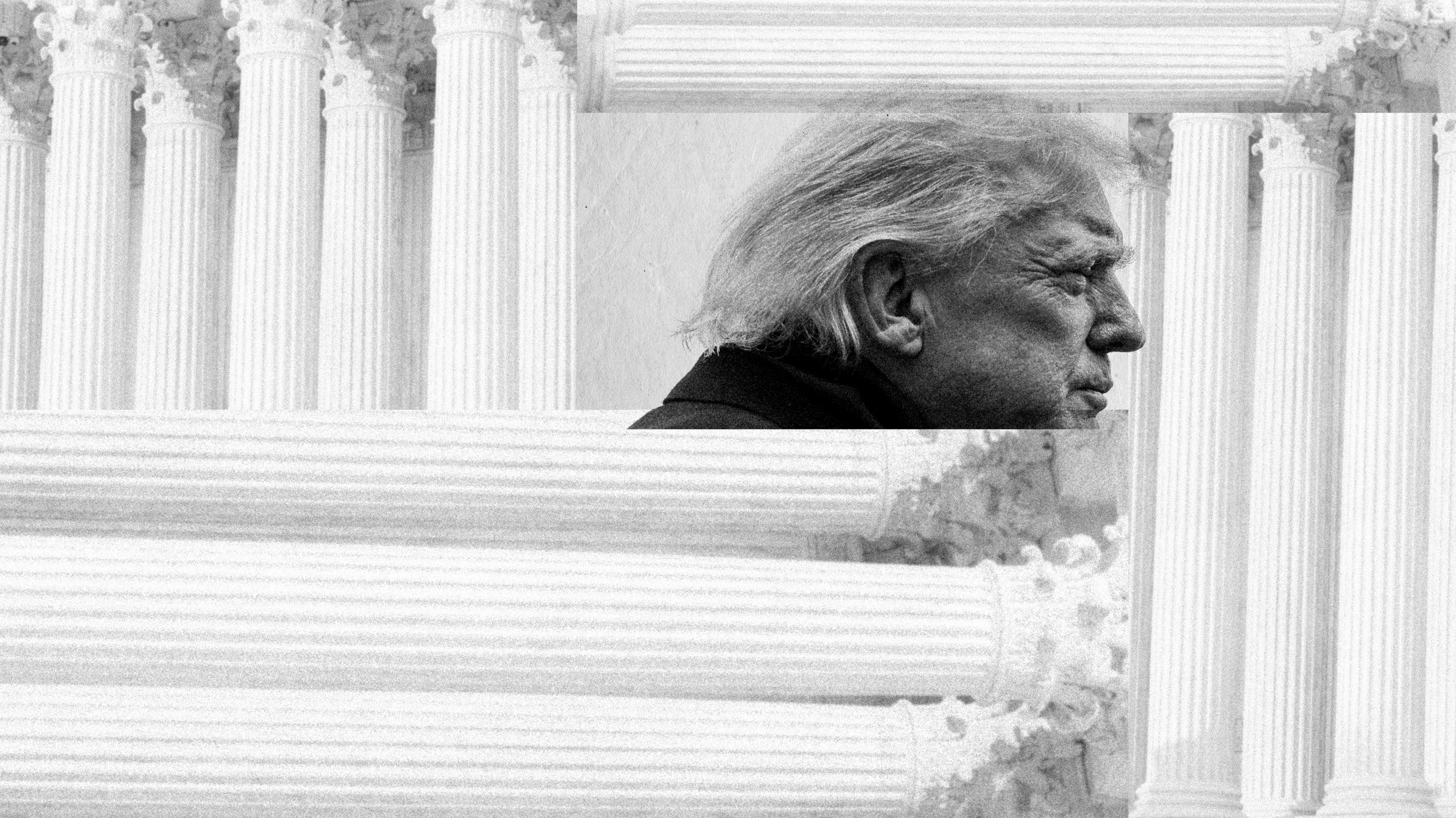
The U.S. Supreme Court's recent decision to permit President Trump to initiate a new ballroom construction project at the White House, despite Congress not authorizing it, highlights deeper issues with the separation of powers. The Court's interpretation is fundamentally flawed. Their error lies in conflating the president's authority with that of the federal government.
The Constitution does not grant the president all executive powers; Congress possesses the authority to establish and regulate federal property and authorize federal spending. Despite this, the Court has embraced the "unitary-executive theory," which asserts all executive power resides with the president. This theory undermines the separation of powers by allowing the president to bypass congressional authority and claim legislative powers.
The Court's ruling on standing, which evaluates whether plaintiffs can sue over government actions, has also been misused, often to limit congressional authority and empower the executive branch. In the ballroom case, the Court held that a plaintiff had insufficient standing to sue, effectively blocking enforcement of federal laws the president allegedly violated.
This trend of diminishing congressional authority and expanding executive power through the Court's rulings has the potential to render many federal laws unenforceable.
Written by urgent.news from The Atlantic's reporting — not their text. Machine-written — may contain errors; check the original before relying on it.