Sony’s stacked sensor design creates abnormally fast cameras – but will stacked sensors ever come to more affordable APS-C cameras?
Sony has full-frame stacked sensors and one-inch stacked compact cameras, but reports are calling for an APS-C sensor built for speed
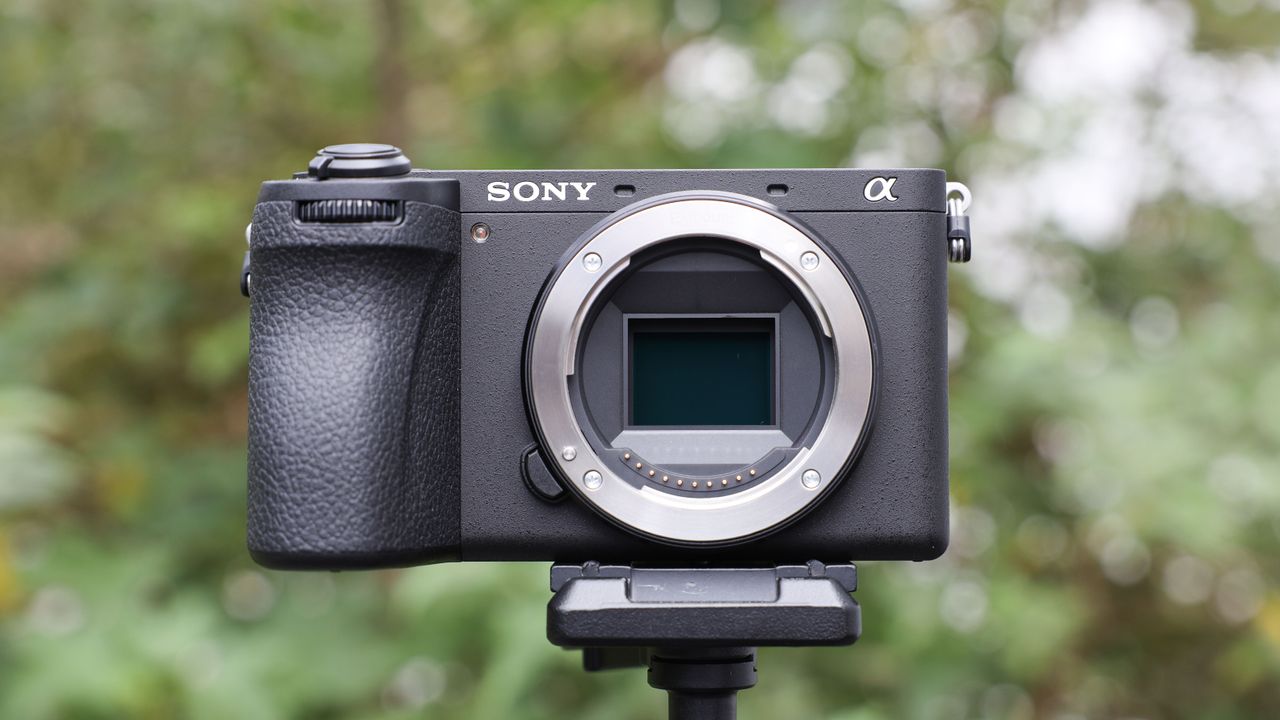
Sony's mirrorless cameras have gained popularity due to their speedy capabilities, largely attributed to the company's stacked sensor designs. However, Sony's APS-C mirrorless cameras currently lack this advanced technology. Recent reports suggest that Sony's sensor division is developing a 26MP APS-C stacked sensor, igniting speculation about potential new cameras such as the Sony A6900 or a cinema-grade APS-C camera like the Sony FX30 II.
The stacked sensor design enables high-speed shooting, as demonstrated in Sony's A7R VI, which can shoot at 30fps and 67MP. While stacked sensors have been implemented in Sony's high-end mirrorless cameras and even in compact cameras like the RX10 V and RX100 VII, their adoption in APS-C mirrorless cameras remains unconfirmed. One potential benefit of stacked sensors is the ability to process images and videos quickly, making them ideal for genres such as sports and wildlife photography.
While the rumored 26MP sensor may not offer a significant resolution increase over the current model, the implementation of stacked technology in APS-C mirrorless cameras would be a welcome addition.
Written by urgent.news from Digital Camera World's reporting — not their text. Machine-written — may contain errors; check the original before relying on it.