Shipping traffic via Strait of Hormuz stays below 10-day average
US air strikes on Iran on Tuesday triggered retaliation, escalating the conflict and further disrupting shipping through the Strait of Hormuz.
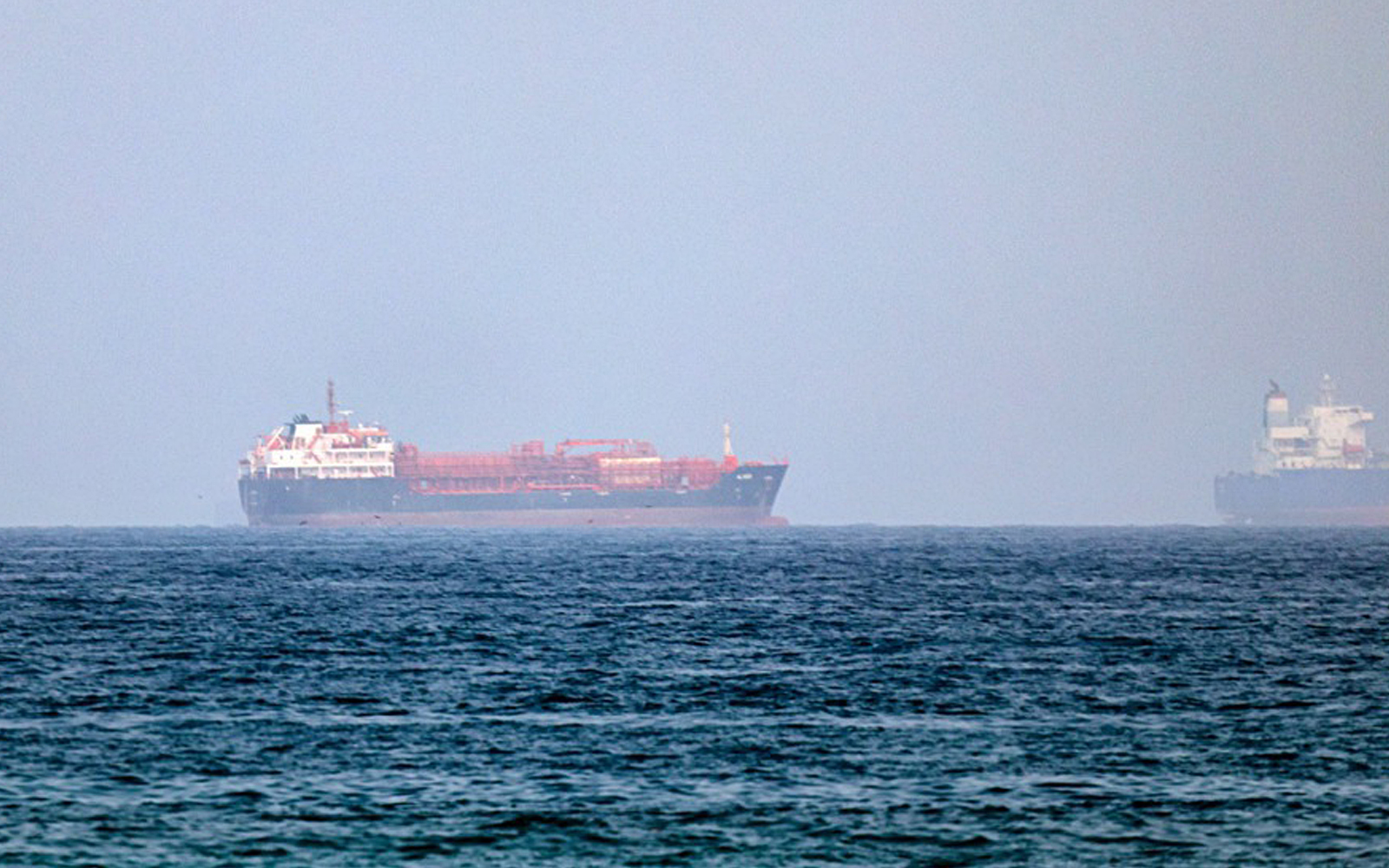
Four commodity vessels navigated the Strait of Hormuz on Tuesday, a decrease from the typical 10 vessels per day and below the 10-day average of around 13, according to preliminary shipping data released on Wednesday. The four vessels included one very large crude carrier, one Panamax tanker, one Kamsarmax carrier, and one intermediate tanker, as reported by shiptracker Kpler at 0200 GMT.
The composition of the vessels varied, with one vessel entering and three vessels exiting the strait. However, these figures may change as some ships typically deactivate their transponders during transit. The United States claimed it had carried out a series of air strikes against Iran on Tuesday, which in response, Iran's Islamic Revolutionary Guard Corps vowed retaliation.
This marked a significant escalation of the ongoing conflict between the two nations in recent weeks. The Iranian regime alleged that the US attacks would further tighten their control over the Strait of Hormuz, a vital waterway that historically accommodated about one-fifth of global oil consumption preceding the conflict. On the same day, 18 commodity vessels traversed the Bab el-Mandeb strait, another crucial maritime chokepoint in the Middle East.
This count, however, fell short of the 10-day average of approximately 24 ships that typically traverse the strait. Among the vessels passing through were two Aframax tankers and one Suezmax tanker.
Written by urgent.news from Free Malaysia Today's reporting — not their text. Machine-written — may contain errors; check the original before relying on it.
This story
This is one outlet's version. Read the fullest account.
- Shipping traffic via Strait of Hormuz stays below 10-day average freemalaysiatoday.com