Russian Starlink rival flounders after entire batch of satellites fails to reach operational altitude — many of the 16 launched hit less than half their 870km target, and two are already falling back to Earth
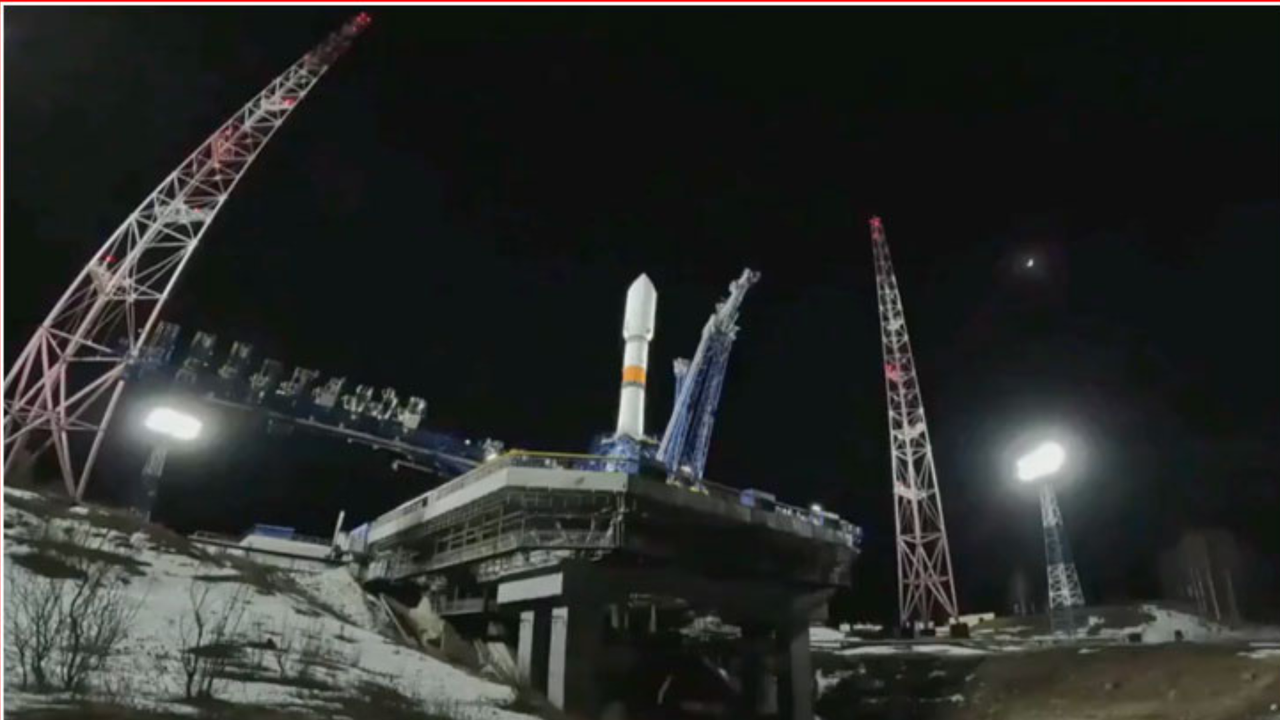
The entire second batch of Russian Rassvet satellites have failed to reach their intended operational altitudes, according to the U.S.-based Institute for the Study of War (ISW), citing data from the live satellite tracker N2YO. The satellites were designed to reach an altitude of 870 kilometers, but the majority ended up between 300 and 400 kilometers, with some experiencing orbital decay.
Two of the second batch are already on their way back to Earth, according to the ISW. Development of Rassvet, Russia's homegrown alternative to Elon Musk's Starlink, began in 2026 after access to Starlink was restricted by a new whitelist user-access system. Bureau 1440, a private aerospace firm, developed the satellites. The goal is to expand the Rassvet constellation to 900 satellites by 2035.
The first batch of 16 Rassvet satellites launched in March, but only 12 reached their anticipated altitudes, as of June. The ISW reports that a single Rassvet-3 satellite weighs 370kg (815 pounds). In the second batch launched in mid-June, none of the satellites have reached their anticipated altitudes, raising concerns for the project's future.
According to the ISW, Russia would need between 200 and 300 fully operational Rassvet satellites for stable connectivity over Ukraine 24/7. Currently, Rassvet offers only two up-to-90-minute connectivity windows a day over Ukraine. Ukraine's military strategists are likely monitoring Russian satellite production and launch facilities, which could pose a threat to Russia's interim target of 250 operational Rassvet satellites by 2027.
Written by urgent.news from Tom's Hardware's reporting — not their text. Machine-written — may contain errors; check the original before relying on it.