Psilocybin therapy shows strong potential for treating cocaine addiction
Two new studies suggest psychedelic compounds could help treat cocaine addiction. A human trial found psilocybin combined with therapy reduced cocaine use, while an animal study indicated that environmental support is needed to prevent long-term relapse.
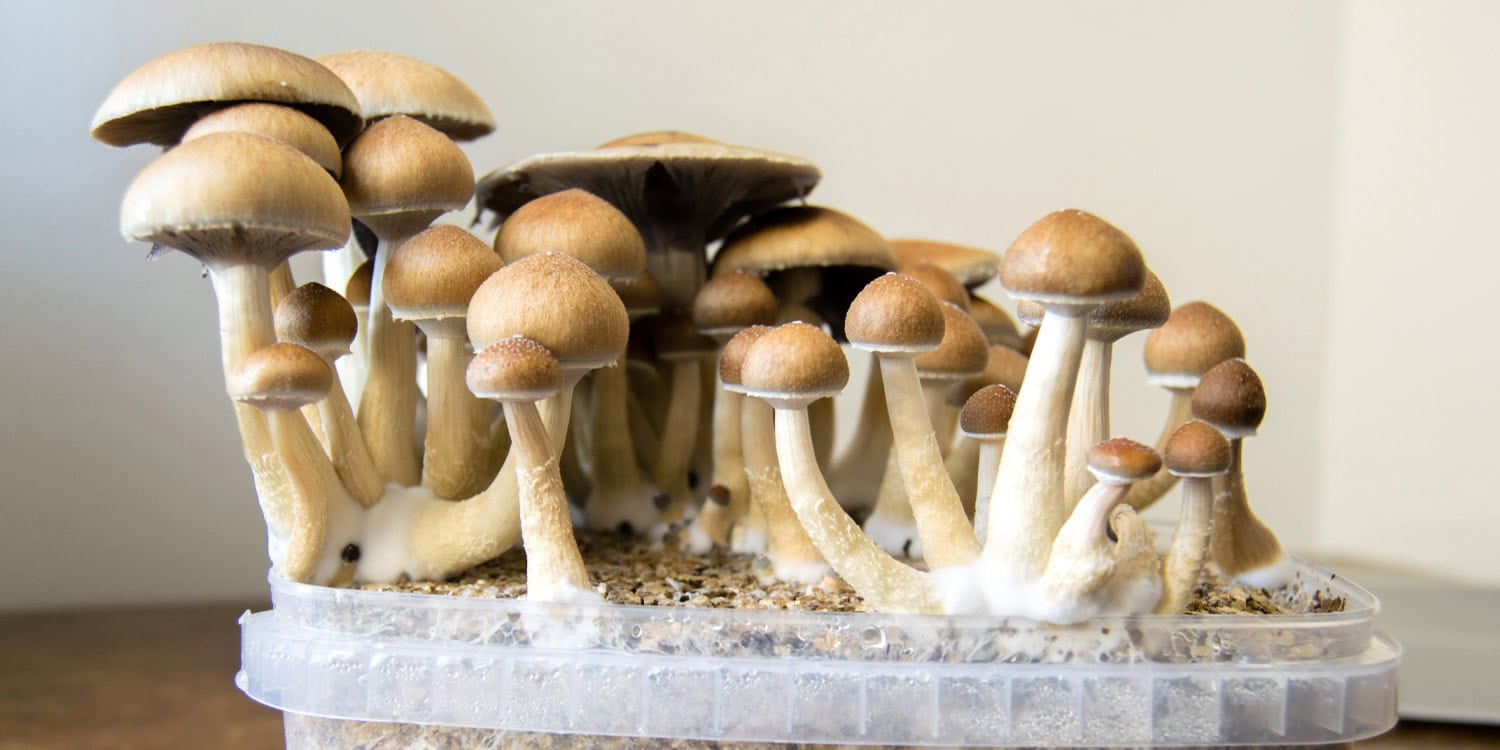
Two recent studies have indicated that psilocybin, a compound found in certain types of mushrooms, may present a promising avenue for treating cocaine addiction. A clinical trial published in JAMA Network Open found that psilocybin combined with psychotherapy helped participants stop using cocaine, while an animal study in Addiction Biology suggested that while psychedelics can assist in unlearning drug-seeking behaviors, proper environmental support is necessary to prevent long-term relapse.
Cocaine use disorder is a persistent condition where individuals compulsively seek and use cocaine despite its adverse effects on health, finances, and personal life. Medical treatments for the disorder have been limited, prompting researchers to explore the potential of classic psychedelics such as psilocybin, often used in combination with professional psychological support.
Initial results from these trials have been promising, with studies showing that psilocybin combined with therapy has reduced heavy drinking in people with alcohol addiction and helped individuals quit smoking cigarettes more effectively than standard nicotine patches.
Brief written by urgent.news from PsyPost's own syndicated text. Machine-written — may contain errors; check the original before relying on it.