Oxford researchers retract Nature paper on ‘atmospheric thirst’ for calculation errors
Nature has retracted a paper on the atmosphere’s role in the severity of droughts around the world after the authors discovered they made a coding error that skewed their measurements. The authors say they’ve already written a revised version of the paper. The article, published in June 2025, found an increase in “atmospheric thirst,” or … Continue reading Oxford researchers retract Nature paper…
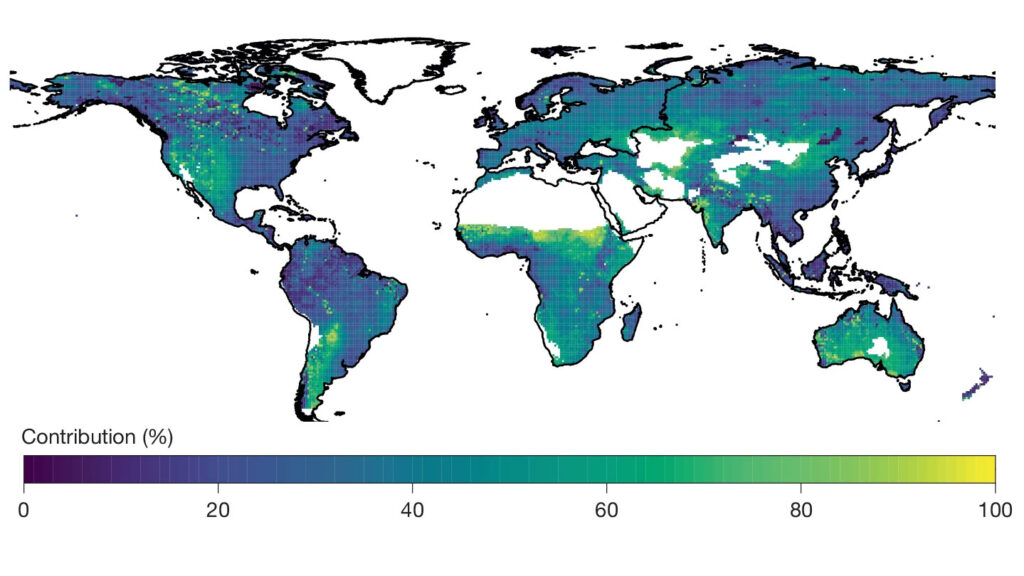
In June 2025, a paper published in Nature claimed that "atmospheric thirst" or atmospheric evaporative demand significantly amplified drought severity worldwide. However, the authors later discovered a coding error that skewed their measurements, leading to a retraction of the paper on September 2, 2025. The error was related to "timestepping" and resulted in incorrect dates being parsed when subsetting data.
Additionally, values based on an older evaporation model were accidentally used in a figure, and area-weighted grid cells were not used to calculate global averages. The authors stated that while the errors altered some percentages, they did not affect their overall conclusions. Despite this, the researchers decided to retract the paper and resubmit a revised version for peer review.
Nature issued a retraction notice on September 2, 2025, and the study had already been cited 337 times prior to the retraction.
Written by urgent.news from Retraction Watch's reporting — not their text. Machine-written — may contain errors; check the original before relying on it.