Oil prices spike, stocks slip as Middle East tensions flare up
Stocks fell while bond yields stayed near multi-decade highs as rate hike bets rose amid renewed Middle East tensions and another oil price surge.
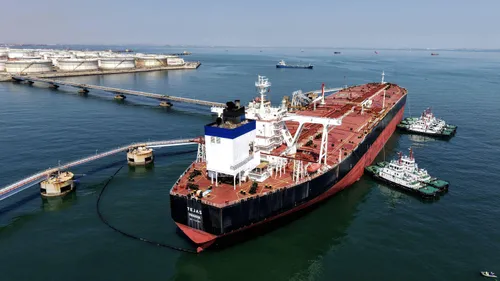
Oil prices surged and stocks plunged as Middle East tensions escalated, prompting investors to increase their anticipation of further interest rate hikes. The latest spike in crude oil prices follows U.S. military action against an Iranian island in the Strait of Hormuz, triggering retaliatory strikes across multiple regional countries.
Brent North Sea Crude reached $95.43 per barrel, marking a 10 percent increase since the recent U.S. attacks. This escalation, coupled with ongoing peace talks that have yielded no results, has led Washington to focus on economically weakening Iran. With the Strait of Hormuz effectively closed and energy costs expected to remain high, inflation concerns are on the rise.
This, combined with mounting worries over government spending and a wave of corporate debt sales, has driven up expectations for rate hikes, pushing up borrowing costs. In the U.K., 30-year bonds hit a high since 1998, while 10-year bonds reached levels last seen during the 2007 financial crisis. Japan's 10-year bond yield also reached a 30-year peak, nearing the 2007 level for 30-year U.S. Treasuries.
Consequently, investors are growing apprehensive about bonds, particularly given the current high yield rates. Rajeev De Mello of Gama Asset Management noted that these elevated yields pose a significant challenge to Asian equities, especially for longer-duration tech stocks. Asian markets, including Japan's, experienced sharp declines, with tech firms in Tokyo and Seoul falling by 3.9 percent and 4 percent, respectively.
Other regions, such as Hong Kong, Shanghai, Sydney, Taipei, Mumbai, Bangkok, Jakarta, and Manila, also suffered significant drops. Conversely, London, Frankfurt, and Paris showed slight losses at the opening bell. The sell-off mirrored earlier losses on Wall Street. Investors are now preparing for the release of crucial jobs and inflation data over the coming week, which could indicate whether the Federal Reserve will raise interest rates at its next meeting in two weeks.
Current expectations suggest a 70 percent chance of a rate hike. Fed Governor Michael Barr has expressed readiness to hike rates if inflation remains significantly above the two percent target, which it has for over five years. If inflation signs indicate a path to moderation, Barr suggested waiting for a more comprehensive assessment of the Federal Reserve's policy stance.
However, if inflation does not show signs of moderating, the governor indicated a need for decisive rate increases.
Written by urgent.news from IOL's reporting — not their text. Machine-written — may contain errors; check the original before relying on it.