Oil prices rise on Middle East escalation
Oil prices rose on Thursday after US strikes on Iran and renewed Israeli threats against Tehran revived concerns about disruption to Middle East supplies, while comments from Russian President Vladim...
Oil prices surged on Thursday following US strikes on Iran and Israeli threats against Tehran, reigniting concerns about potential disruptions to Middle East supplies. Brent crude futures climbed 15 cents, or 0.16%, to $95.78 a barrel, while US West Texas Intermediate crude futures increased 63 cents, or 0.69%, to $91.64. Both contracts were on track for their fourth consecutive day of gains and reached six-week highs earlier in the session.
Iran's health minister reported that 18 people were killed and 108 wounded in US strikes across the country on Tuesday night. A wedding ceremony near the Strait of Hormuz was among the targets. Three Iranian Army pilots perished in the US strikes, according to the semi-official Tasnim news agency. These attacks were the most significant exchange of fire between the US and Iran since July, marking the seventh month of the ongoing war initiated by US-Israeli strikes in late February.
Israeli Defense Minister Israel Katz warned that Israel would "cripple" Iran's military and civilian infrastructure, including energy facilities, if Tehran launched attacks against Israel. His remarks, along with comments from Russian President Vladimir Putin signaling openness to peace negotiations with Ukraine, contributed to the rise in oil prices.
Putin expressed on Thursday a possibility of reaching an agreement to end the war in Ukraine, stating that several countries, including the US and China, were prepared to support a peace settlement.
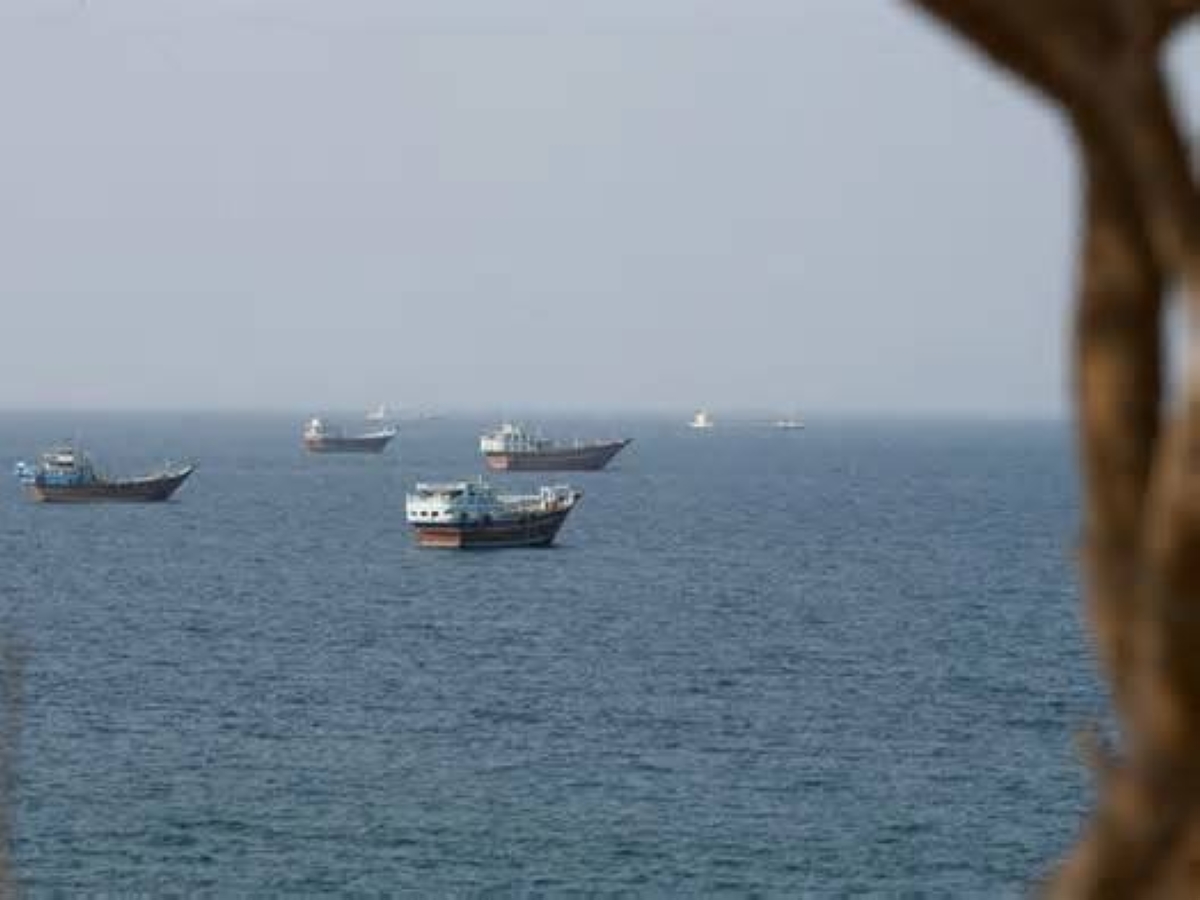
Iran added more ships to its list of non-compliant vessels subject to fines, confiscation, or detention if they attempt to navigate the Strait of Hormuz. Iraq saw a significant increase in its oil exports to approximately 2.34 million barrels per day in August, up from about 1.35 million bpd in July. September exports are also expected to rise, thanks to heavy discounts and Iranian approvals for Iraqi tankers, attracting more buyers.
The oil market remains tight, with global inventories still declining, leading to higher prices, according to UBS energy analyst Giovanni Staunovo.
Written by urgent.news from Gulf Times Business's reporting — not their text. Machine-written — may contain errors; check the original before relying on it.
This story
This is one outlet's version. Read the fullest account.
- Saudi firms want consultants to have ‘skin in the game’, Deloitte Middle East CEO says arabianbusiness.com
- Oil prices hit fresh 6-week highs on renewed Middle East tensions channelnewsasia.com