NASCAR’s New Super Speedway Package Is a Step Forward, But It’s Not Perfect Yet
NASCAR’s new superspeedway package didn’t completely transform the racing at Daytona, but it showed enough improvement to deserve another opportunity. The package debuted during Saturday’s Coke Zero Sugar 400 with the rear spoiler reduced from seven inches to four and horsepower lowered from 510 to 465. NASCAR’s goal was to reduce drag and give drivers…
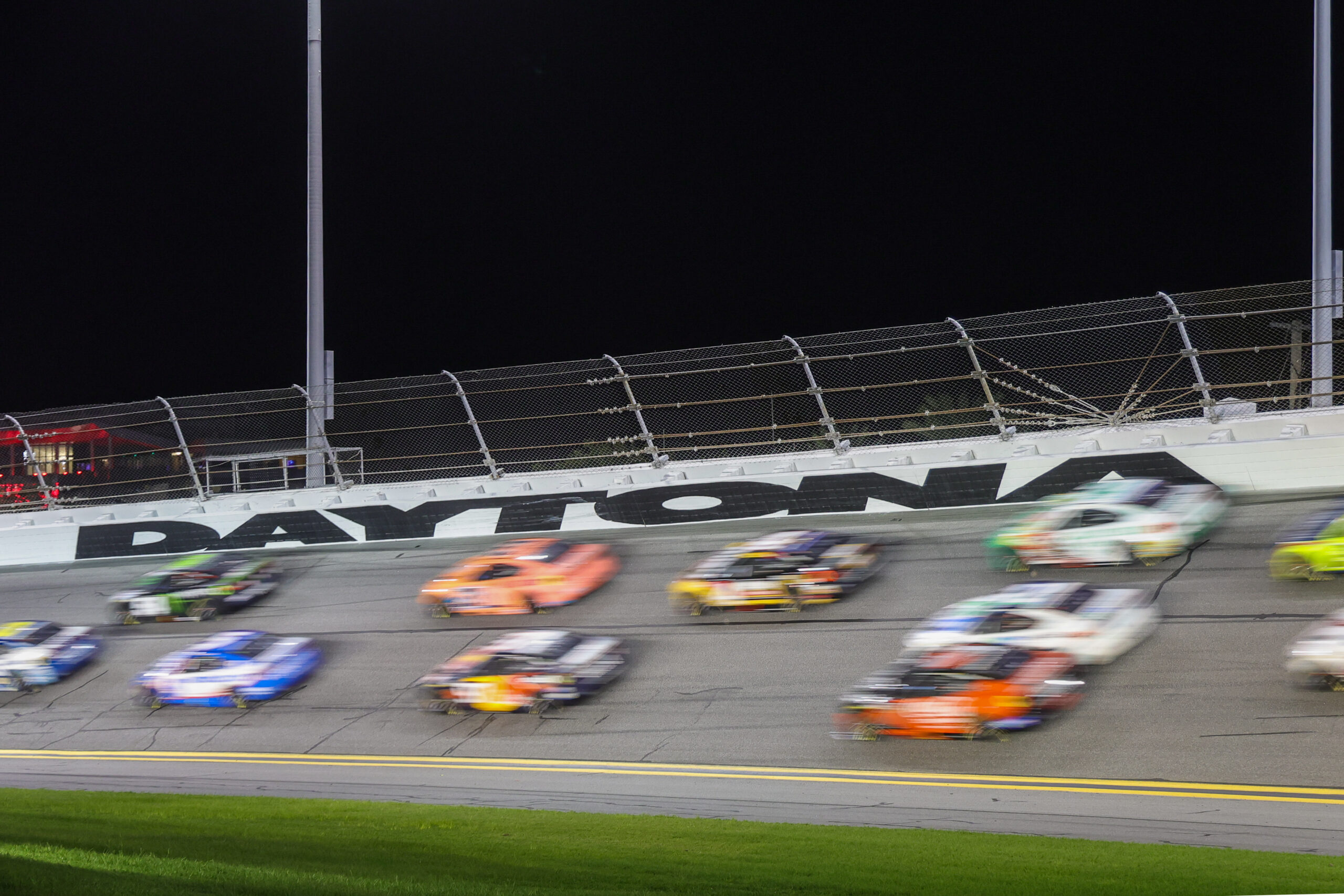
NASCAR unveiled its new superspeedway package during Saturday's Coke Zero Sugar 400, introducing changes aimed at reducing drag and enhancing drivers' ability to navigate the track. The package included a reduced rear spoiler from seven inches to four, and a decrease in horsepower from 510 to 465. The goal was to allow drivers to better maneuver through the field, instead of relying solely on fuel-efficient strategies for track position.
From a viewer's standpoint, the changes yielded some positive results. The field initially raced three-wide, but by around 10 to 15 laps, the bottom and top lanes began to diverge as handling became a more critical factor. Drivers like Denny Hamlin noticed this change, stating on his podcast, Actions Detrimental with Denny Hamlin, that the field could run three-wide for roughly 10 to 15 laps before the middle lane disappeared. The separation between the lanes created more room for drivers to seek clean air and make passes.
Bubba Wallace and Chase Briscoe echoed similar sentiments, claiming the runs felt slightly larger and that drivers could execute passes more effectively under the new package. However, not all drivers were convinced of substantial improvement. Christopher Bell and Erik Jones argued that the racing did not feel significantly different, while they also pointed to potential unintended consequences due to the reduced horsepower.
Their main grievance centered on the ongoing issue of fuel saving, which teams continued to address to minimize pit road time.
Despite the perceived improvements, NASCAR still faces challenges in eliminating fuel conservation tactics. Some drivers, including Ryan Preece, who won the race while running short on fuel, underscored the continued importance of fuel mileage.
NASCAR will need to address the structure of race stages as the next area of adjustment. Both Hamlin and Briscoe suggested that the current stage lengths encourage excessive fuel conservation. Implementing shorter stages could potentially allow drivers to race harder without the significant penalty of spending prolonged periods at reduced throttle.
Talladega, known for its 2.66-mile length, will serve as the next testing ground for the new superspeedway package. This longer track, which frequently accommodates three- and four-wide racing, may yield different outcomes, especially if drivers gain additional space to create lanes. However, whether this additional room translates into more passing or simply broader gridlock remains to be seen.
Overall, while NASCAR has made a meaningful change to the package during the season, it is clear that the organization is still searching for the final solution.
Written by urgent.news from Yahoo Sports's reporting — not their text. Machine-written — may contain errors; check the original before relying on it.