NASA's Swift shortens orbital lifetime for the sake of science
Instruments reactivated for a final hurrah before reentry
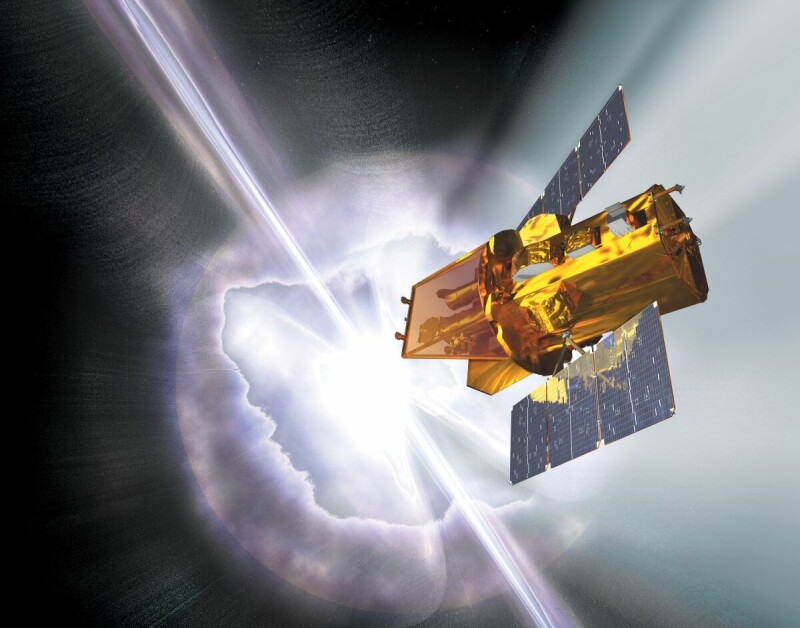
NASA's Neil Gehrels Swift Observatory may soon reach the end of its operational life, but mission managers have decided that the potential scientific discoveries are worth the sacrifice. The spacecraft's Ultraviolet/Optical and X-ray telescopes, which were turned off in February and April to minimize drag, have been reactivated last week.
The Burst Alert Telescope may also be brought back online in September. The reboost mission, which failed due to control issues with the Katalyst Space LINK spacecraft, ruled out an attempt to capture and rescue Swift. Despite the loss of the potential rescue mission, NASA has decided to prioritize science. Swift has been studying the cosmos for over two decades and lacks the capability to boost itself to a higher orbit.
Recent solar activity has increased the effects of drag on the spacecraft, making rescue efforts riskier. With low-drag operations, Swift is expected to stay above the critical 185-mile (300-kilometer) altitude until October, allowing for a few months of valuable science data collection.
Written by urgent.news from The Register's reporting — not their text. Machine-written — may contain errors; check the original before relying on it.
This story
This is one outlet's version. Read the fullest account.
- NASA’s Swift telescope is back, but time is running out sciencedaily.com
- NASA's Swift shortens orbital lifetime for the sake of science theregister.com