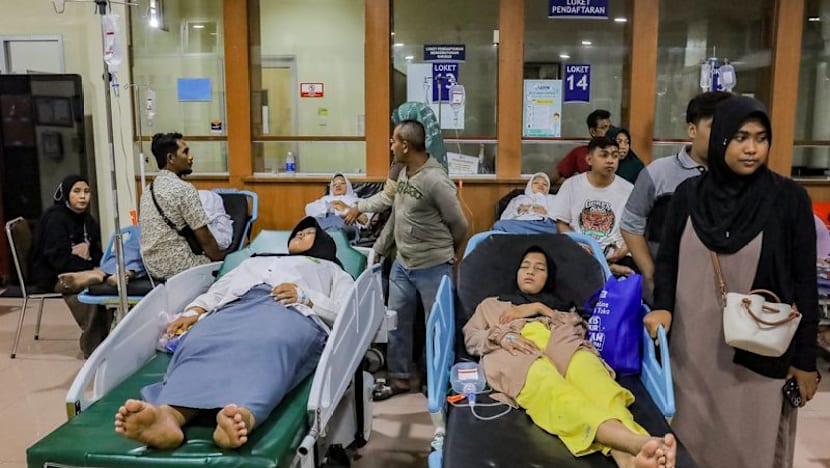
Maternal mortality is a women’s empowerment emergency!
A woman who dies in childbirth does not only lose her life. She loses every plan she was still building. It could be plans to grow her business, achieve higher education or create a brighter future for her children. Maternal mortality is a direct blow to women's empowerment because empowerment and potential mean little if a woman cannot survive the act of giving life. The baby survives. Sometimes…

The loss of a woman during childbirth is not merely a tragedy; it is a severe setback to women's empowerment. When a woman dies during childbirth, she forfeits all her future plans, whether it's running a business, advancing her education, or providing a better life for her children. This devastating blow to women's empowerment is further compounded by the fact that sometimes the baby also does not survive.
The Ghana Health Service reported that 955 maternal deaths occurred in 2025, a stark increase from 779 deaths in 2016. The Director of the GHS Family Health Division, Dr Kennedy Brightson, revealed this during a workshop on pre-eclampsia and maternal anaemia in February 2026. Hypertensive disorders, he noted, remain a leading cause of these deaths.
A national dialogue in late 2025 had already highlighted the severity of the maternal health crisis, with calls for urgent and coordinated national action. Despite previous measures introduced to protect mothers and reduce preventable deaths, the numbers indicate that much more needs to be done. This crisis is not just a health issue but a gender equality and development crisis.
A woman's life should not be the price of motherhood. Most maternal deaths are preventable, according to the World Health Organisation. Causes include severe bleeding, infections, high blood pressure disorders, complications during delivery, and unsafe abortion. Prevention requires comprehensive care that is available, affordable, timely, and of high quality, backed by skilled personnel, reliable supplies, and faster ambulances.
Antenatal care is crucial, as it can detect dangerous complications early. Misconceptions surrounding caesarean sections and referral to major hospitals must be dispelled, as these procedures can save lives. Fear and misinformation surrounding referral should not stop women from seeking timely and specialised care. Maternal mortality is not exclusive to poor, rural, or uneducated women; educated and financially stable women also face severe complications.
Ghana must move from mourning these losses to taking decisive action. This crisis demands accountability, stronger policies, and investments in healthcare infrastructure and community education. The time for incremental action is over; Ghana must act with urgency and commitment to ensure no woman sacrifices her life for the privilege of bringing another into the world.
Written by urgent.news from MyJoyOnline Ghana's reporting — not their text. Machine-written — may contain errors; check the original before relying on it.