Looking to use prediction markets? A sports bettor gives his pros and cons
Never used a prediction market before? Matt Russell gives his pros and cons as a sports bettor.
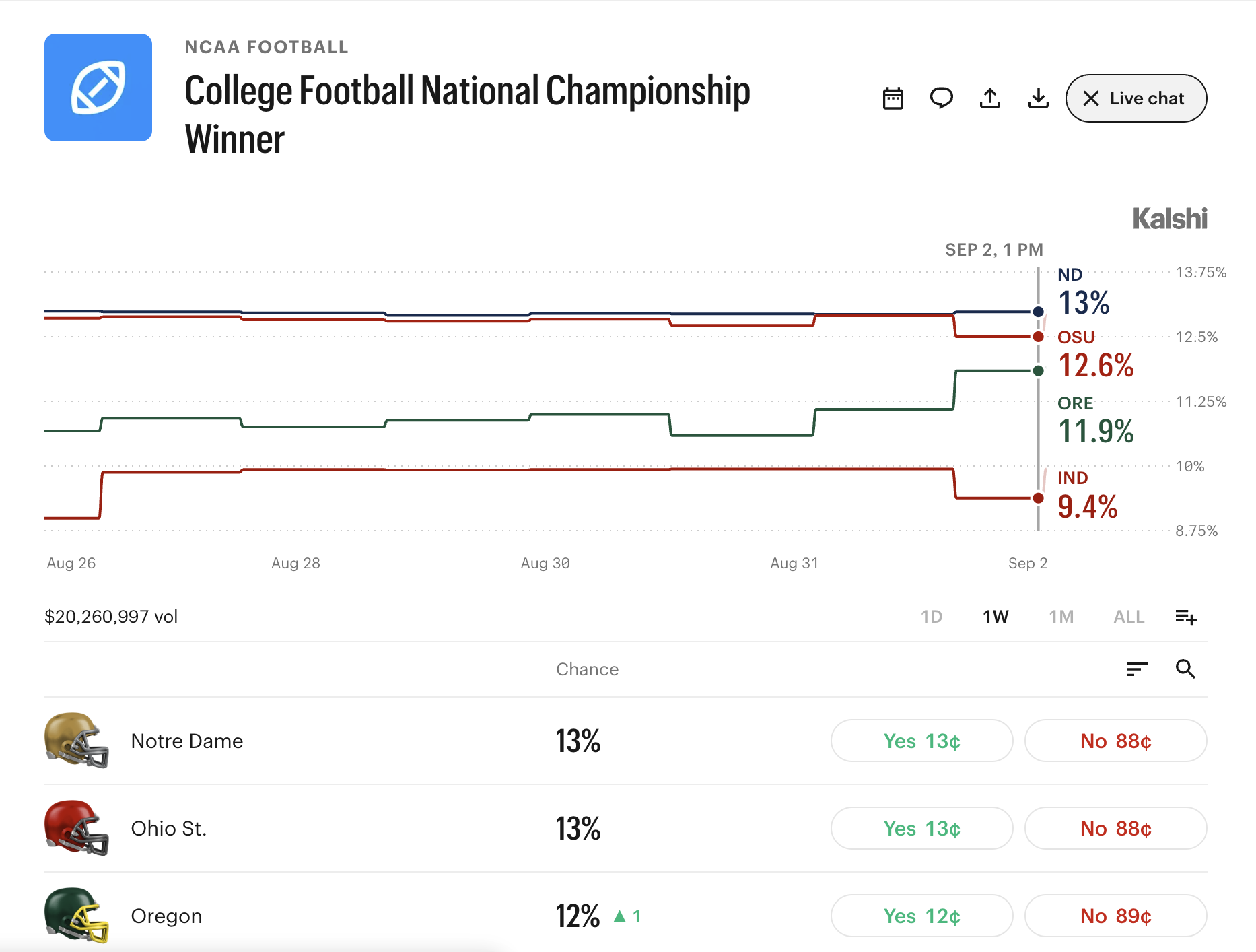
Prediction markets have been gaining attention lately, much like cryptocurrency and NFTs. These markets allow individuals to bet on various outcomes, from sports events to political outcomes. While there are both pros and cons to this new betting option, veteran sports bettor shares his insights.
One advantage of prediction markets is the opportunity to compete with peers. Unlike traditional sports betting where the odds are set by the oddsmakers, prediction markets allow users to set their own lines and odds. This can be appealing for those with an edge on certain bets, such as player props or individual game outcomes. Additionally, prediction markets can help bettors better understand odds in terms of probability, which can improve their overall betting strategy.
However, there are also some drawbacks to prediction markets. One of the main concerns is the presence of sharp, experienced bettors who have been involved in these markets for a while. These sharp bettors may be tougher to beat due to their deep knowledge of the markets. This can make it more challenging for novice bettors to succeed in prediction markets compared to traditional sports betting.
Another con is the sheer number of options available in prediction markets. With so many specific bets available, it can be easy for bettors to become overwhelmed and spread themselves too thin by placing too many prop bets. This can lead to poor decision-making and potential losses.
In conclusion, prediction markets offer both opportunities and challenges for sports bettors. While they provide a unique way to engage with betting and potentially improve one's understanding of probability, the presence of sharp bettors and the abundance of options can make it difficult for newcomers to navigate this new landscape.
Written by urgent.news from Yahoo Sports's reporting — not their text. Machine-written — may contain errors; check the original before relying on it.