Krisenvorsorge stärken: Niederlande ziehen Teil von Goldreserve aus den USA ab
Viele Länder haben Goldvorräte in den USA gelagert. Die Attacken von Trump auf die US-Notenbank Fed gaben Anlass zur Sorge. Die Niederländer verlagern nun einen Teil des Goldes - und nennen Gründe.
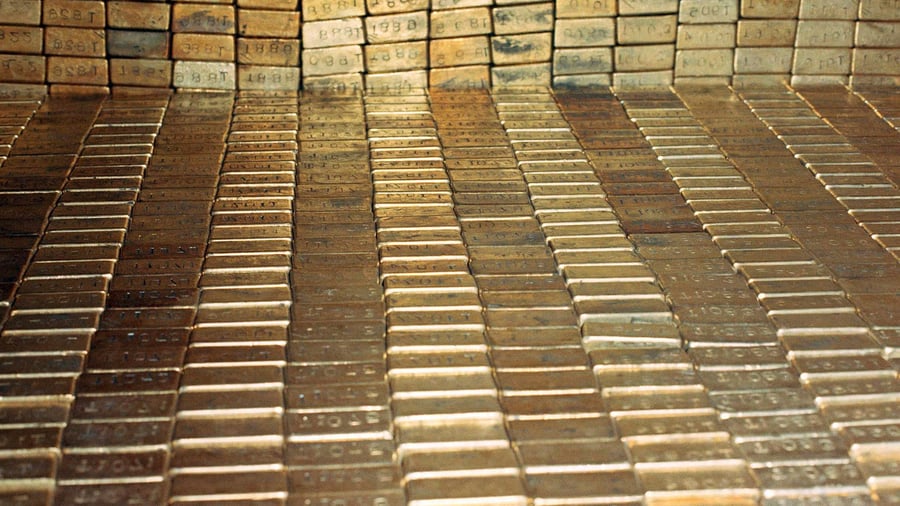
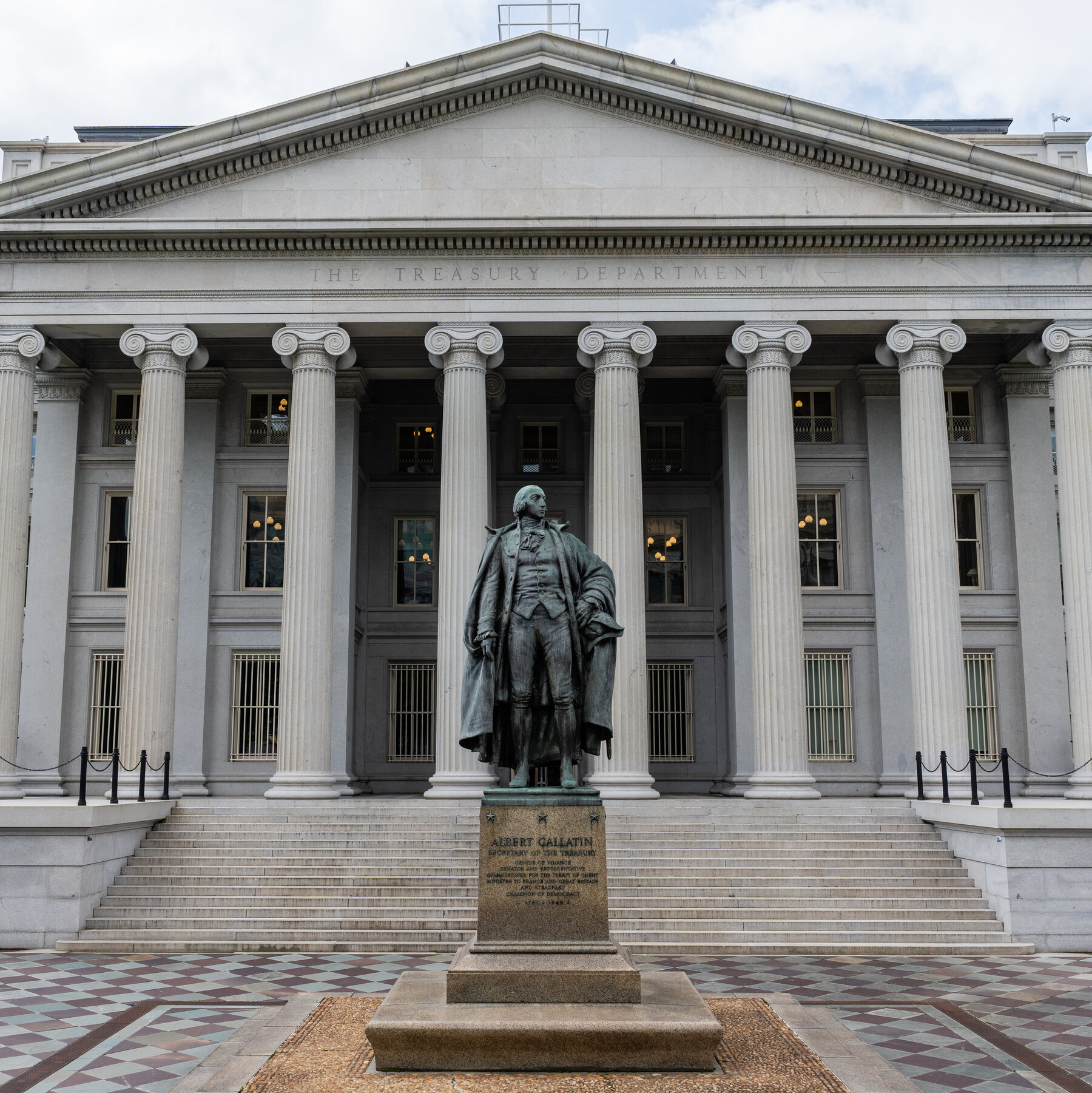
Amsterdam - The Netherlands has moved a significant portion of its gold reserves from the United States to London, according to the Dutch Central Bank (DNB). This strategic decision was made due to increasing geopolitical tensions, the bank explained. Additionally, Canada transferred a smaller amount of gold to the Netherlands. Consequently, most of the Netherlands' gold reserves are now stored in London at the Bank of England, while previously, a considerable 31 percent were located in New York.
The DNB has since reduced the amount of gold stored in New York and Ottawa to approximately 18.5 percent each. Overall, around 86 tonnes of gold were withdrawn from New York and Ottawa, which amounts to about a quarter of the Netherlands' gold reserves from North America. Currently, the DNB states that nearly 32 percent of the country's gold reserves are in London, and just over 31 percent are held domestically.
New York and Ottawa still hold about 18.5 percent each. The DNB is also working on strengthening its crisis preparedness, emphasizing that spreading risk through a more balanced distribution of gold reserves is crucial. The Netherlands' gold stored in London at the Bank of England is considered the most liquid gold in the world, suitable for rapid mobilization in a crisis situation.
The decision to move German gold reserves from the Federal Reserve in the United States to Germany remains unclear, as the Bundesbank, which manages Germany's gold reserves, sees no immediate need for such action. Currently, 51 percent of the Bundesbank's gold reserves of 3,350 tonnes are in Frankfurt, and around 37 percent are in New York, with a little more than 12 percent in London. According to the Bundesbank, New York and London are the world's main gold trading hubs.
Written by urgent.news from Handelsblatt's reporting — not their text. Machine-written — may contain errors; check the original before relying on it.