Korea moves to protect migrant fishermen from forced labor
Out at sea, migrant fishermen work far from the public eye. For years, human rights advocates have warned that this isolation makes them exceptionally vulnerable to debt bondage, physical control and forced labor. Now, the government is taking direct steps to identify and protect these exploited workers before they vanish into the shadows of the maritime economy. The Ministry of Gender Equality…
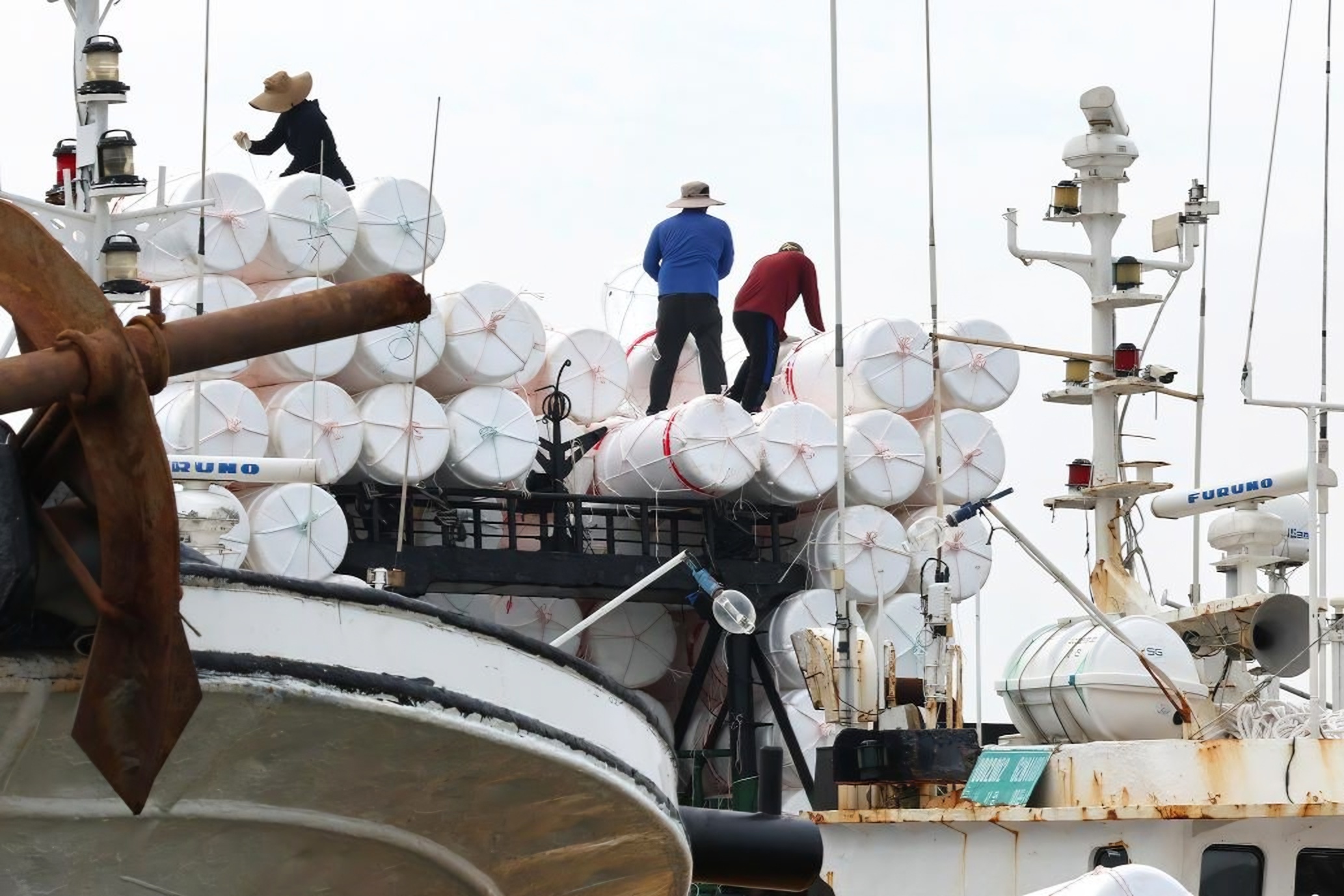
Far from the public's view, migrant fishermen labor at sea, their plight largely unseen. For years, human rights advocates have sounded the alarm that their isolation leaves them particularly susceptible to debt bondage, physical control, and forced labor. In response, the government has taken decisive action to identify and shield these exploited workers from vanishing into the shadows of the maritime economy.
On Wednesday, the Ministry of Gender Equality and Family and the Ministry of Oceans and Fisheries released updated national guidelines aimed at aiding inspectors and law enforcement to recognize signs of human trafficking within the fishing industry.
The revised framework addresses longstanding gaps, heeding the recommendations from last year's U.S. State Department Trafficking in Persons Report. Unlike industries operating on land, maritime labor poses distinct challenges. Migrant crew members, predominantly recruited from Southeast Asia, often endure physical confinement aboard vessels, face language barriers, and lack access to local support networks. Under the new rules, authorities must vigilantly search for subtle signs of exploitation.
Written by urgent.news from The Korea Times's reporting — not their text. Machine-written — may contain errors; check the original before relying on it.
This story
This is one outlet's version. Read the fullest account.
- Korea moves to protect migrant fishermen from forced labor koreatimes.co.kr