Is the CIA's Moscow visit a sign of a coming Russian provocation in the Baltics?
One can only speculate about the real purpose of the CIA director's unexpected visit to Moscow. The fragments fed to the media may be accurate, partly accurate, or deliberately misleading. Washington's reasons for talking to Russia extend far beyond Ukraine and the Baltic states, although the latter matter more immediately as they are NATO allies. Moreover, Moscow's global activity gives…
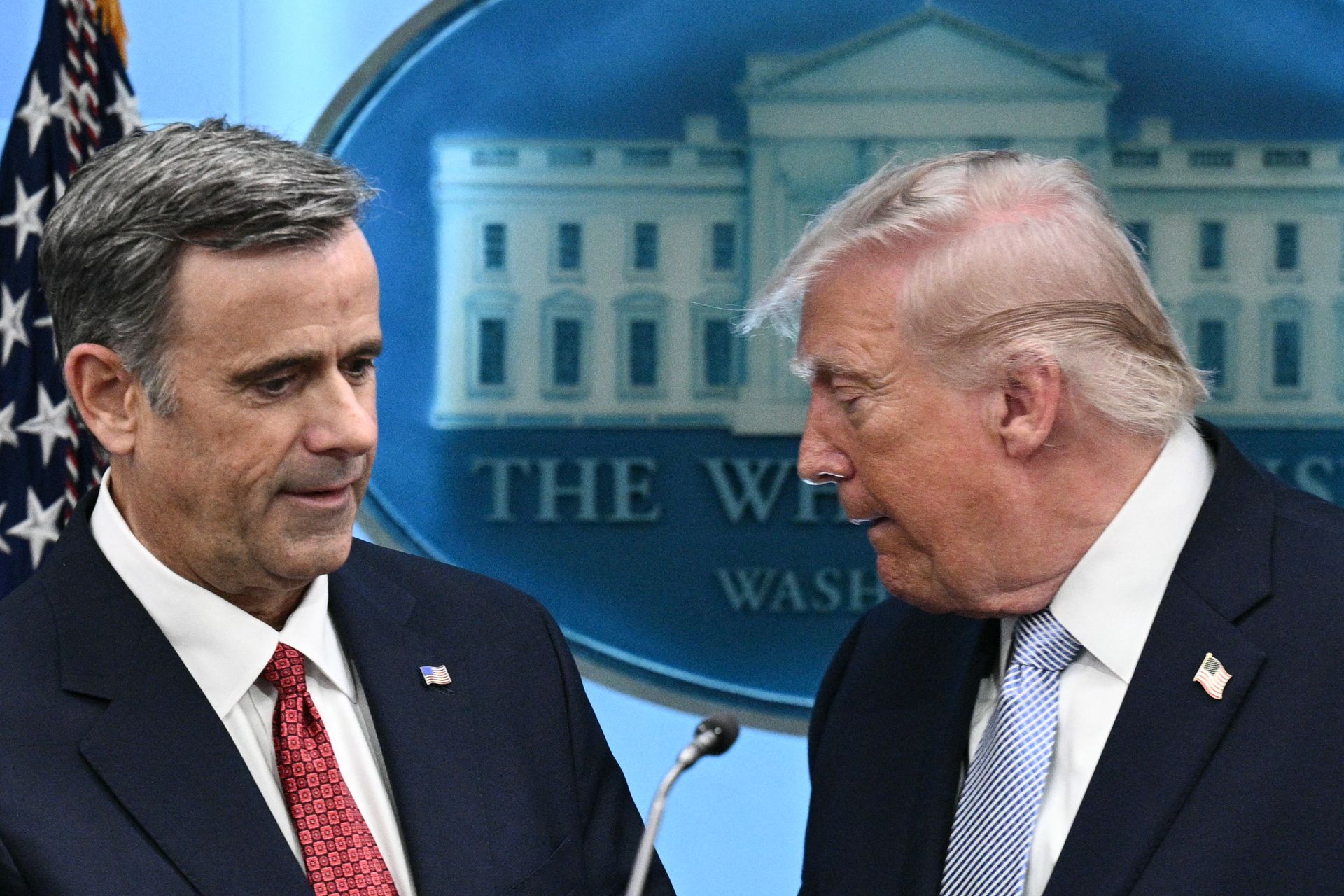
The CIA director's recent trip to Moscow has sparked speculation about its true intentions. While the media has provided information about the visit, it remains unclear whether the purpose was genuine or merely a ploy to convey a specific message. Washington's dialogue with Russia extends beyond Ukraine and the Baltic states, as the latter hold significant importance due to their NATO membership.
Russia's global reach and influence have waned since its invasion of Ukraine, but it continues to be active in various arenas. Russia's ties with China and North Korea have become increasingly asymmetric, to Beijing's advantage. In exchange for Russian support, North Korea has provided troops, missiles, and ammunition, while Moscow has reciprocated with air-defense equipment and electronic-warfare systems.
Any assistance Russia provides to North Korea in advancing its nuclear or missile capabilities is a concern for Washington. The visit may be seen as a warning to Russia against any potential actions in the Baltic region. This would demonstrate that Washington is aware of Moscow's intentions and ready to respond. Although the rhetoric surrounding America's role in Europe has changed recently, U.S. military presence in NATO's eastern flank remains strong.
In August, a large NATO exercise around Kaliningrad involved American and Norwegian forces, as well as electronic-warfare and surveillance aircraft, aerial refueling, Polish ground forces, and NATO command-and-control assets. The U.S. continues to prioritize strategic operations in the region. A possible concern regarding Russia's hybrid escalation against Europe involves the possibility of sabotage against European defense production and logistics, which could directly impact American interests.
Russia might aim to test the Alliance's unity by assessing whether NATO can respond collectively under Article 5. However, this overlooks the military and political reality in the eastern flank. The front-line states, such as Norway, Finland, Estonia, Latvia, Lithuania, and Poland, border Russia and have a close defense cooperation.
They are prepared to activate readiness measures, including mobilizing reserves, before an attack. Estonia, for example, conducts annual snap mobilization practices that take hours rather than weeks. In response, Sweden has deployed fighters and contributed a warship to protect Finnish territory, and has declared readiness to aid in repelling territorial aggression.
Estonia has also practiced annual snap mobilization, which takes only hours, not weeks. The defense of the eastern flank would not solely rely on a consensus in Brussels; national forces would react immediately, and Allied troops are already on the ground. A Russian attack would involve multiple Allies, including Britain, France, Canada, Germany, the Netherlands, and the United States.
Russia would ultimately stand to lose more than it would gain from such an action, as diverting forces from the front line in Ukraine could lead Ukraine to capitalize on any opportunity. Moreover, an attack on NATO would strengthen Europe's resolve and prompt defense spending increases and support for Ukraine.
Written by urgent.news from Kyiv Independent's reporting — not their text. Machine-written — may contain errors; check the original before relying on it.