Is BRICS Losing Its Mojo?
Security matters have rocked the boat, but here’s how to steady it.
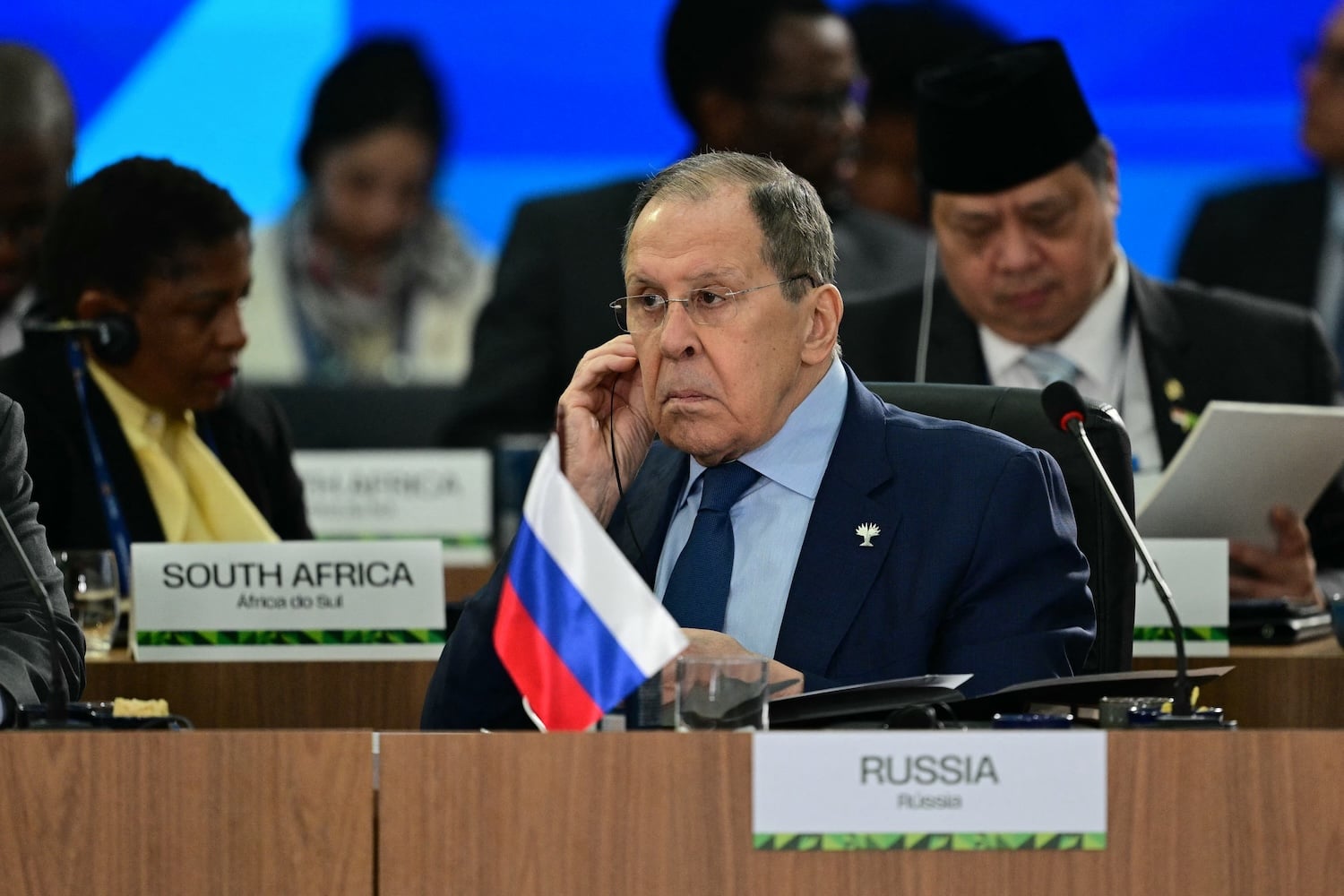
The BRICS grouping of Brazil, Russia, India, China, and South Africa has recently faced a growing undercurrent of anxiety as it prepares for its 18th annual summit in New Delhi on September 12. This once-triumphant group, which expanded to 10 core members and 10 partner countries in 2023, now finds itself struggling to maintain cohesion amidst rising tensions in the global south.
The group's initial expansion, announced at a 2023 summit in Johannesburg, had initially caught the attention of the wealthy West. However, the rapid addition of new members has led to a number of issues that have threatened the group's unity and effectiveness. African members Egypt and Ethiopia, for example, refused to endorse South Africa for a reform of the United Nations Security Council, despite previous commitments to do so.
This lack of solidarity was evident in the failure of foreign ministers' meetings in September 2024 and April 2025 to issue a joint statement.
The rising geopolitical tensions have only complicated matters further. The outbreak of war between the United States, Israel, and Iran in early 2026, which quickly involved the UAE, has led to acrimonious exchanges between Iran and the UAE during BRICS meetings. Iran has insisted that BRICS condemn terrorism should also include "state terrorism," a reference to Tehran's perceptions of the United States and Israel.
Most other members, however, are reluctant to go that far, leading to tense discussions and ultimately, a lack of consensus.
South Africa, which hosted a naval drill that included China, Iran, and Russia, has been criticized for allegedly violating BRICS' orders and characterizing the exercise as "entirely a South African initiative." This has only further damaged the group's image as a cohesive and unified force.
Despite these challenges, it would be a mistake to call BRICS a failure. In less than two decades, the group has succeeded in creating the first truly transcontinental club outside the wealthy West, with membership spanning all regions of the global south. Its New Development Bank has functioned for a decade with high credit ratings, and interactions between BRICS states have helped forge better policy alignment across a range of issues important to the global south.
However, as conflict continues to spread, more BRICS states are finding themselves drawn into taking sides, making it increasingly difficult to maintain a neutral stance. The club's origins in economic and financial matters may provide a path forward, but the increasing focus on security issues and the potential for BRICS states to pick sides make it uncertain whether BRICS can continue to stay away from the security agenda altogether.
Written by urgent.news from Foreign Policy's reporting — not their text. Machine-written — may contain errors; check the original before relying on it.