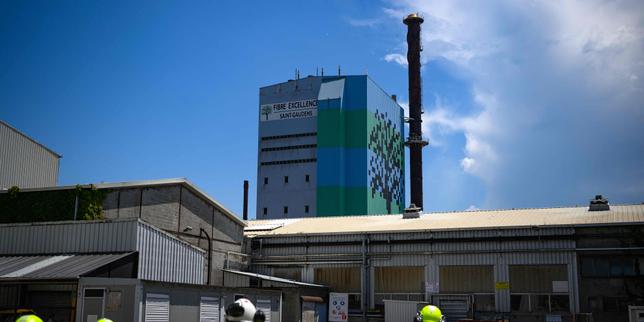
Indra quiere liderar la consolidación del sector espacial
Desde la compañía se aboga por que Europa alcance la autonomía estratégica en el ámbito espacial y pone en valor su papel en algunos programas comunitarios relevantes, como Iris, considerado una especie de Starlink del Viejo Continente. Leer
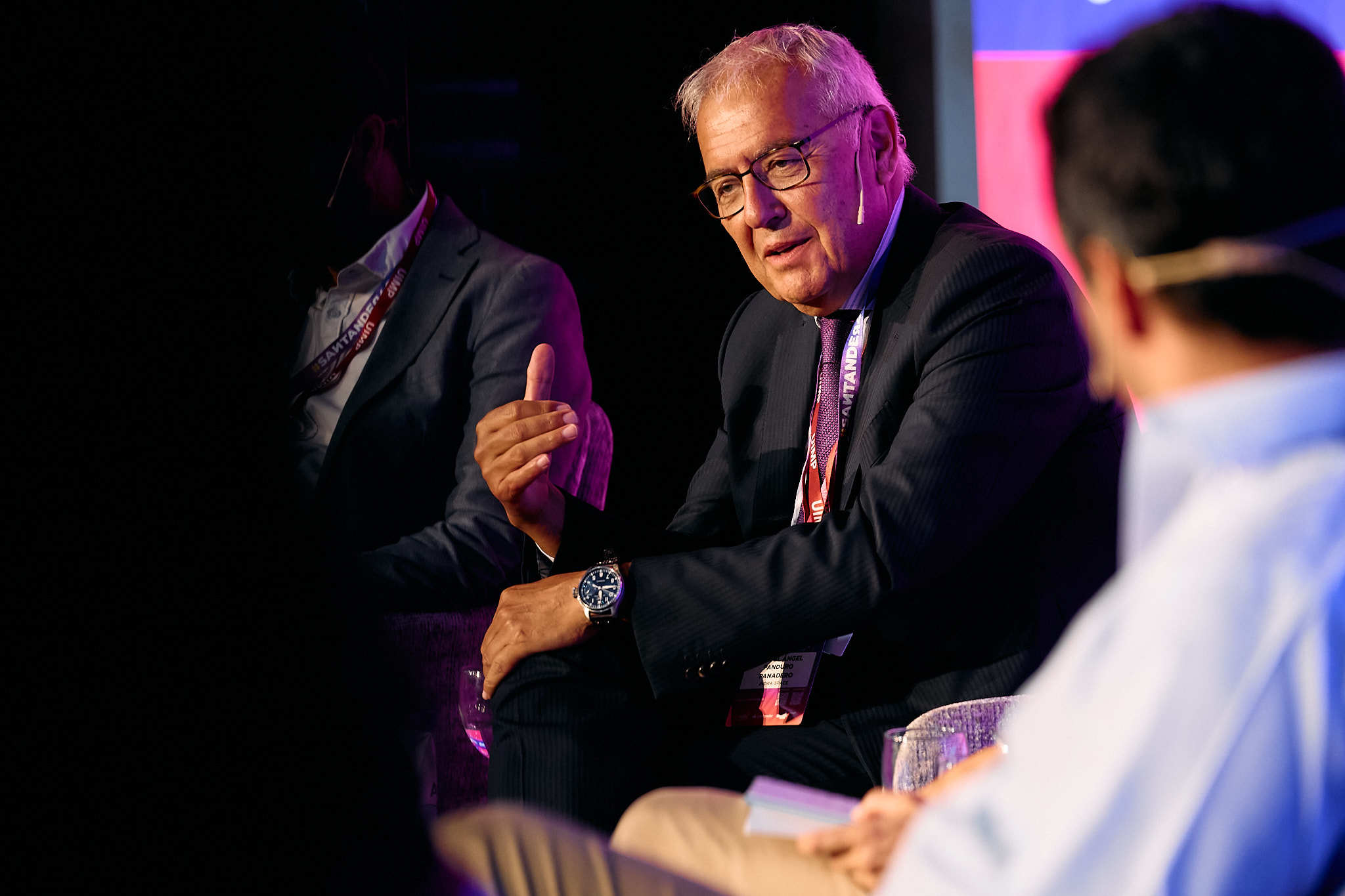
Indra seeks to lead the consolidation of the space sector, according to Miguel Ángel Panduro, the director general of Indra Space. Europe aims for strategic autonomy in the space realm and values its role in relevant community programs, such as Iris, which is seen as a European version of Starlink. Panduro highlights that Europe is losing strength in the space sector, despite Spain's increased investment and better position compared to the rest of the Old Continent.
He advocates for focusing on strategic autonomy, which encompasses defense, security, and possessing one's own technology. During a speech at the 40th Encounter of the Digital Economy and Telecommunications organized by Ametic in the UIMP of Santander, Panduro stated that space has become an absolutely transversal sector, comparable to AI, and is undergoing an authentic revolution.
He believes a struggle will emerge to dominate space, but warns that it offers opportunities and generates bubbles, requiring caution when selecting partners and building trusting relationships, both among governments and companies. The traditional value chain, where each company operated profitably within its niche, has broken due to the increasing vertical integration of companies seeking to encompass more activities and directly provide services.
Indra aims to become a provider of space solutions and lead the consolidation process of the space sector to grow and compete for medium and large contracts. However, the European space market is marked by the Bromo Project, the initiative to merge Airbus, Thales, and Leonardo's space businesses. Panduro believes this movement will have a significant impact on the space and defense sectors, as one of the main problems in Europe and Spain is the reduced size of companies and the fragmentation of the ecosystem.
He values the importance of having companies of certain sizes. Panduro also noted that Indra has not concealed its ambition to lead the consolidation process since completing the purchase of Hispasat from Redeia for 725 million euros. His first result as part of the company's strategy was the role secured by Hispasat in Iris2, the European secure satellite communications program, where Indra leads the development of the terrestrial infrastructure through a contract worth over 1.6 billion euros.
He emphasized that while they would like to execute the project alone, they cannot and do not want to. Indra's goal is to lead but share, as the company sees the program as a motor for an industrial ecosystem accustomed to cooperation.
Written by urgent.news from Expansion ES's reporting — not their text. Machine-written — may contain errors; check the original before relying on it.