Indonesian government-supplied meals tested after over 500 students fall ill
JAKARTA: More than 500 students in Indonesia’s East Java were hospitalised with food poisoning suspected to have been caused by state-supplied meals, regional officials said on Wednesday, as the government works to reform the agency overseeing its ambitious free-meals scheme.
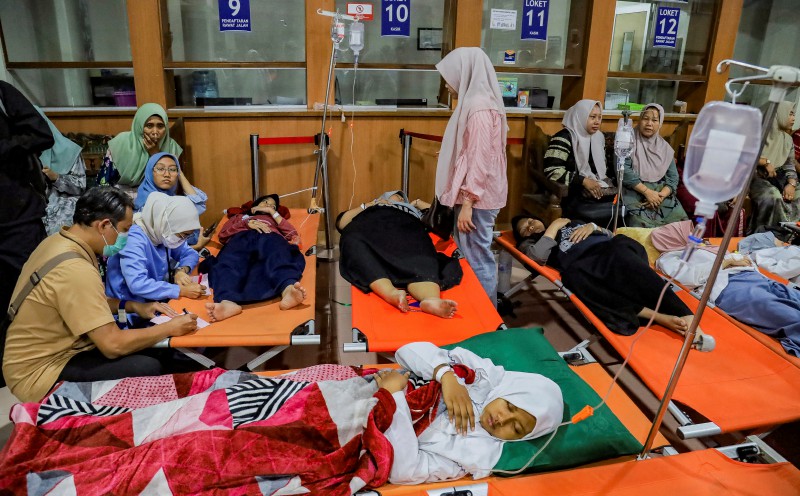
More than 500 Indonesian students in East Java were hospitalized on Tuesday with suspected food poisoning after consuming state-supplied meals, according to regional officials. The government, which launched a multibillion-dollar free-meals program last year to combat under-nutrition, is investigating the cause of the illness. President Prabowo Subianto's ambitious initiative has faced controversies, including food poisoning, corruption allegations, leadership changes, and a high price tag.
In Sidoarjo, East Java, deputy governor Emil Dardak informed news channel Kompas TV that over 500 students fell ill on Tuesday. The National Nutrition Agency, responsible for overseeing the free-meals program, is examining whether the lunch consumed by the students was the source of the contamination. Subandi, the head of the local government in Sidoarjo, stated that most of the 516 students treated in hospitals have since been discharged.
Police have collected samples from the meals, and a watchdog group called Network for Education Watch reported that there have been 37,600 cases of food poisoning linked to the program as of August 8. Improper food storage and delayed delivery of cooked meals are often cited as reasons for the food poisoning, according to authorities. The National Nutrition Agency has shut down numerous kitchens due to violations of quality standards.
The new head of the agency has pledged to reform the program, having already closed hundreds of kitchens for various reasons. However, the agency has undergone multiple leadership changes, including one forced by the arrest of the former head in June on corruption allegations. The government has also reduced the scope of the scheme, leading to concerns among investors about the program's cost and its contribution to a larger national fiscal deficit.
A survey by pollster Saiful Mujani Research and Consulting in July revealed that only one-third of people were satisfied with the free-meals program, with the reported cases of poisoning cited as a significant reason for dissatisfaction.
Written by urgent.news from New Straits Times's reporting — not their text. Machine-written — may contain errors; check the original before relying on it.
Also reported by 1 other outlet
- Indonesian government-supplied meals tested after more than 500 students fall ill freemalaysiatoday.com