Indian man living in Norway compares elderly care systems: ‘We mix love with duty, money’
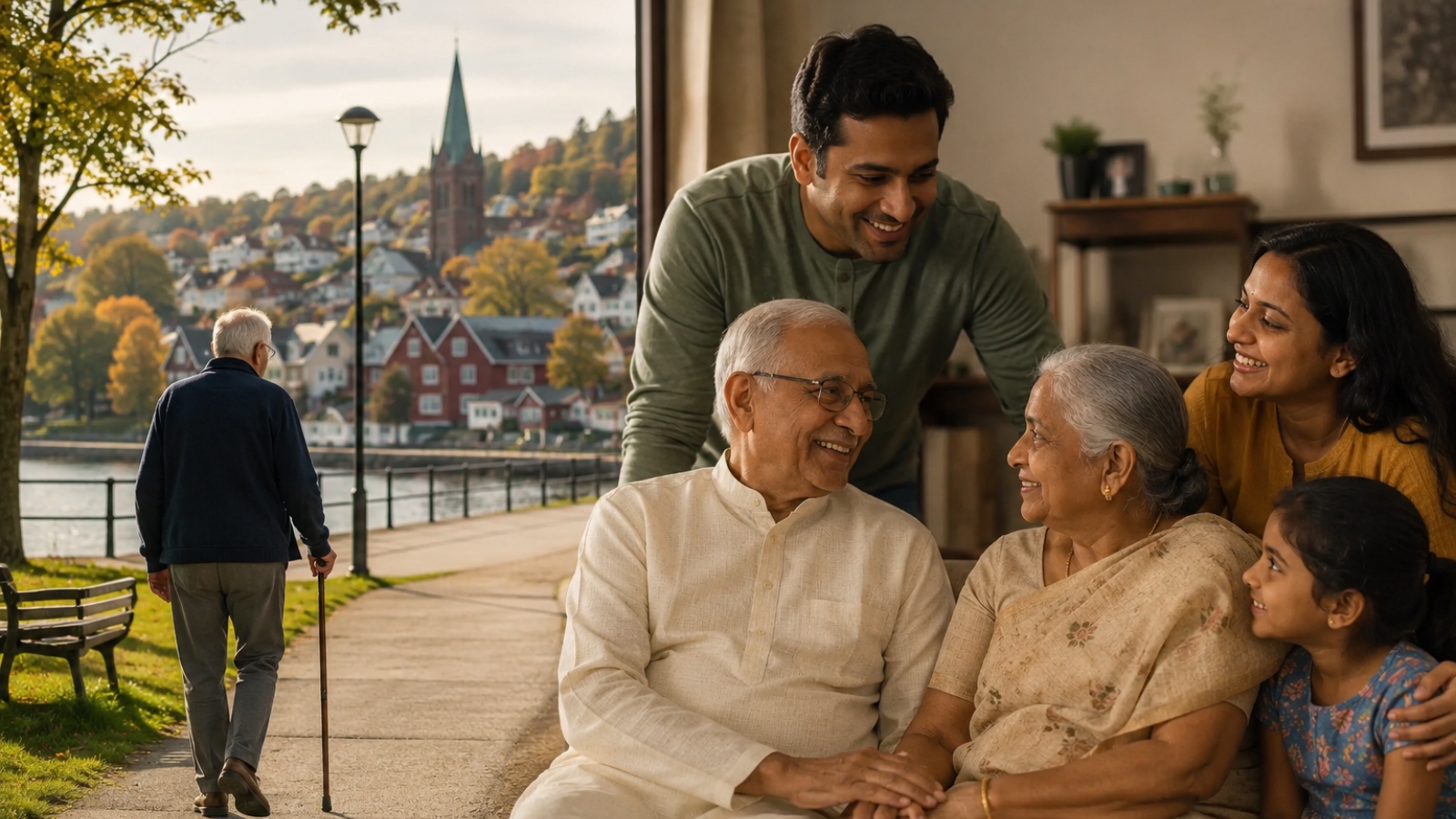
An Indian man residing in Norway has ignited an online discussion by contrasting the elderly care systems in both countries. In a post on X, Vinod highlighted how elderly parents in Norway generally prefer to maintain their independence, living in their own homes or in well-managed care facilities where they receive assistance with meals, activities, and medical care while preserving their autonomy.
However, Vinod emphasized that this does not automatically lead to emotional estrangement. Families still engage in regular activities, such as weekend meetings, family gatherings, and holiday trips, ensuring they remain connected without burdening the elderly on financial grounds. According to Vinod, the Norwegian system aims to ensure that an elderly person's quality of life isn't dependent on their children's financial status, availability, or personal characteristics.
In contrast, he pointed out the societal pressure and potential stigma faced by Indian families when placing aging parents in care homes. Such a move can invite criticism from relatives, neighbors, and society at large, he mentioned. Vinod further discussed the financial constraints faced by many middle-class Indian families, who must balance their own job responsibilities, mortgage payments, children's education expenses, and their aging parents' medical costs.
He noted that some parents might be reluctant to openly discuss their needs for fear of being perceived as a financial burden on their children. Vinod concluded that while love for parents is universal, the Norwegian approach blends love with responsibility, financial considerations, and the notion of interdependence. He advocated for a system that allows elderly citizens to age with dignity and financial independence, without guilt or dependence on their children.
He questioned whether India should develop such a system, framing it as crucial as education for children. The post generated a variety of responses on X, with users debating the feasibility of implementing a similar model in India. Some argued that the comparison did not account for the cultural and social differences between the two nations, emphasizing the value of the joint family system in India.
Others agreed that India needs improved systems to support older people's independence, while acknowledging the affordability challenges, especially for the middle class. A few users supported Vinod's argument, suggesting that increased state support could alleviate the financial strain on families and enable them to offer more care to their aging parents while maintaining their own financial freedom and personal growth.
Written by urgent.news from The Indian Express's reporting — not their text. Machine-written — may contain errors; check the original before relying on it.