‘If you can’t beat ’em, eat ’em’: Italy is turning its hated invasive crab into a multimillion-dollar business
After revenues plunged 75% amid the crab invasion, one fishing cooperative expects $23 million in sales this year, mostly from crab.
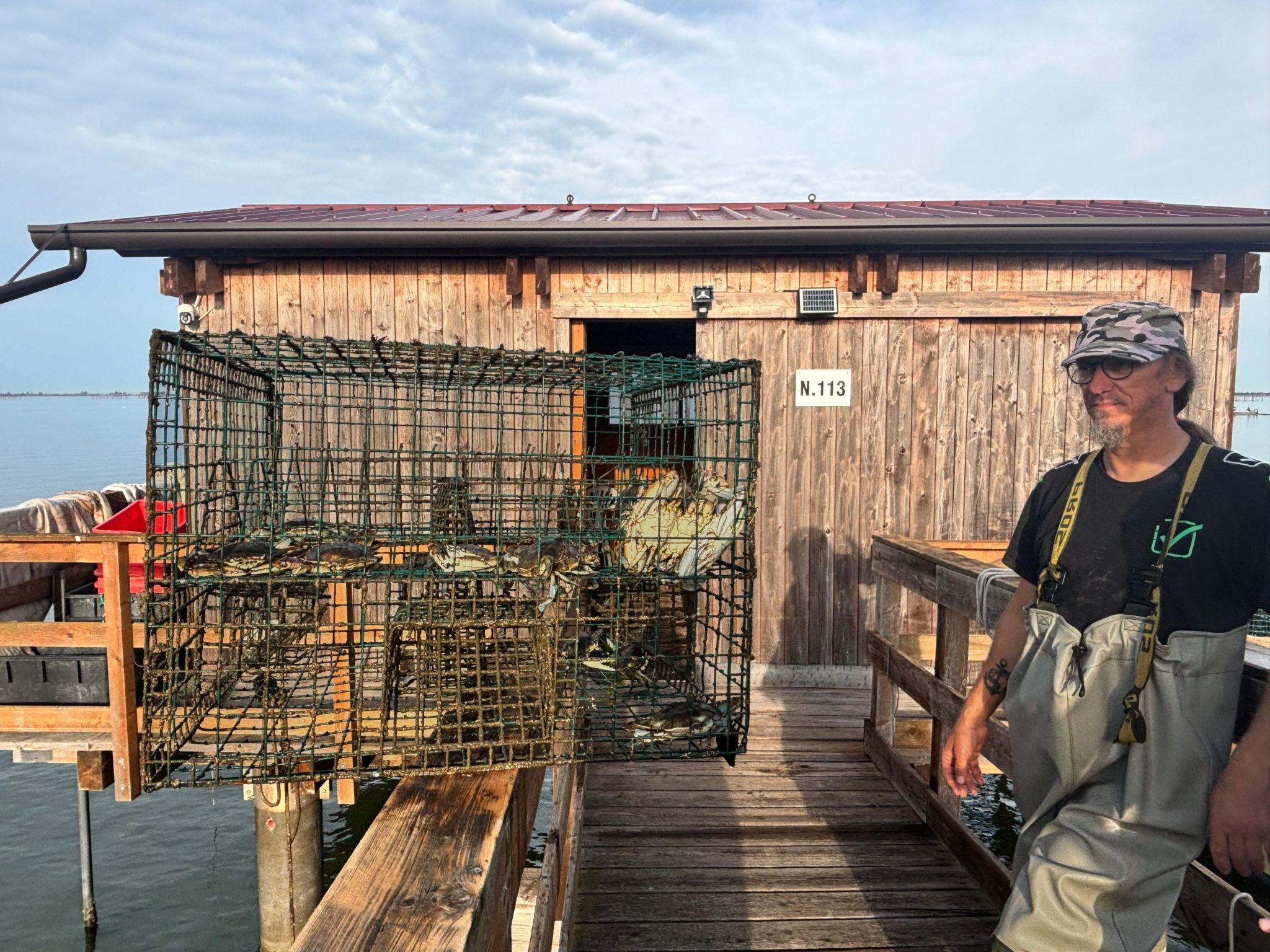
Italian fishermen have turned the invasive Atlantic blue crab into a lucrative business after years of burning most of the catch. The Atlantic blue crab, which arrived in the Adriatic Sea since the 1940s, devastated the region's Manila clams and mussel beds in the Po River Delta. The local Polesine Fishermen’s Cooperative Consortium saw its revenues collapse by 75% due to the crab invasion, from 15 million euros ($17 million) to 15 million euros ($17 million) in 2024 and 2025, with active members dropping from 1,500 to 850.
To salvage their livelihoods and preserve Manila clams and mussels, fishermen have pivoted to exporting unwanted crabs. Federico Zago, cooperative president, stated they have sold every crab caught so far this year, eliminating the need for costly incineration. The industry forecasts €20 million ($23 million) in revenue this year, mostly from crab sales.
Italian climate change experts believe the crabs thrive due to warmer temperatures and drought-induced drops in Po River levels, allowing the crabs to infiltrate freshwater tributaries. Despite the government's eradication program, which paid fishermen to catch and incinerate nearly 2.3 million kilograms (5 million pounds) of crabs over two years, the invasive population remains resilient.
The crabs are now shipped to Sri Lanka, where they are processed into various products. Local fishermen hope the blue crab will eventually become a desirable delicacy in Italy, helping to rehabilitate the crab's image and provide a more profitable alternative to the now-dwindling clam and mussel industries.
Written by urgent.news from Fortune's reporting — not their text. Machine-written — may contain errors; check the original before relying on it.