IEA describes gov’t proposals on women, marginalised groups in Parliament ‘grossly insufficient’
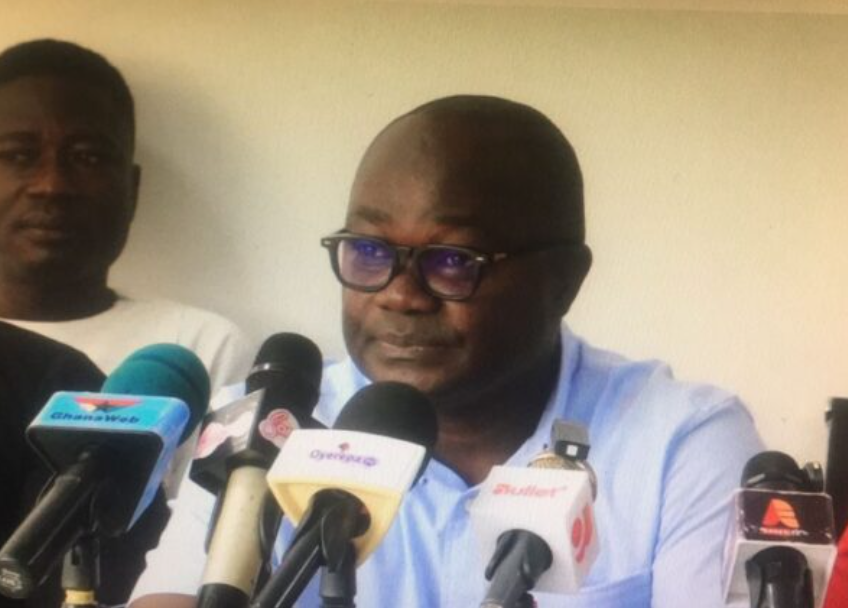
The Institute of Economic Affairs (IEA) has described proposals by the government and the Constitution Review Committee to improve the representation of women and other marginalised groups in Parliament as “grossly insufficient”.
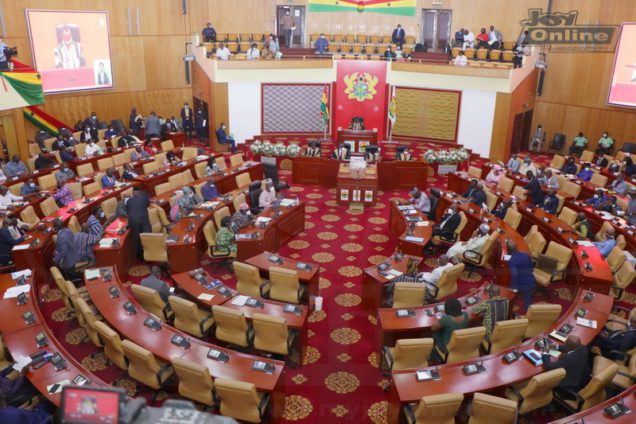
The Institute of Economic Affairs (IEA) has labeled the government and Constitution Review Committee's proposals to boost women and marginalised groups' representation in Parliament as "grossly insufficient". In a recent constitutional review statement, the IEA advocated for a more extensive proportional representation system and compulsory quotas across public institutions.
The government's proposal caps Parliament at 300 members, including 276 constituency representatives and 24 additional members elected via proportional representation. These additional seats would go to women, persons with disabilities, and young people, contingent on a feasibility study.
However, the government dismissed the Prempeh Committee's more comprehensive suggestion to adopt proportional representation as a general approach for elevating women and other under-represented groups, restricting it solely to the 24 additional seats. The IEA contends that the government's and Prempeh Committee's proposals are "grossly insufficient".
Instead, it suggested a system wherein political parties nominate women and members from other marginalised groups based on the percentage of votes they receive in an election.
Furthermore, the IEA pushed for mandatory quota and non-quota measures to ensure that every public institution includes at least 30 percent of each gender and other specified groups. In District Assemblies, the Prempeh Committee proposed restructuring the 30 percent appointed membership by incorporating quotas for traditional authorities, women, businesses, persons with disabilities, youth, and non-governmental organisations.
Conversely, the government prefers to maintain the existing one-third appointed membership, with the selection criteria determined under the Local Government Act. The IEA emphasized the necessity for more robust constitutional measures to tackle the persistent under-representation of women and marginalised groups in Ghana's political institutions.
Written by urgent.news from MyJoyOnline Ghana's reporting — not their text. Machine-written — may contain errors; check the original before relying on it.