Haze caused by many factors, but repeat of 2015 crisis unlikely due to later onset of El Nino: Experts
This means that the effects of this year’s El Nino will have a shorter overlap with the traditional dry season.
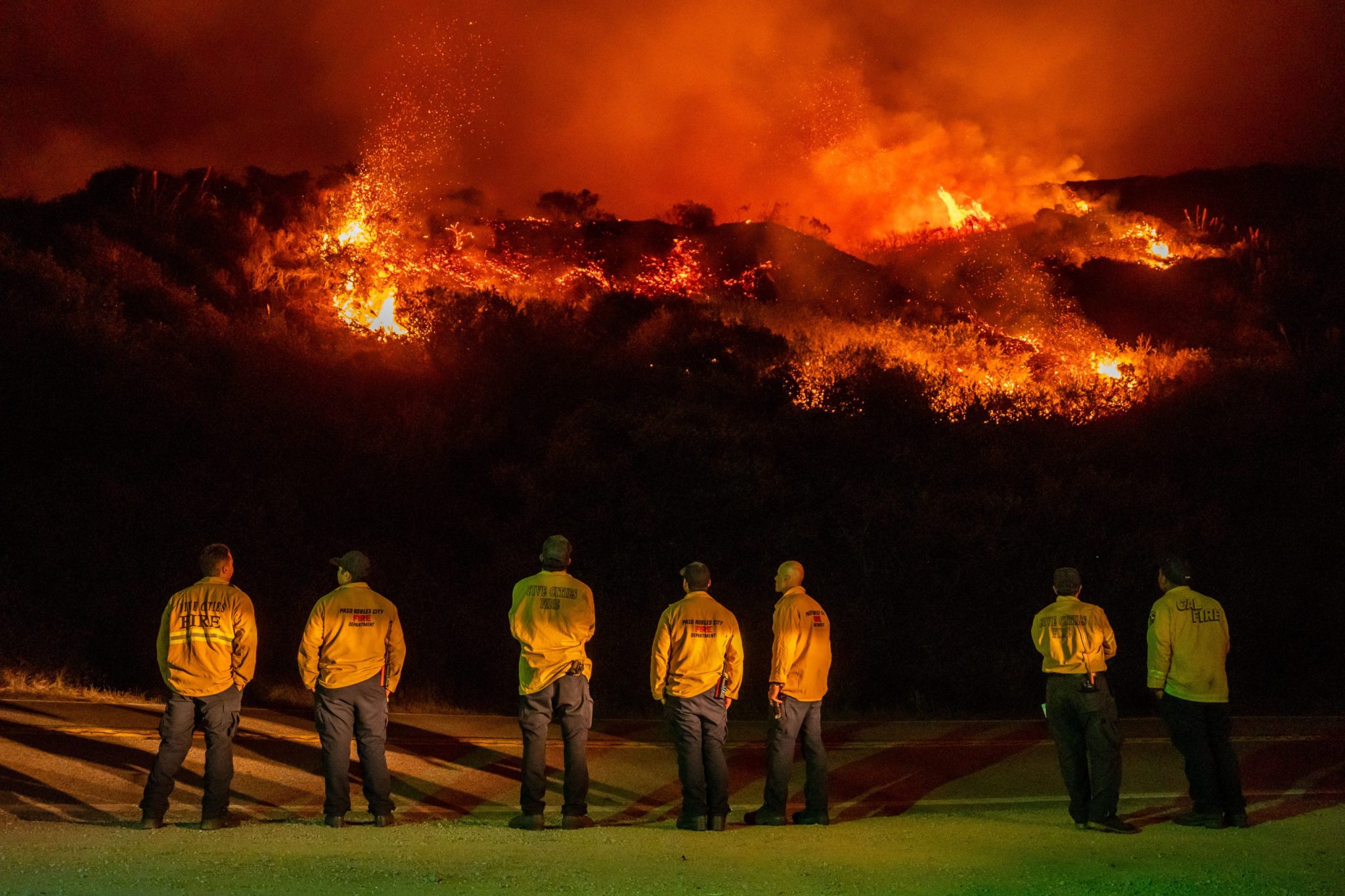
Since August, many Southeast Asian countries, including Indonesia and Malaysia, have been engulfed in a persistent haze caused by raging fires in Indonesia. The haze has been visible over Sumatra and Kalimantan since August 21. Forest fires in Indonesia are more easily ignited during the dry season, which usually persists from June to October.
This year, the fire season has been exacerbated by an intense El Nino phenomenon, leading to hotter and drier weather conditions. These factors have brought back memories of the region's worst air pollution crisis in 2015, when the Pollutant Standards Index (PSI) reached hazardous levels, forcing schools to close for a day and causing over half a million respiratory infections in Indonesia.
However, experts from the National Environment Agency (NEA) and the National Institute of Education are confident that a repeat of the 2015 disaster seems unlikely this year. This is primarily because the onset of El Nino occurred later in June, which results in a shorter overlap with the traditional dry season. Nonetheless, other factors such as wind direction, the extent of burning, and ground-level measures to suppress fires can also impact the severity and duration of haze episodes.
Typhoons near Singapore, such as Narra and Saudel, can also contribute to hazy conditions by strengthening southward winds and promoting the spread of transboundary haze. Although the 2026 El Nino has started later than the 2015 cycle and has resulted in fewer hotspots over Sumatra and Kalimantan so far, the NEA remains vigilant and emphasizes the importance of ground fire suppression efforts and enforcement to prevent the worst impacts.
Written by urgent.news from Straits Times's reporting — not their text. Machine-written — may contain errors; check the original before relying on it.