Gulf’s biggest port Jebel Ali waits for the war to end
Six months into the Iran war, Dubai’s port operator is spending $100 million a month to keep its flagship facility ready for a recovery.
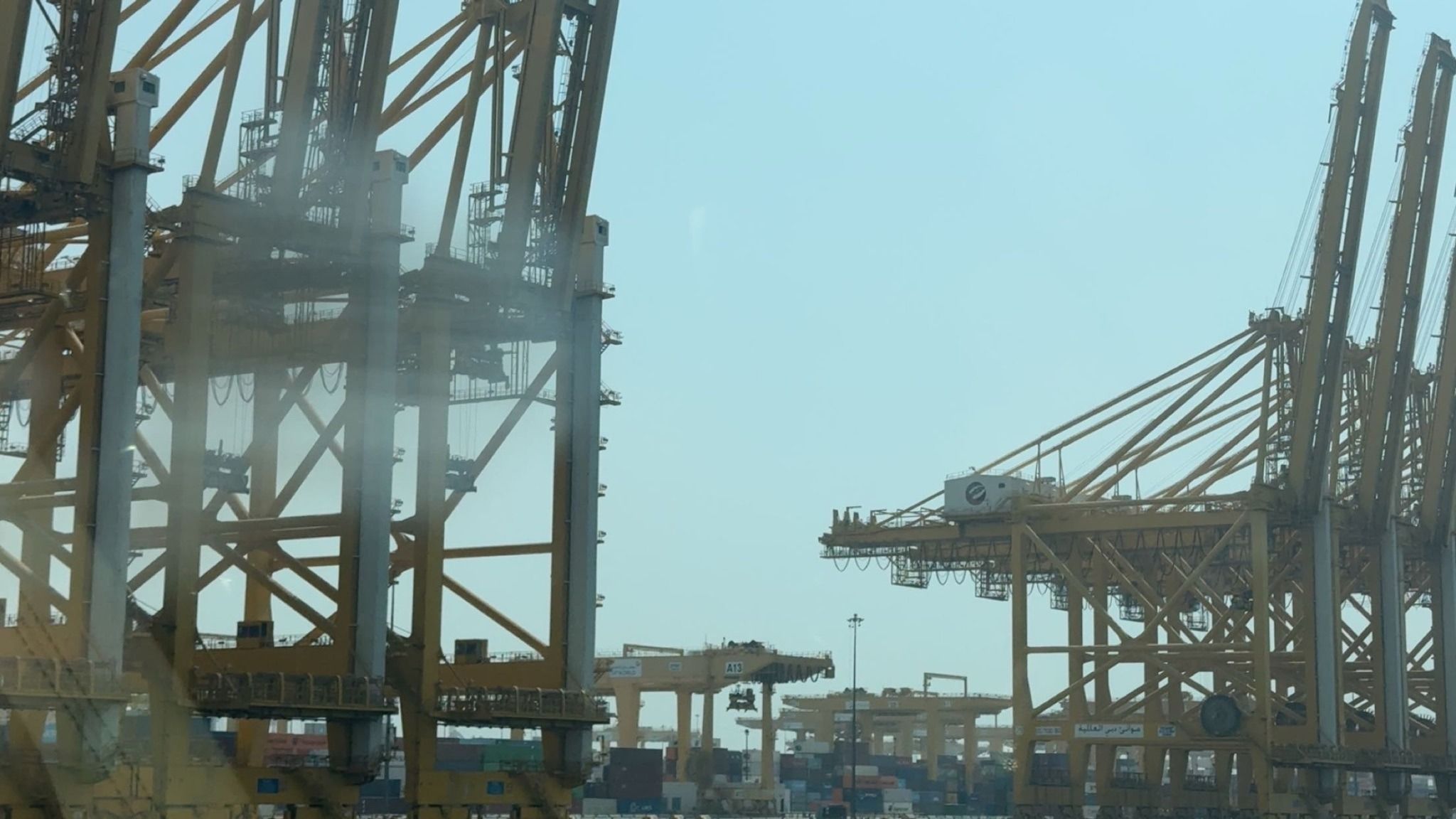
Jebel Ali, one of the world's largest container ports, is currently experiencing a dramatic decline due to the ongoing conflict in the Gulf. The port, which handled 15.5 million TEUs in 2024, saw a staggering 90% drop in activity during the second quarter of this year, with only a handful of container ships transiting through the Strait of Hormuz compared to the 90 daily trips before the war. The situation has left the port with stranded containers piling up in its yards, and many tenants having shut down operations.
Dubai's DP World, the government-owned port operator, is investing heavily in measures to resume operations swiftly if the conflict ends. The company is spending approximately $100 million each month on prewar costs, aiming to return to full capacity within 48 hours. DP World is also developing advanced technology like "BOXBAY," a towering steel structure designed to handle containers efficiently.
This prototype has already processed nearly 500,000 TEUs in trials, with a full-scale version set to launch at the London Gateway port at a cost of £170 million.
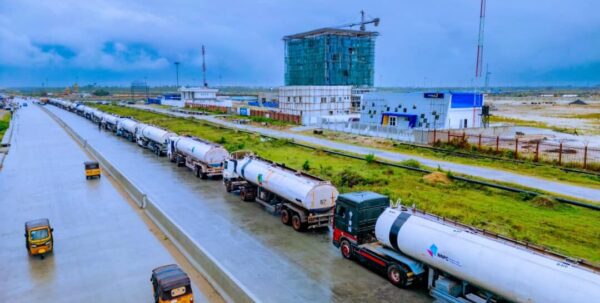
The conflict has disrupted the traditional shipping network, forcing cargo to be rerouted overland from the UAE's east coast ports of Khor Fakkan and Fujairah. Truck queues can reach up to 12 hours long, with a turnaround time of 27 minutes at Jebel Ali, compared to the normal shipping turnaround of just 27 minutes. While DP World is building new terminals in Fujairah to diversify their operations and reduce dependency on the Hormuz strait, the overland route remains significantly more expensive, around four to five times the cost of shipping through Hormuz.
Written by urgent.news from Semafor's reporting — not their text. Machine-written — may contain errors; check the original before relying on it.