Global bond yields surge as debt and inflation risks mount
Global bond markets are experiencing a significant selloff as inflation concerns grow. Government debt levels are increasing, impacting consumers and businesses worldwide. Japan's 10-year yield reached three percent, its highest since 1996. Wars and increased deficit spending are contributing to higher oil prices and interest rates. This situation puts pressure on borrowing costs for both public…
Global bond yields have surged unexpectedly, driven by mounting concerns over inflation and soaring government debt levels. Japan's 10-year yield reached 3% for the first time since 1996, while Germany and the UK saw their yields spike to their highest levels in 15 years and 2008, respectively. The US 10-year yield climbed 3 basis points to 4.788%, nearing its highest level since 2023.
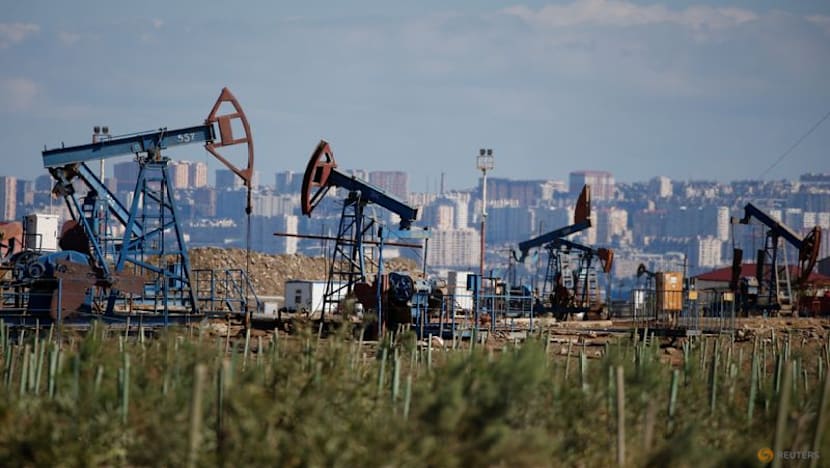
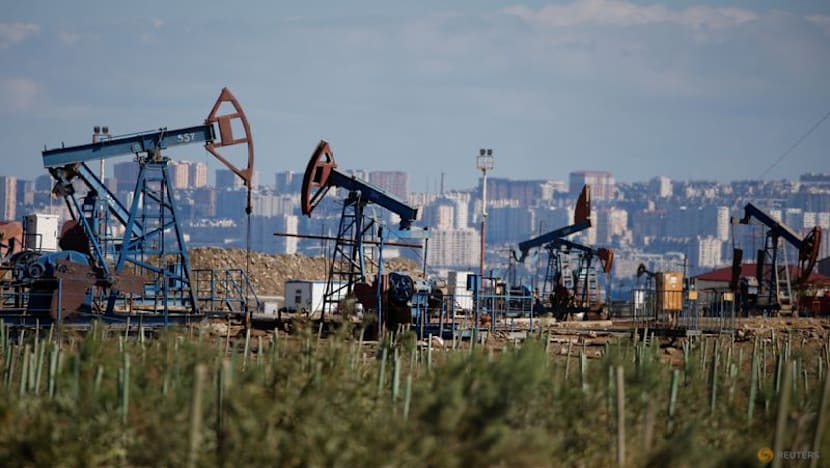
Many leading economies, including the US, have accumulated substantial debt through deficit spending, with the US debt exceeding $40 trillion. This debt burden is expected to be structural, not temporary, and will require significant national-level decisions to address. Rising oil and gas prices, fueled by conflicts in Russia-Ukraine and the Middle East, have further heightened the pressure on interest rates and the cost of living.
David Krakauer, a portfolio management expert, attributes the situation primarily to domestic factors such as deficit spending, servicing the growing debt, and altered Treasury auction dynamics, where private buyers have replaced central banks as dominant price-insensitive participants. The deluge of bond sales by tech companies funding the AI boom is also adding to the market pressure.
Governments are increasingly concerned, with the US Treasury intervening last month to stabilize borrowing costs, which could translate to higher rates for various consumer and business loans. The 30-year Treasuries are nearing their highest levels in 19 years. HSBC's chief Asia economist, Frederic Neumann, notes that developed markets are experiencing rising funding costs due to increased borrowing needs from both public and private sectors.
Written by urgent.news from The Economic Times - Top News's reporting — not their text. Machine-written — may contain errors; check the original before relying on it.