Fierce division over highly flammable grass pastoralists rely on
Buffel grass is thriving and spreading across South Australia, increasing the risk of bushfires. But not everyone agrees on how to manage it.
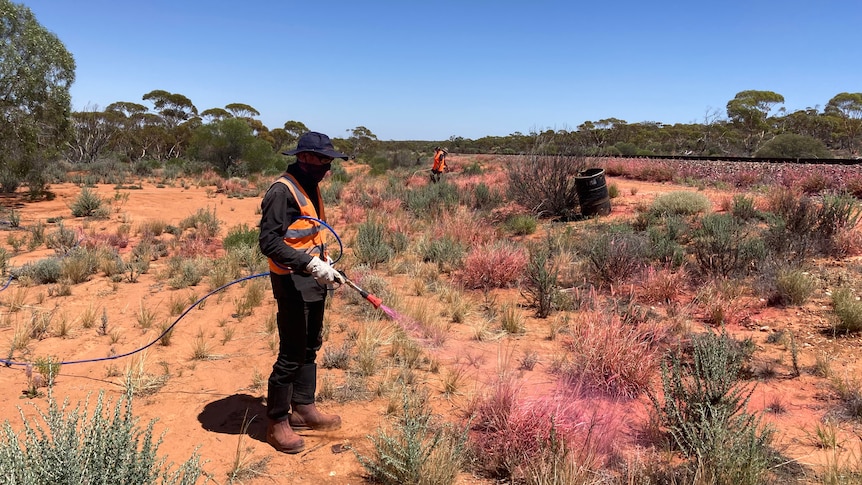
A parliamentary inquiry in South Australia is investigating the management of buffel grass, a highly flammable and invasive plant that is thriving due to recent heavy rains. Buffel grass, native to Africa and Asia, was introduced to Australia in the 19th century for its use as livestock feed and soil improvement. However, its rapid growth and spread have raised concerns about its impact on native vegetation and increased fire risk.
The Australian and New Zealand Council for Fire and Emergency Services predicts a heightened bushfire risk in South Australia this spring, with buffel grass being a particular concern. A parliamentary inquiry, chaired by MP Erin Thompson, is examining current and future management strategies to halt the spread of buffel grass across the state.
Alison May, CFS director of community risk, resilience, and planning, emphasized that buffel grass continues to grow and dry out during spring, posing a significant threat to bushfire risk. She stated that her team is working with fire response agencies to determine the best approach to managing the weed.
However, not everyone shares the same view on the issue. Livestock SA chair Gillian Fennell highlighted the value of buffel grass as a feed source for pastoralists in arid areas, noting its role in stabilizing creek beds and soil. She suggested that a balanced approach should be taken, acknowledging both the benefits and drawbacks of buffel grass management.
Written by urgent.news from ABC News AU's reporting — not their text. Machine-written — may contain errors; check the original before relying on it.