Faisal Islam: Why bond market wildfire is keeping world leaders up at night
Huge AI spending plans and the ongoing war in Iran are driving up borrowing costs around the world.
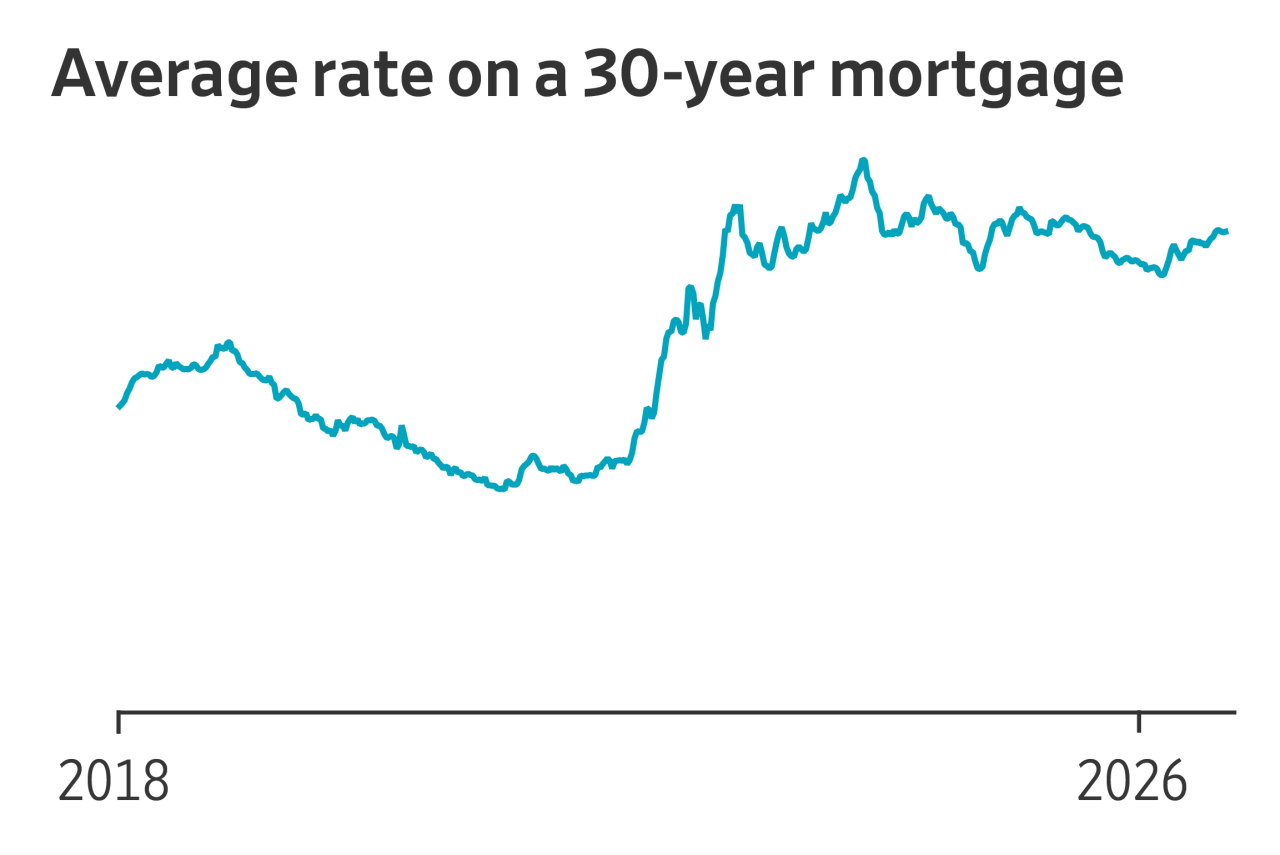
The bond markets are experiencing a significant wildfire, causing concern among world leaders. Many countries are facing interest rates at multi-decade highs, and the lending market for governments appears to be changing fundamentally. The ongoing closure of the Strait of Hormuz and renewed tensions between the US and Iran have pushed up inflation, leading to expectations of higher interest rates in major economies.
Markets had hoped that these tensions would subside before the US midterm elections in November, but this has not happened, resulting in higher energy prices, persistent Gulf crisis, and longer periods of inflation, thus driving up interest rates.
Beyond government borrowing, large tech companies like Google, Amazon, and Meta are also turning to bond markets to raise billions of dollars for investments in AI data centers. Over $219 billion of debt has already been issued this year by these hyperscalers, nearly a third in currencies other than the dollar. This surge in borrowing has increased competition in the market and pushed up the cost for governments.
Japan, with the highest debt burden relative to its GDP, is another major borrower, facing 30-year high government bond yields due to the central bank's interest rate increase aimed at combating rising inflation. The declining value of the yen further complicates the situation. The changing dynamics of global money flow have implications for UK borrowing costs.
The credibility of major countries' borrowing plans is the primary factor driving up rates, not fears of countries going bankrupt. Influential economists attribute this to factors such as AI competition in bond markets and uncertainty about US policy, particularly the efforts by the US government to manage surging yields.
The UK's political instability, including multiple prime ministers, chancellor changes, and policy U-turns, has contributed to a higher borrowing cost, despite a landslide majority for the Labour party. Despite the economic growth exceeding peers in 2026, despite the energy price spike, Labour's inability to push through major structural reforms has raised concerns about the coherence of Burnham's broader plans.
Former economic adviser Lord O'Neill suggests that the 10-year plan, expected in November, should outline how the government will tackle excessive spending to regain investor confidence.
Written by urgent.news from BBC Business's reporting — not their text. Machine-written — may contain errors; check the original before relying on it.