Exclusive-Banks rush to swap higher-risk credit assets for BoE cash
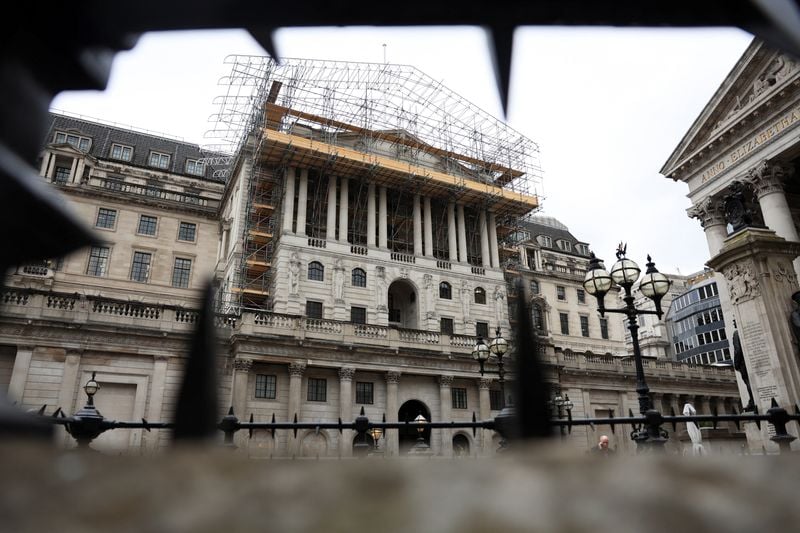
British banks are rapidly exchanging higher-risk credit assets, such as loans tied to store cards and vehicle leases, for cash from the Bank of England (BoE). A review of BoE filings reveals that, as of August 18, banks pledged £1.9 billion worth of the BoE's highest-risk collateral type at a weekly auction for six-month funds. This amount represents the highest since March 2020 and tripled compared to the previous week.
The BoE currently holds approximately £17.8 billion of what it calls Level C collateral, up from £8.7 billion a year ago and under £1 billion in mid-2024. These transactions highlight the extent to which the BoE is exposed to potentially illiquid, higher-risk assets. The European Central Bank (ECB), on the other hand, has tightened its criteria for acceptable collateral in recent years, concerned that central bank approval could increase demand for risky securities that may be difficult to sell in a crisis.
The BoE maintains that the Indexed Long-Term Repo (ILTR) is designed to allow firms to use a broad range of assets as collateral while protecting itself through robust risk management. The growing use of Level C collateral for receiving cash from the BoE is an intended consequence of the BoE's 2022 decision to unwind £895 billion of quantitative easing, which flooded the financial system with cash.
However, there are concerns that excessive borrowing of Level C assets may encourage risky lending. The BoE charges banks higher interest rates and applies larger haircuts to riskier assets, limiting the amount lent to protect itself from losses. The non-BoE market for these assets may not be as active due to a lower appetite for credit in private markets.
Written by urgent.news from Investing.com's reporting — not their text. Machine-written — may contain errors; check the original before relying on it.
Also reported by 1 other outlet
- Banks rush to swap higher-risk credit assets for BoE cash: Reuters seekingalpha.com