Urgent.News

What's breaking now, across thousands of outlets.

Business

Ets, il nodo delle minori tutele per i settori a rischio delocalizzazione

Anche i sindacati in allerta per la revisione dell’Emission Trading System (Ets), il sistema europeo di scambio di quote di emissione di gas a effetto serra, che l’Ue ha avviato...

Ets, il nodo delle minori tutele per i settori a rischio delocalizzazione

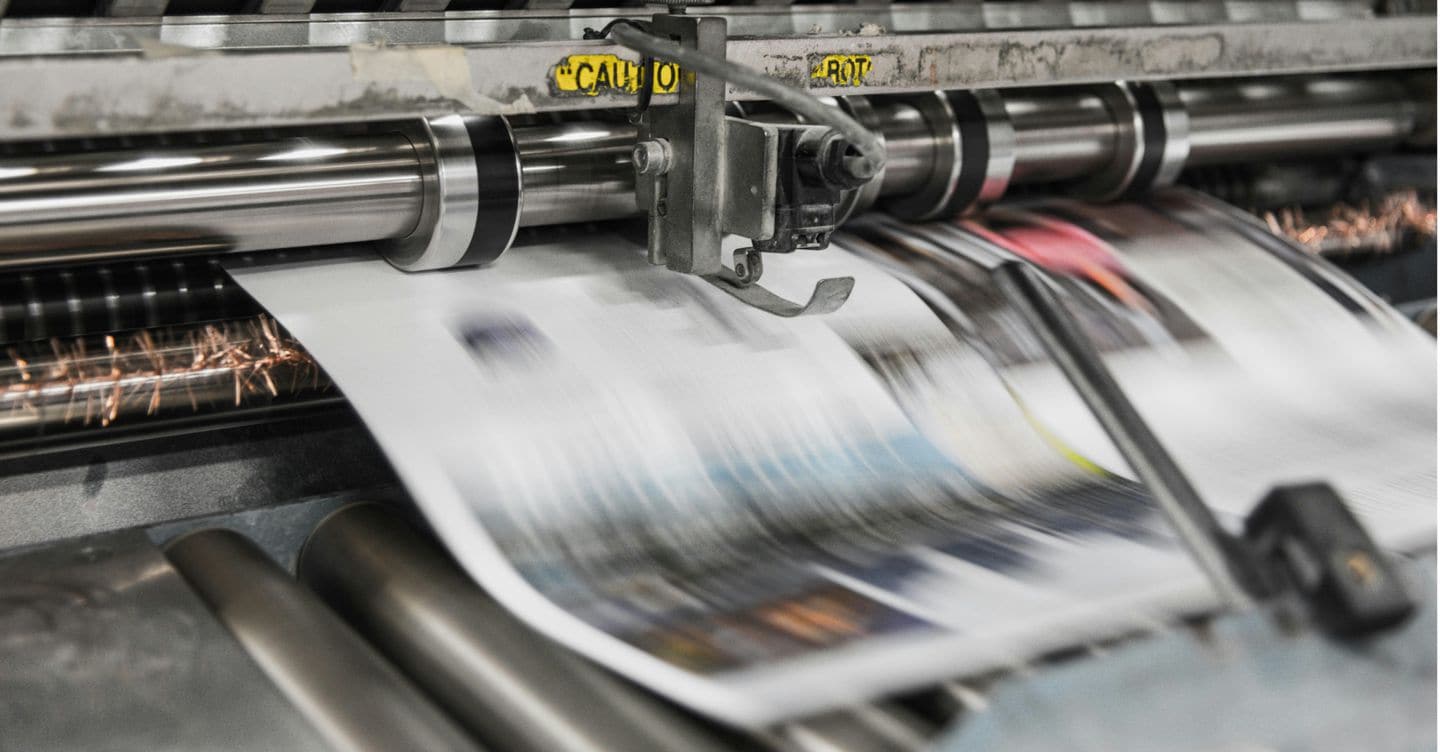
The Emission Trading System (Ets), Europe's greenhouse gas emission allowance trading system, has sparked concern among unions as they review its revisions. The sectors heavily impacted by the costs associated with the Ets include paper, graphic industries, printing, communication, and other energy-intensive industries. The European Commission's proposal for revising the Ets must be amended to ensure that the path towards climate neutrality by 2050 does not compromise European industry competitiveness or lead to production relocation to countries with lower environmental standards and CO2 costs.

This position is shared by Assocarta, Assografici, Slc-Cgil, Fistel Cisl, Uilfpc, and Ugl Chimici. They argue that the progressive reduction of exemptions for sectors exposed to carbon leakage, such as paper and pulp, could result in fewer jobs. The associations and trade unions emphasize the need to ensure full protection for all businesses at risk of delocalization by freezing the reduction of benchmark values set for 2025.

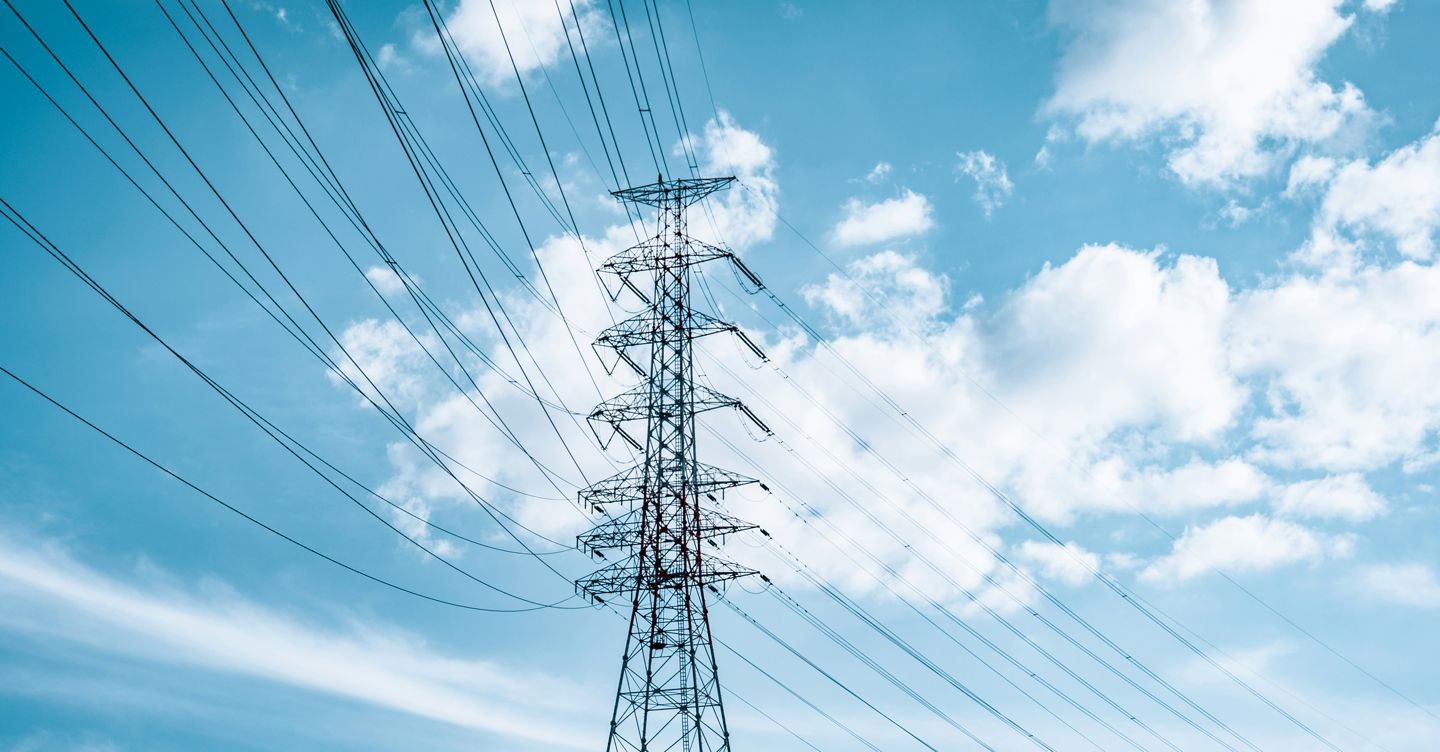
The paper industry is also concerned about compensating for indirect CO2 costs imposed on states, the asymmetry of exports to countries without equivalent burdens as the Ets, and the role of the Market Stability Reserve in stabilizing CO2 prices. The emissions trading node and summer energy issues remain a source of worry for the paper industry, which is also crucial to the circular economy tied to this material.

However, the need for change in the mechanism was also conveyed by the Italian government. The president of Assovetro, Vitaliano Torno, noted that while the July revision accommodates some requests from Italian and European industry sectors, it was too cautious in addressing the regulatory nodes that, far from achieving its objectives, could instead cause a point of no return for all manufacturing, affecting the continent's recycling capacity, a strategic lever for self-sufficiency and environmental protection.

Written by urgent.news from Il Sole 24 Ore's reporting — not their text. Machine-written — may contain errors; check the original before relying on it.
Read the original at ilsole24ore.com →

More in Business

More from Wednesday 2 September →