Ebola response must be scaled up to tackle DRC outbreak, says WHO chief
After shipping 320 tonnes of supplies, the World Health Organization needs more funding to expand its Ebola response.
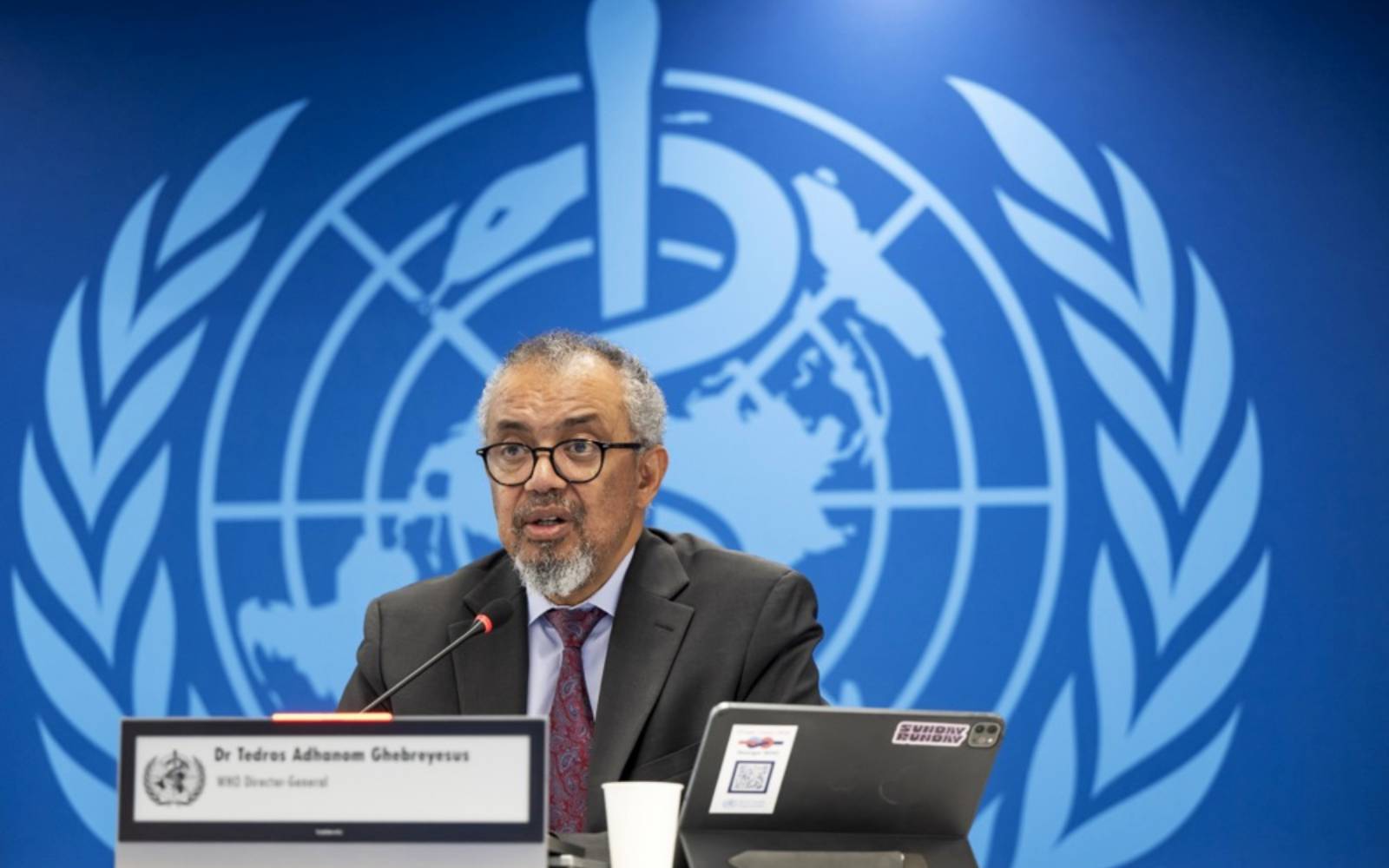
The World Health Organization's (WHO) chief, Tedros Adhanom Ghebreyesus, has called for a significant increase in funding to boost the Ebola response in the Democratic Republic of Congo (DRC). The disease outbreak, which is caused by the Bundibugyo strain of the virus, has now become the deadliest in the country's history, surpassing the 2018-2020 epidemic in terms of death toll.
As of Wednesday, the death count in DRC had exceeded 3,000, making it the second-most lethal Ebola outbreak globally, just behind the 2014-2016 West African epidemic.
Tedros emphasized the need to scale up the response efforts to track and break the chains of transmission, as the epidemic continues to pose a threat not only to DRC but also to its neighboring countries and the broader region. Despite ongoing efforts, there are still unknown chains of transmission, which have led to deaths among individuals not included in the known contacts list. These unreported cases indicate that the transmission risks persist, and the epidemic is far from being contained.
The WHO's director-general highlighted the lack of proper burial practices as a major factor fueling the transmission of the virus. Many of the deceased were not buried in accordance with recommended safety protocols, which exacerbates the spread of the disease. To address the mounting challenges, Tedros urged the international community to accelerate funding for the Congolese government's Ebola response plan, which has requested US$1.3 billion.
The WHO has already shipped 320 tonnes of supplies and increased testing capacity to 3,000 tests per day. However, to support its response further, the organization needs additional funding to increase bed capacity at Ebola treatment centers. Each 1,500-bed treatment center costs around US$15 million per month. While the WHO has managed to obtain supplies and enhance testing, Tedros stressed that the funding request is made during a period when humanitarian assistance financing has been contracting.
Clinical trials for potential treatments and vaccines are underway. Over 300 Ebola patients have been enrolled in trials for two treatments, and antiviral drug obeldesivir is being tested among high-risk contacts to determine its efficacy in preventing disease after exposure. Two new vaccines against the Bundibugyo virus are in safety trials in Britain and Canada.
However, an approved vaccine against the Zaire Ebola virus, which is not guaranteed to be effective against the Bundibugyo strain, requires clinical efficacy trials.
Tedros assured that, based on previous Ebola outbreaks, the disease can be controlled if the international community chooses to act. He stated that as long as there are chains of transmission yet to be identified and broken, the epidemic will continue to pose a threat.
Written by urgent.news from Free Malaysia Today's reporting — not their text. Machine-written — may contain errors; check the original before relying on it.
Also reported by 1 other outlet
- Ebola response must be scaled up to tackle DRC outbreak, says WHO chief freemalaysiatoday.com