Drones to track traffic movement, spot congestion during BRICS Summit in Delhi
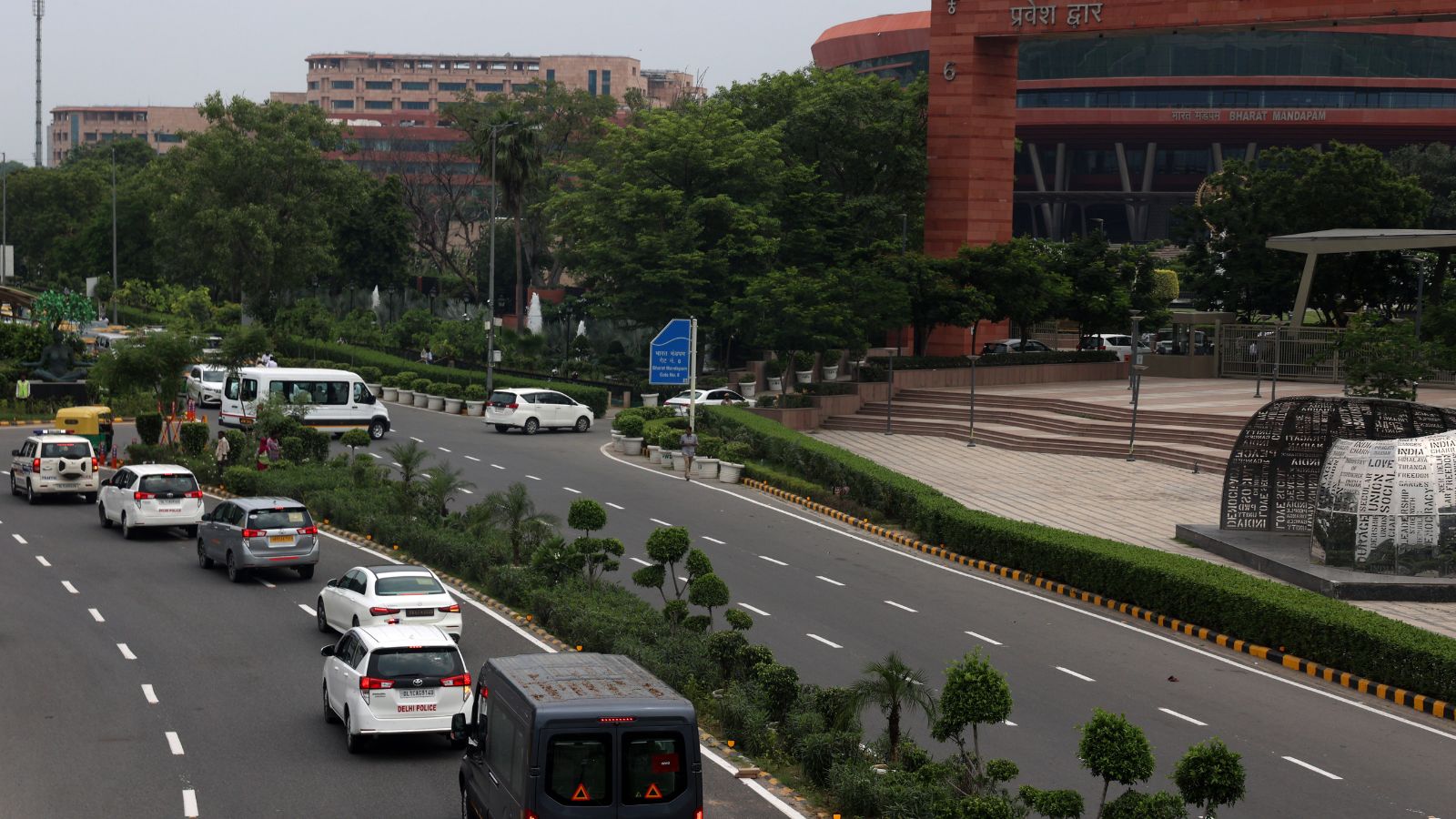
The Delhi Traffic Police is employing drones to monitor traffic flow and identify congestion during preparations for the upcoming BRICS Summit in Delhi, set for September 12 and 13. This marks the first time drones will be utilized for this purpose in the city. Officials also plan to use the aerial technology during processions, protests, and the festive season as part of a broader strategy to manage traffic with advanced technology.
The move follows traffic disruptions during the India AI Impact Summit in February, where congestion on several roads led to complaints from commuters. The drone surveillance aims to provide real-time insights into traffic conditions, allowing officials to pinpoint congestion build-ups and respond promptly. Delhi Police conducted mock traffic rehearsals on September 1 and 2, using drones to assess traffic flow and identify potential bottlenecks at key routes.
Additional Commissioner of Police (Traffic, Zone-I) Vijanta Goyal Arya highlighted the advantages of drone surveillance in monitoring major intersections, arterial roads, and congestion-prone areas. By offering a bird's-eye view of traffic conditions, the drones will aid traffic teams in making timely interventions to ensure smoother vehicular movement.
The aerial monitoring will also enhance traffic management at inter-state border points, where queues can quickly accumulate, and at major transit hubs like ISBTs, New Delhi railway station, and other railway stations, which experience high volumes of vehicular and passenger traffic. Real-time data collected through drone surveillance will enable officials to adjust signal timings, deploy additional traffic personnel where necessary, and plan diversions to alleviate congestion.
In the future, the plan is to expand drone surveillance coverage to major arterial roads, important intersections, and other busy stretches throughout Delhi. These drones will complement existing traffic monitoring tools, such as CCTV cameras and personnel, to provide traffic control rooms with a more comprehensive view of traffic development and spread.
Written by urgent.news from The Indian Express's reporting — not their text. Machine-written — may contain errors; check the original before relying on it.