Crude Oil Prices Supported by Escalation of US-Iran Hostilities
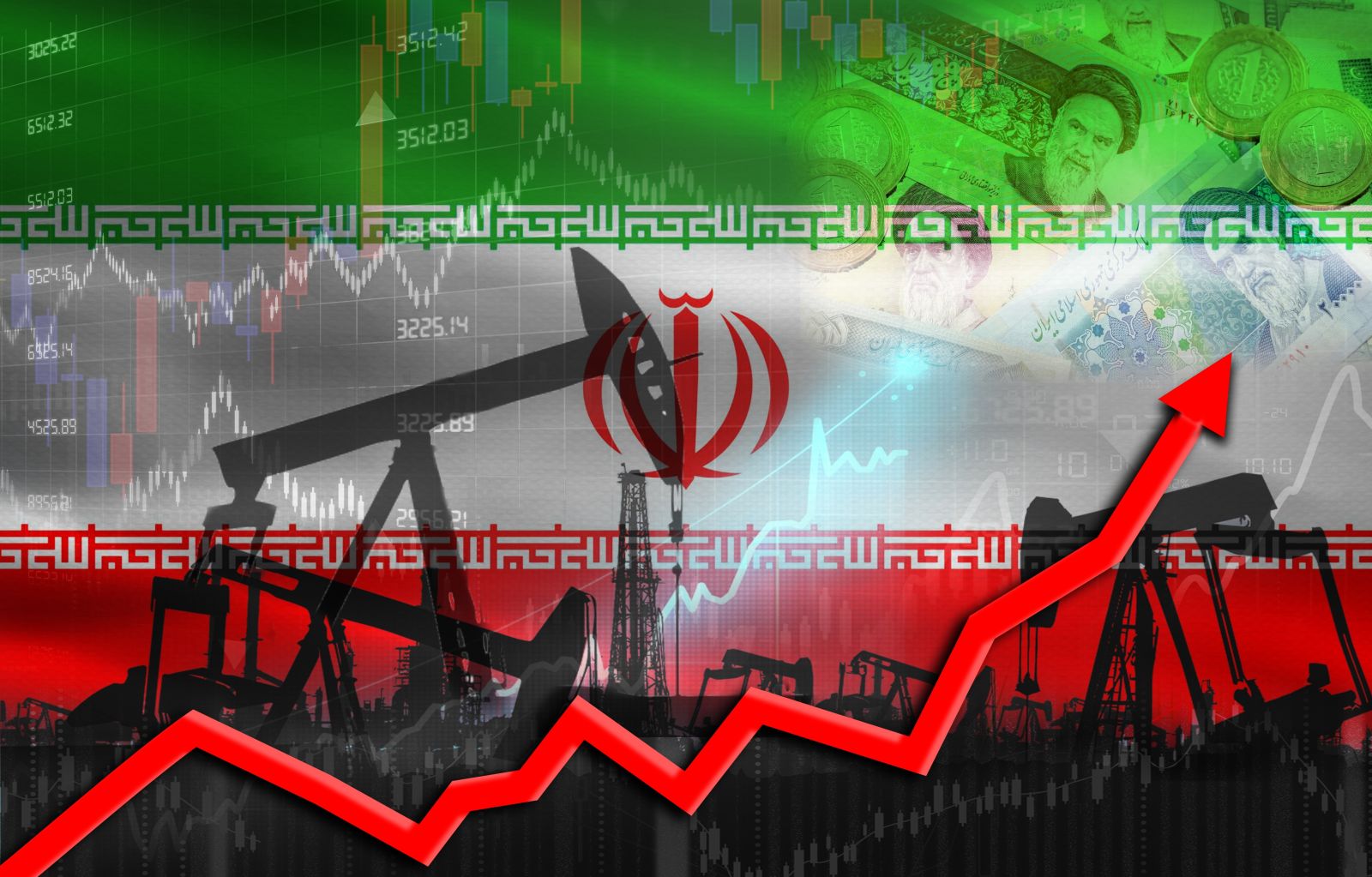
Crude oil prices climbed on Wednesday due to the intensifying conflict between the United States and Iran, heightening worries about potential disruptions in energy transportation through the Strait of Hormuz. This escalation in hostilities led to a fresh 6-week high in crude oil. The price surge was also fueled by a decline in weekly EIA inventories, which indicated lower-than-expected oil stockpiles.
However, the upward momentum was somewhat restrained by indications of substantial crude oil volumes leaving the Strait of Hormuz, thereby alleviating supply worries.
Earlier in the week, the US executed a second series of airstrikes targeting Iranian military installations, including radar systems and mine-laying capabilities located along Iran's southern coastline. In response, Iran retaliated with drone and missile strikes on US bases scattered throughout the Middle East. Despite these strikes, the gains in crude oil prices were capped after US Energy Secretary Wright announced that over 17 million barrels of oil had successfully navigated the Strait of Hormuz on Monday, thereby easing supply concerns.
US President Trump recently emphasized that the US naval blockade imposed on Iranian ports was putting pressure on Iran, and he expressed no definitive timeline for resolving the ongoing US-Iran conflict. Furthermore, the prospects of ending hostilities in the Middle East and quickly reopening the Strait of Hormuz were dimmed by fresh Israeli attacks on Iranian-backed Hezbollah in Lebanon and Iran-backed Hamas in Gaza.
Additionally, the Yemen-based Houthis continued to target ships in the Red Sea, causing several vessels to be hit by projectiles in the Strait of Hormuz.
The International Energy Agency (IEA) forecast in its monthly report, published on August 12, predicted that the global oil supply deficit would worsen as oil demand suffers from the war and high prices. The IEA reported that global oil inventories would decrease in Q3 at twice the previously estimated rate due to persistent disruptions stemming from the US-Iran war.
Crude oil also received support due to concerns about further disruption to Russian crude production following a Bloomberg News report that Russia was preparing to intensify attacks on Ukraine. Ukraine has launched at least 30 drone attacks on Russian oil infrastructure, including refineries, oil tankers, and major pipeline systems, significantly curtailing Russian crude production and exports.
According to EA Analytics, Russian crude-processing rates averaged 3.51 million barrels per day (bpd) in July, the lowest in 24 years, as Russian energy infrastructure sustained damage due to drone and missile attacks from Ukraine. The attacks on Russian oil infrastructure reduced Russia's crude production in July to 8.89 million bpd, the lowest in six years, according to secondary source estimates from OPEC.
On the downside, OPEC delegates approved a final increase of +188,000 bpd in crude production for September during a meeting on August 2. The group has now restored all of the 1.65 million bpd supply cutback implemented in 2023 and plans to maintain output levels for the remainder of the year after the September hike. However, achieving this production increase may prove challenging in light of the renewed US-Iran military attacks in the region.
OPEC+'s crude production rose by +1.16 million bpd to 19.44 million bpd in July. Vortexa reported on Monday that crude oil stored on stationary tankers for at least 7 days increased by 7.1% week-over-week to 107.58 million bbl in the week ended August 28. The weekly EIA report showed that US crude oil inventories were +0.7% above the 5-year seasonal average, while gasoline inventories were -6.1% below the 5-year seasonal average, and distillate inventories were -14.0% below the 5-year seasonal average.
As of August 28, US crude oil production was +0.1% week-over-week at 13.862 million bpd, matching the record high initially set in November 2025.
Written by urgent.news from Yahoo Finance's reporting — not their text. Machine-written — may contain errors; check the original before relying on it.