Colombia Faces Water Shortages as El Niño Forces Rationing
Colombia is confronting rising water shortages as the El Niño weather phenomenon (a periodic warming of Pacific Ocean waters that reduces rainfall and raises temperatures across the region) drives up demand while shrinking the rivers and reservoirs that supply entire communities. High temperatures and scarce rainfall have already pushed several Colombian regions toward rationing measures, […]
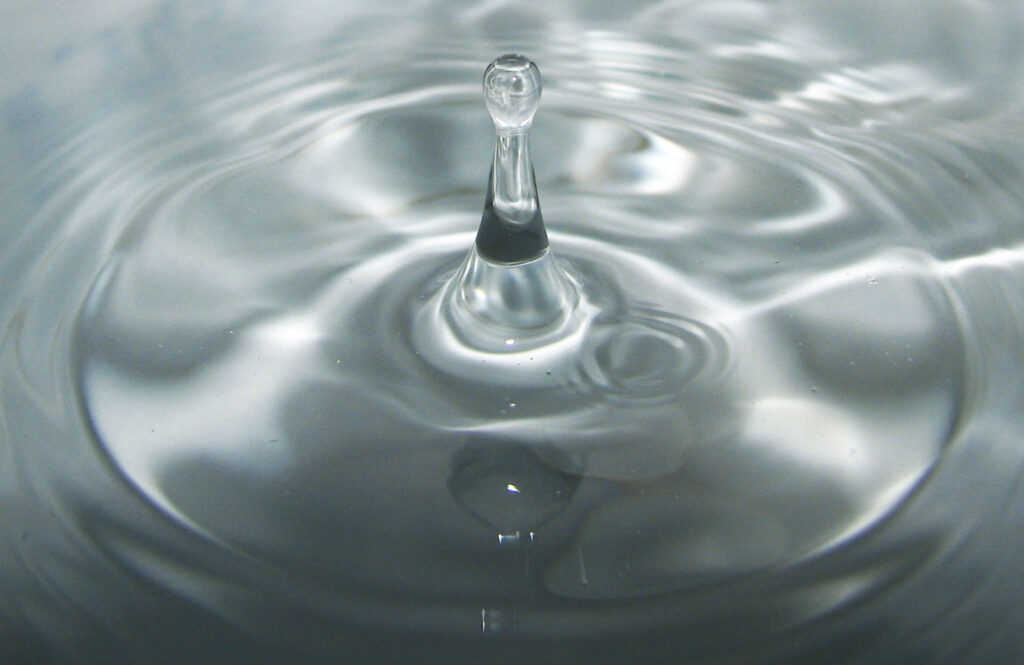
Across Colombia, water shortages are intensifying as the El Niño weather pattern reduces rainfall and raises temperatures, putting pressure on the nation's limited water resources. El Niño-driven demand and declining river and reservoir levels have led several regions to implement water rationing measures, forcing residents to seek alternative means to secure daily water supplies.
Authorities have called on households nationwide to adopt more responsible water consumption habits, emphasizing that small behavioral changes can significantly reduce the strain on a stressed water supply system. On average, each person uses between 76 and 78 liters of water daily, with many water uses occurring in routine activities that most people do not consider adjusting, such as dishwashing, showering, and running a washing machine.
This crisis functions more as an immediate, practical problem that individual households can influence through their daily choices. The worst-hit areas include La Guajira, where residents report difficulty accessing water and have resorted to wells and water trucks known as carrotanques. Bolivar faces a broader crisis, with 42 out of its 46 municipalities reporting water shortages.
Santander and Los Santos also struggle, with 11 of Santander's municipalities under water rationing and 80% of Los Santos' population relying on water trucks. In Cundinamarca, Facatativa has begun rationing service by sector due to critically low water levels, while Medellin implemented planned water cutoffs as part of its strategy to manage El Niño's effects.
Simple actions like adjusting tap water flow, shortening shower times, and running full loads in washing machines can collectively save up to 5% of household water use. These simple strategies can be implemented by adjusting tap water flow, shortening shower times, and running full loads in washing machines, potentially saving 5% of water per household.
Written by urgent.news from Colombia One's reporting — not their text. Machine-written — may contain errors; check the original before relying on it.