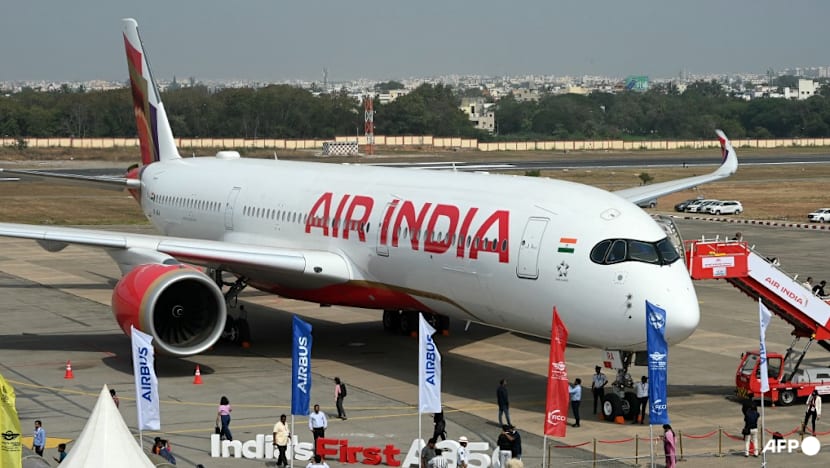
CNA Explains: Why is SIA staying invested in loss-making Air India, and can its long-term bet pay off?
Air India is seeking fresh capital as it undergoes a costly transformation. What does SIA stand to gain from India’s aviation market, and what will it take for Air India to deliver sustainable returns?
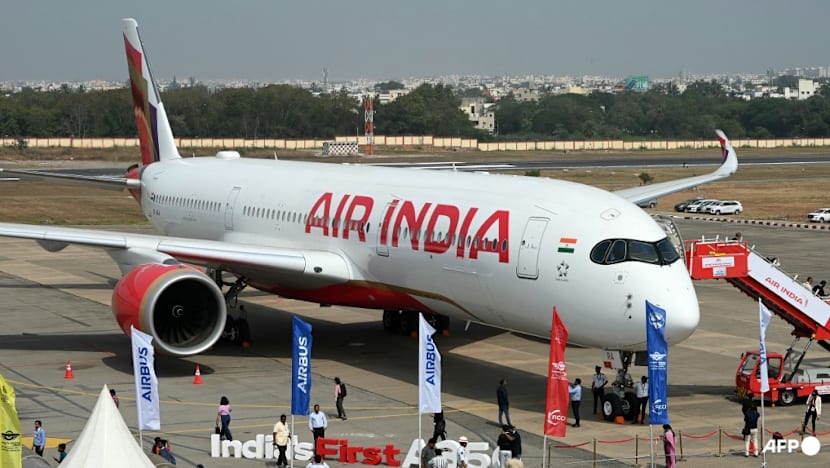
Singapore Airlines (SIA) maintains a 25.1% stake in struggling Indian carrier Air India despite the airline's ongoing losses, seeing the long-term potential in India's aviation market. India is a rapidly growing aviation market with annual passenger traffic growth of 10-12% over the past decade, with projections suggesting it could reach nearly 1.1 billion passengers by 2040.
Air India's extensive domestic network and access to airport slots give SIA valuable assets that would be challenging for a new entrant to replicate. SIA CEO Goh Choon Phong acknowledged that the path to success is long, but remains committed to the investment.
SIA's investment in Air India is driven by the size and potential of India's aviation market, which is a key component of SIA's "multi-hub strategy." The airline sees opportunities to expand its presence in Delhi and Mumbai, which could become stronger international connecting hubs. Dr Rohit Kumar Rawat, an assistant professor at Rajiv Gandhi National Aviation University, explains that SIA is investing in the future economics of the Indian aviation market, rather than the current financial performance of Air India.
While Air India's current losses do not necessarily mean the investment has failed, SIA must consider how much additional capital it is prepared to provide. An SIA spokesperson stated that the board will carefully consider any requests for further funding, taking into account the company's other capital requirements and Air India's business strategy. The critical question is whether the value of the airline after its transformation can outweigh the money and time needed for the transformation.
Air India's transformation is a capital-intensive process, and some losses are expected during this phase. SIA understands that Air India needs to reach a sustainable competitive advantage and long-term profitability. Tata Sons has estimated that the transformation could take up to a decade, which means SIA may need to sustain its investment for years before seeing returns.
Former chairman Harsh Vardhan acknowledged that creating a new airline with Air India's market base would require a significant investment, but stressed that SIA must determine how long it will continue to support Air India and when it can expect the airline to generate profits.
Written by urgent.news from Channel News Asia's reporting — not their text. Machine-written — may contain errors; check the original before relying on it.
This story
This is one outlet's version. Read the fullest account.