China builds ‘soft power’ with Egypt as Jinping cultivates relationships with Middle East allies
The Chinese president arrived in Egypt to present as a stabilizer in the region—and contrast itself with the United States.
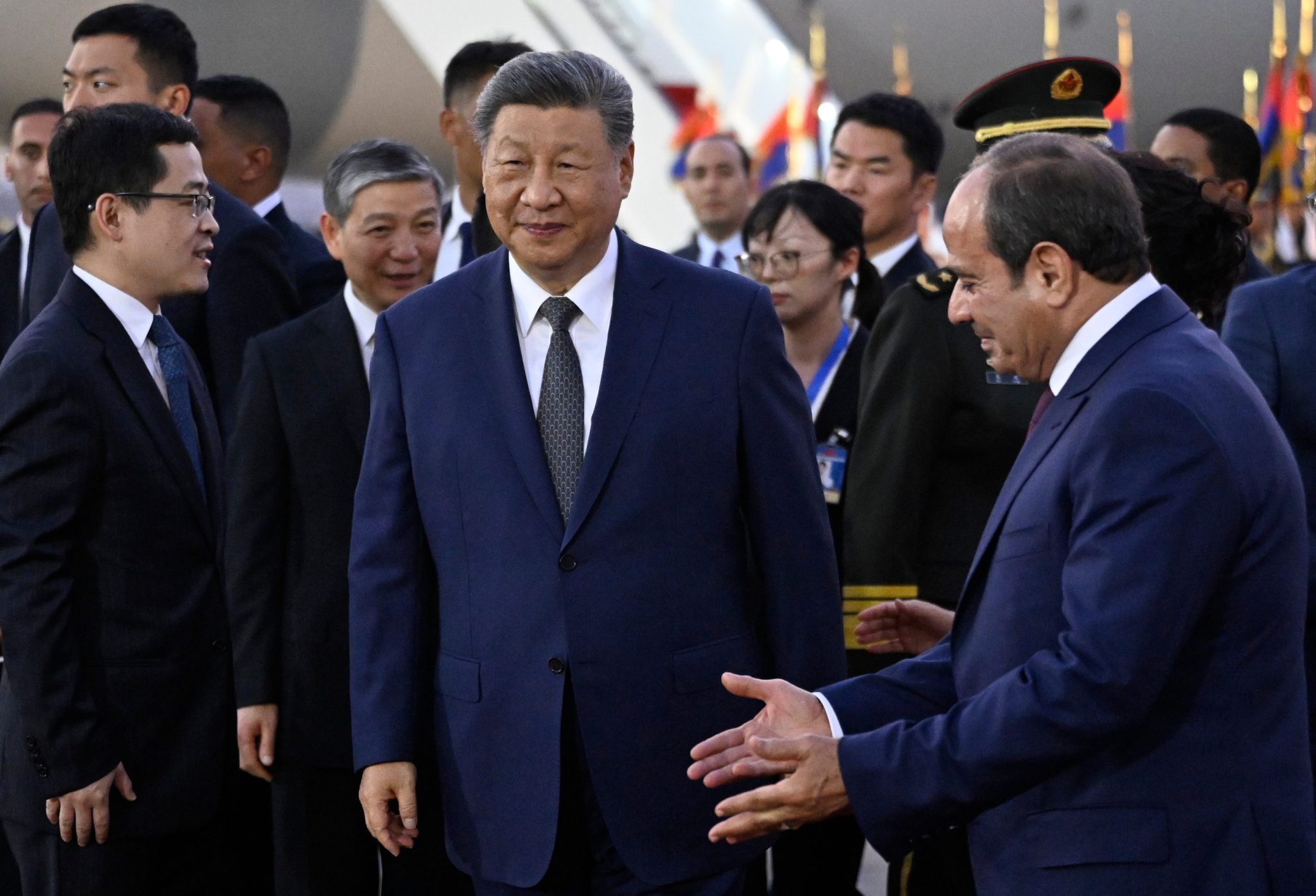
Chinese President Xi Jinping embarked on a visit to Egypt this week, aiming to bolster economic and diplomatic ties between the two nations. However, beneath the surface, the meeting signifies China's strategic efforts to expand its influence in the Middle East, positioning itself as a stabilizer in the region and contrasting with the United States, which has been militarily involved there for years.
Xi arrived in Cairo, greeted by a red-carpet ceremony and patriotic displays. During their extensive talks, Xi emphasized the importance of jointly opposing unilateralism and acts of bullying, as well as the need for a more equitable global governance system. The Chinese leader's visit comes after a decade since his last trip to the region, and he is the first to do so since visiting Saudi Arabia in 2022.
This trip marks a significant move in China's attempt to build "soft power" in the Middle East, as it seeks to diversify its strategic partnerships and counterbalance the United States' presence in the area. Egypt has already benefited from China's investments, with the country receiving over $10 billion in Chinese-funded projects, including a business hub and an electric rail line.
The Suez Canal, controlled by Egypt, has become a crucial alternative route for oil shipments due to disruptions in the Strait of Hormuz caused by the Iran war. China's growing relationship with Egypt, valued at around $20 billion in annual trade, demonstrates its interest in securing this vital energy supply route.
Xi's visit to Cairo coincides with his attendance at the Shanghai Cooperation Organization conference in Kyrgyzstan, where leaders from Russia, India, Pakistan, and Iran also participated. The trip highlights China's strategic interests in the region and its efforts to establish itself as a key player in Mideast geopolitics.
Written by urgent.news from Fortune's reporting — not their text. Machine-written — may contain errors; check the original before relying on it.