Bundesregierung: Kabinett bringt Steuerreform auf den Weg
Union und SPD wollen angesichts vieler Preissprünge Erleichterungen für Millionen Haushalte schaffen - bei der Einkommensteuer. Das Paket startet nun in die konkrete Gesetzgebung. Kann es wirken?
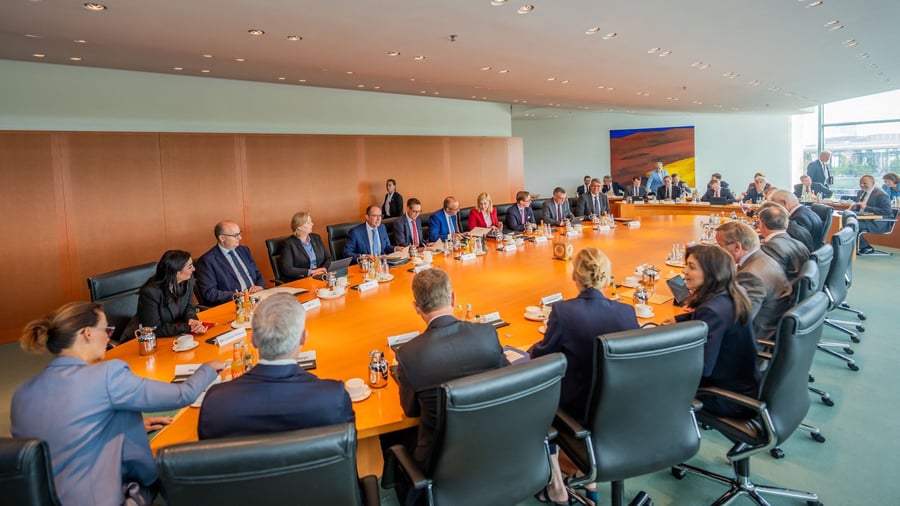
After extensive negotiations, the draft of the income tax reform from Finance Minister Lars Klingbeil (SPD) arrived in the cabinet today. The red-green coalition aims to signal a relief measure amid widespread concerns, not only about high fuel and energy prices but also for the economy. Starting from early 2027, the reform primarily benefits millions of households with modest and middle incomes as well as families with children.
In return, more money is expected to flow in from very high incomes. The economy warns that the reform will not bring enough growth impetus. The reform is expected to bring annual relief of roughly ten billion euros. Both the Union and SPD coalition agreed on this in the coalition committee at the beginning of July. Klingbeil now implements the parliamentary bill "one-to-one," as his ministry describes it.
The full relief volume is to be achieved in two stages in 2028. Finance Minister Klingbeil himself will miss the cabinet meeting today: he is in the United States attending the G20 Finance Ministers meeting in North Carolina. He was unable to return to Germany on Tuesday due to a technical problem with his government plane. The vice chancellor had to spend the night in a hotel.
What will the reform change? Here is an overview of the key elements of the reform that will now move to the Bundestag and Bundesrat. Generally, tax payments are not directly calculated based on gross salary but on the "taxable income" after deductions for various allowances and expense categories. Basic Exemption The portion of the income tax that remains tax-free to secure an existence minimum is to be gradually expanded: from €12,348 this year to €12,564 next year and then to €12,900 in 2028.
Top Tax Rate The top income tax rate of 42 percent is to take effect somewhat later for incomes above the basic exemption - starting from €70,600 instead of €69,879. This will make the increase in the tax rate for the income bracket between €17,800 and €70,600 slightly less steep, according to the ministry. This will benefit middle incomes the most.
Wealth Tax The "Wealth Tax" will be split. The tax rate of 45 percent will apply for taxable income above €250,000 starting in the future, instead of the current threshold of €277,826. Additionally, a new "Superwealth Tax" of 47 percent will apply for income above €280,000. Employee Allowance The employee allowance for claiming expenses related to employment, such as travel costs or office supplies, will be increased from €1,230 to €1,430.
Children The child benefit of €259 per child per month will increase to €267 in the coming year, and then to €272 in 2028. The child exemption will increase from €9,756 to €10,056 and then to €10,236. Sunday Pay The maximum hourly rate for non-taxable overtime pay for Sunday and holiday work will be increased from €50 to €75. Employees will be able to retain more of their overtime pay.
Manual Work The possibility of deducting manual work from taxes for craftsmen will be somewhat reduced. What will the reform change? In summary, the vast majority of taxpayers will have more net income from their gross earnings, according to the Finance Ministry. For example, a couple consisting of a care worker and a bus driver with €2,800 gross per month and two children can expect a relief of €632 per year in 2028.
A single person like an engineer or technician earning €5,000 gross can expect an annual relief of around €192 in 2028 compared to this year.
Written by urgent.news from Handelsblatt's reporting — not their text. Machine-written — may contain errors; check the original before relying on it.
This story
This is one outlet's version. Read the fullest account.
- Tax reform: Tax reform in the Cabinet - What is supposed to change? handelsblatt.com